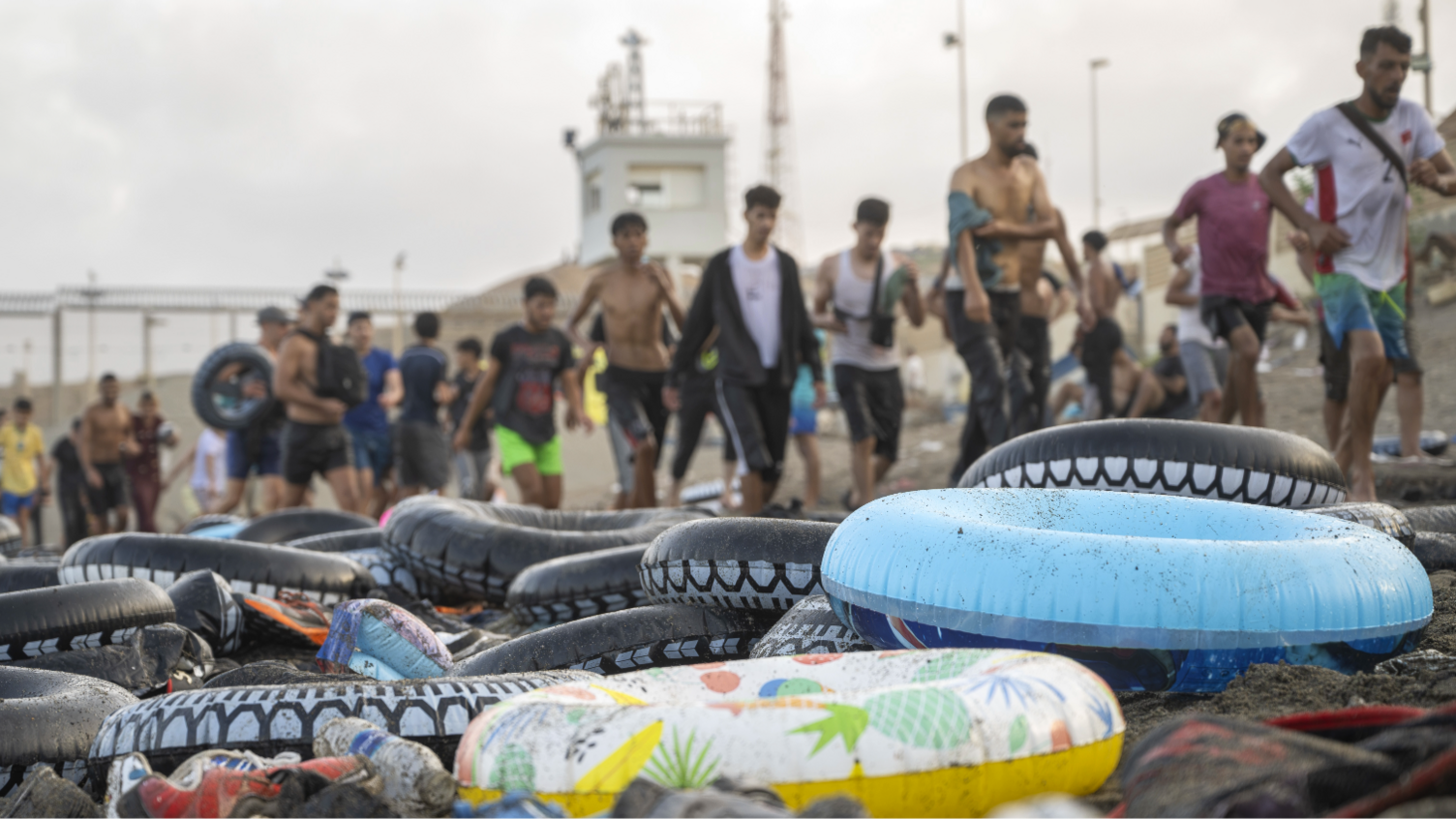
During Morocco’s parliamentary elections, a tidal wave of political narratives unfurls: a record‑breaking migration to the Spanish enclave of Ceuta, youth protests demanding employment, a football legend’s bang‑on campaign and a sharp anti‑Israel rhetoric that threatens to alter diplomatic ties.
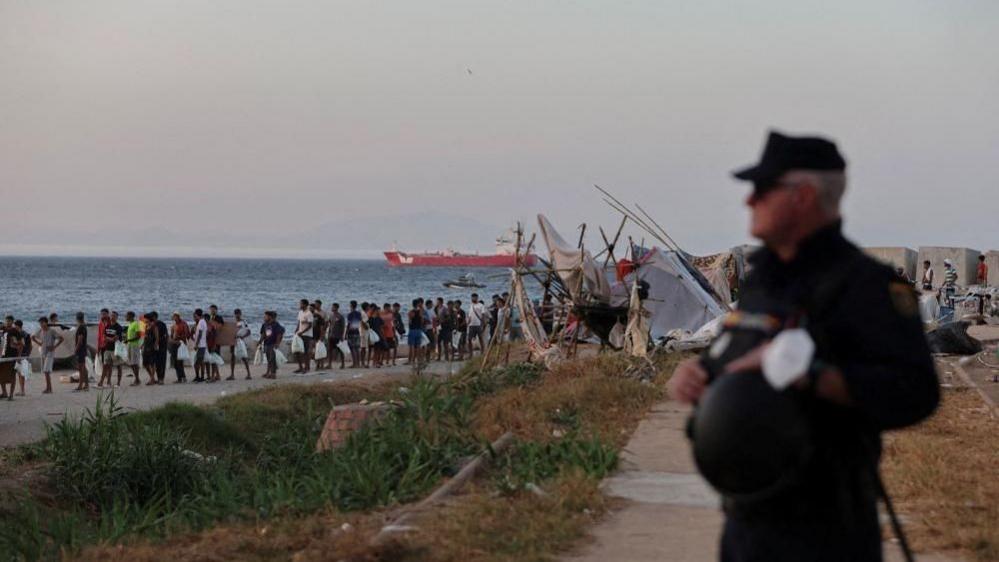
Over 60,000 Moroccans braved the sea to reach Spanish Ceuta in late July, bringing attention to persistent unemployment. The Moroccan government guarantees the user can vote in the 2026 elections with just 4 % of 15.8 million registered voters being aged 18‑24.
Persona‑Ricardo, a 29‑year‑old environmental activist, says “I have no hope for this election. I'm ashamed of our political scene. It’s a complete circus.” She echoes the frustration that many see politics as disconnected from everyday struggles, especially in the face of rising youth unemployment at 37.3% according to the IMF.
Football’s influence is strong: The Royal Moroccan Football Federation president, Fouzi Lekjaa, who also serves in the finance ministry, joined the centrist Party of Authenticity and Modernity on a campaign that echoes the stadium chant “Sir” while promising to carry Morocco sixth in education and health by 2031. Videos of Lekjaa’s rallies have gone viral, turning a sports star into a political heavyweight.
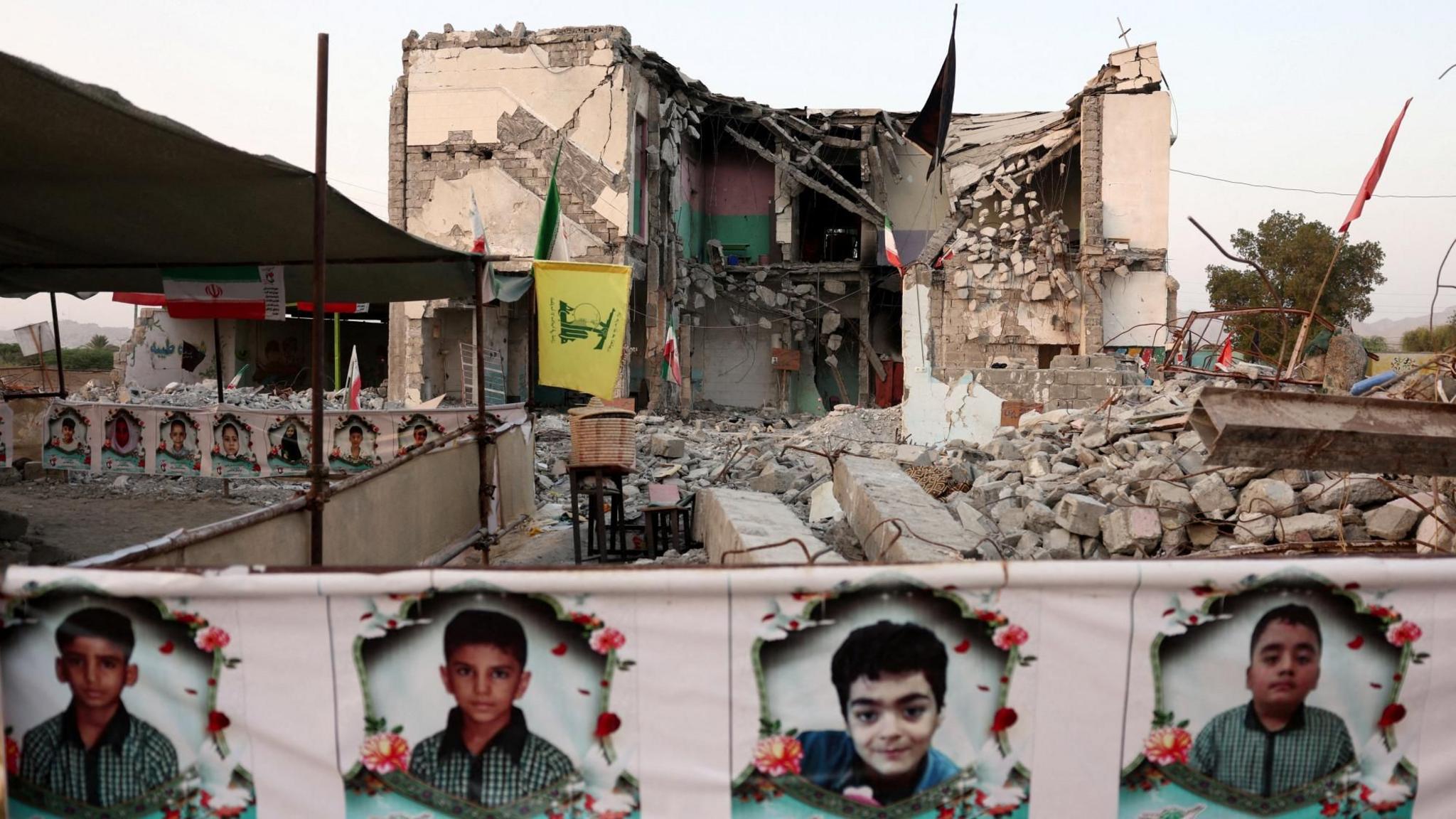
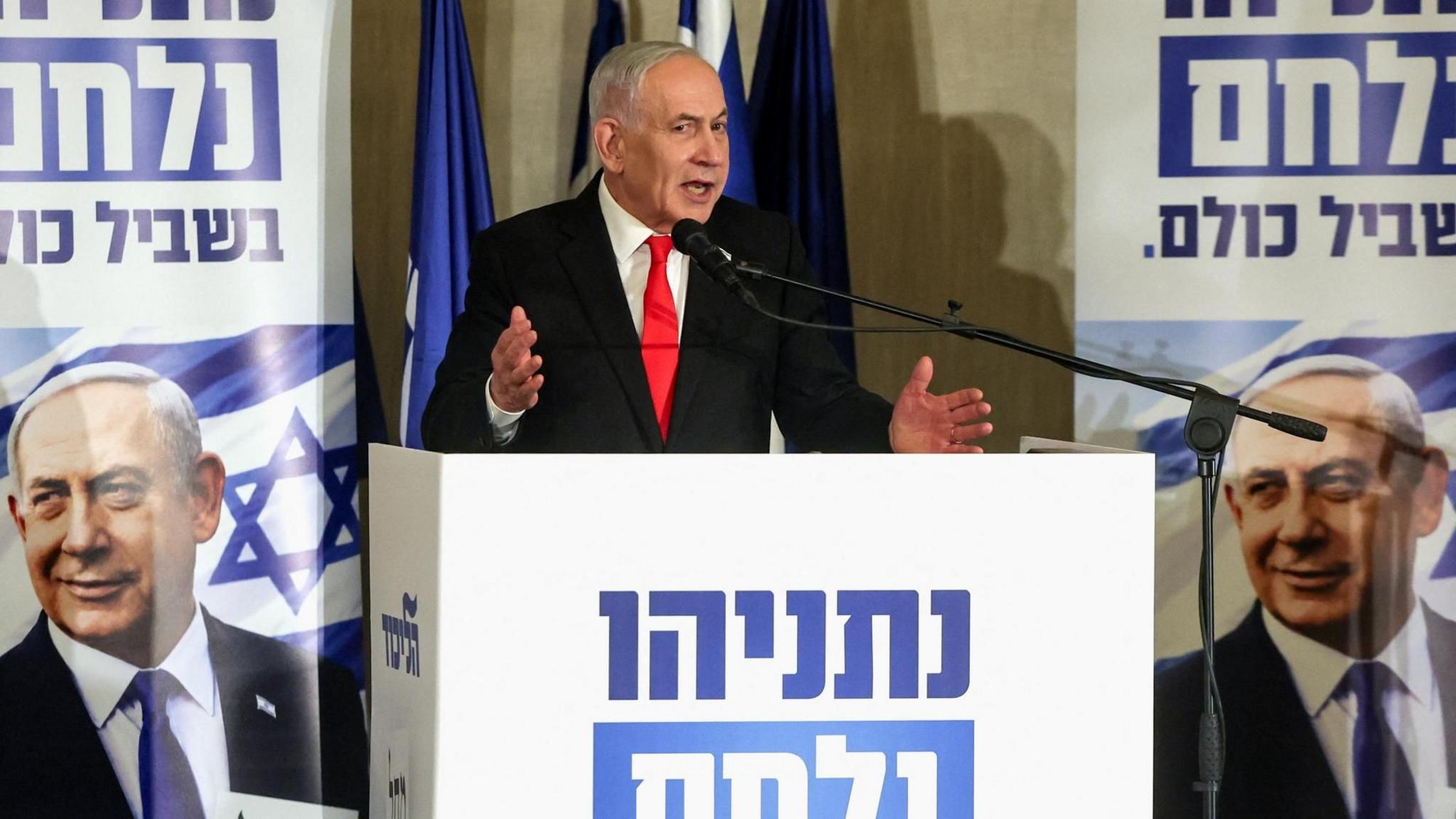
Pro‑Israel politics creates another wedge. The Justice and Development Party, led by former prime minister Abdelilah Benkirane, warns that Morocco’s normalisation with Israel was a mistake and pledges to sever ties. Yet, after the Gaza war, diplomatic ties were re‑opened and full embassies were announced, signalling government uncertainty as King Mohammed VI governs through a close‑tied Council of Ministers.
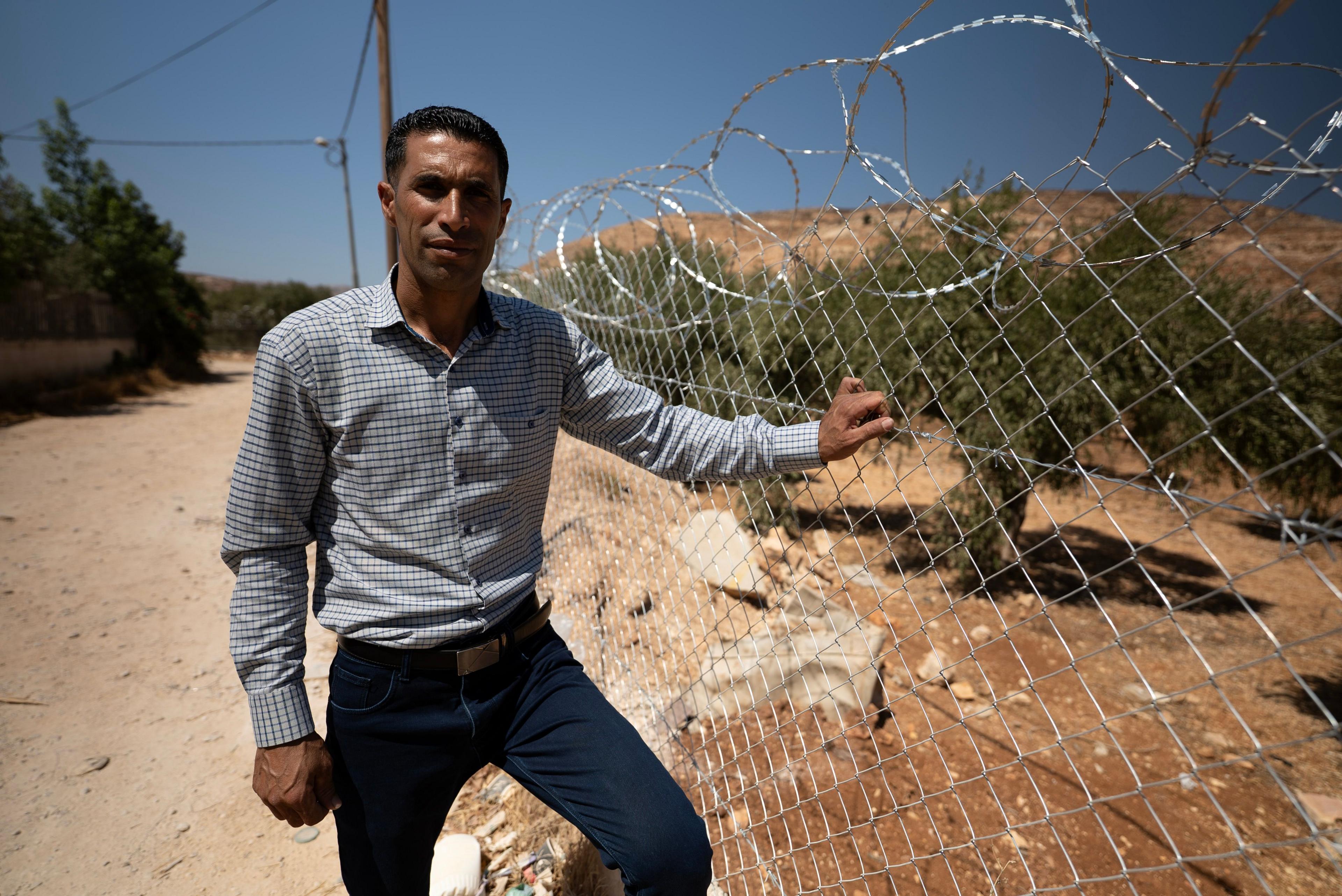
The unfinished youth debate is alive: Gen‑Z protests over living costs, unemployment and healthcare have sparked a new generation of political aspirants, like Hamza El Kharroubi, who ran for parliament with the Environment and Sustainable Development Party. He stresses the need for justice for families lost in the Ceuta crossing and better youth representation in the next government.
Key Takeaway: The election will decide not only the composition of the government but also how Morocco handles migration, youth unemployment, football popularity and contentious foreign relations.