Spain’s Housing Crisis: Protesters Pin Blame on ‘Vulture’ Funds
In the heart of Madrid’s iconic Puerta del Sol, a tent city has sprung up as a living protest against soaring rents. Young university graduate Pierina Nicuray and film‑dubbing student Jorge Moreno have been camped out for weeks, holding signs that read “a lack of homes” and “vulture funds hike up rents.”
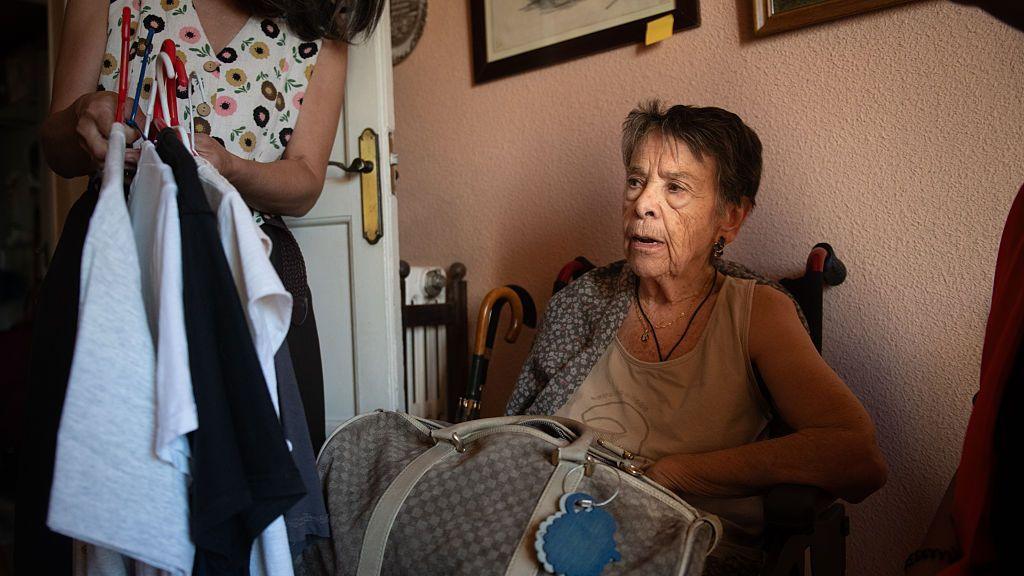
They argue that investment firms buy empty houses, hoard them, raise prices, and then use short‑term rentals such as Airbnb to squeeze out ordinary Spaniards. “An abusive business that stops Spaniards from living in decent homes,” Moreno says, citing how a 87‑year‑old tenant was evicted after her new owners demanded a sharp rent increase.
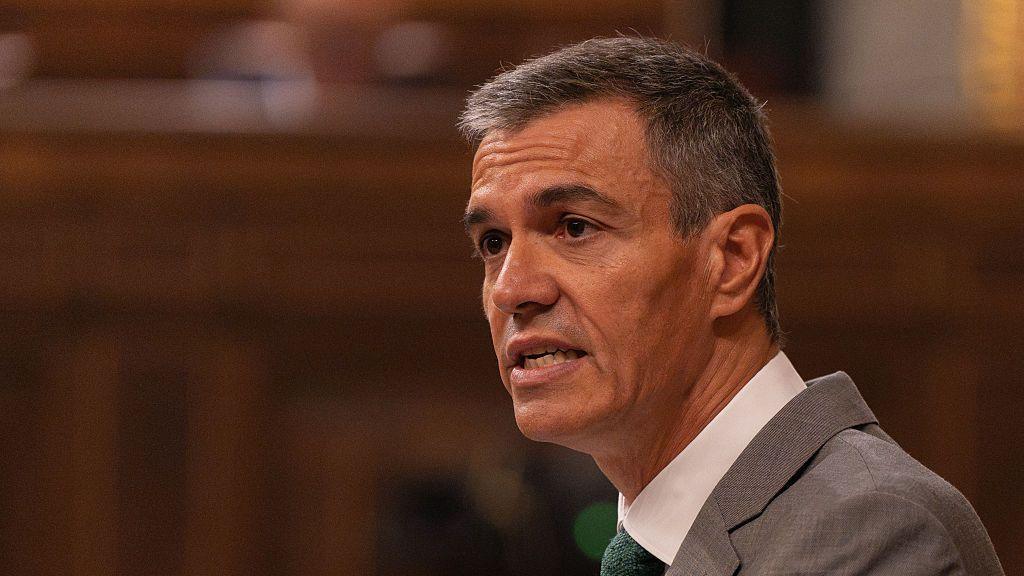
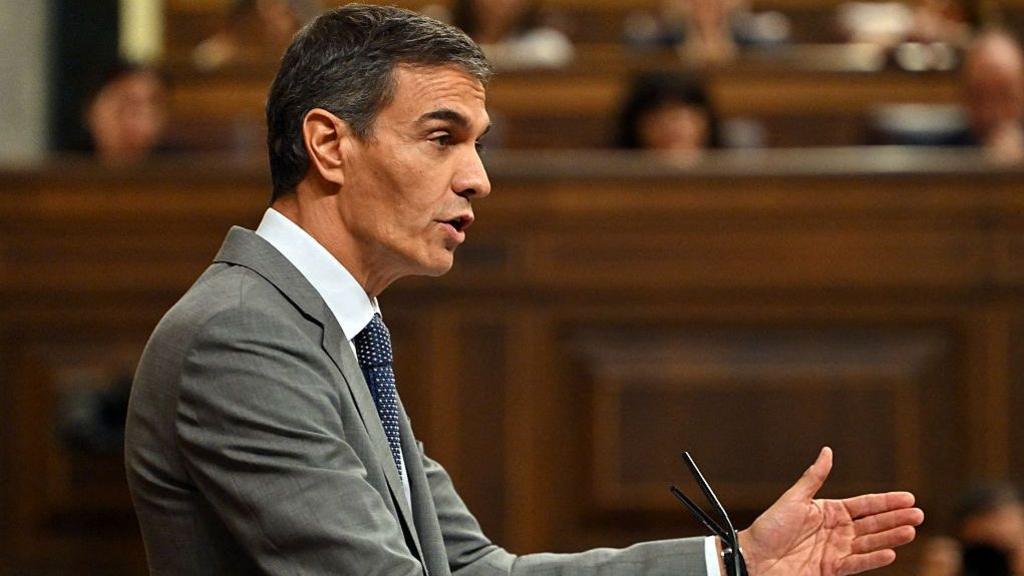
The narrative has resonated beyond the protestors. Prime Minister Pedro Sánchez has pledged to legislate “against those who consider housing just another speculative object.” Yet his reform package was rejected by Congress, a blow that turned Spain’s housing debate into a national crisis and sparked a snap election.
Construction data, however, tells a different story. Economic policy director Jorge Galindo notes that only 8 % of rental properties are owned by companies, and that the Bank of Spain estimates a shortfall of 750,000 homes—mainly in urban hubs. Between 2021 and 2025, new households surged by 1.2 million, driven largely by migrant arrivals, but homes built in that period stayed below half a million.
Experts point to a supply‑demand imbalance, construction slowdown, rising material costs, and legal gridlock as root causes of the rising rents. On the other hand, 76 % of Spanish respondents want limits on short‑term tourism accommodation, and 40 % back the expropriation of empty houses.
Meanwhile, workers struggle to make ends meet: a study by El País finds that real‑term spending power has fallen 5 % over a decade, with an average Madrid salary of €1,550. In town, elderly taxi driver Francisco Pardo says he sees few workers earning more than €2,000 a month and laments that “no worker should spend 75% of their salary on rent.”
The death of Maricarmen Abascal after her eviction has amplified the call for change, stirring protests across the country. The central question remains: will Spain find a compromise that curbs speculative profit without stalling the much‑needed build‑out or tightening the already fragile economic fabric?