Canada Halts Expansion of Assisted Dying for Mental Illness
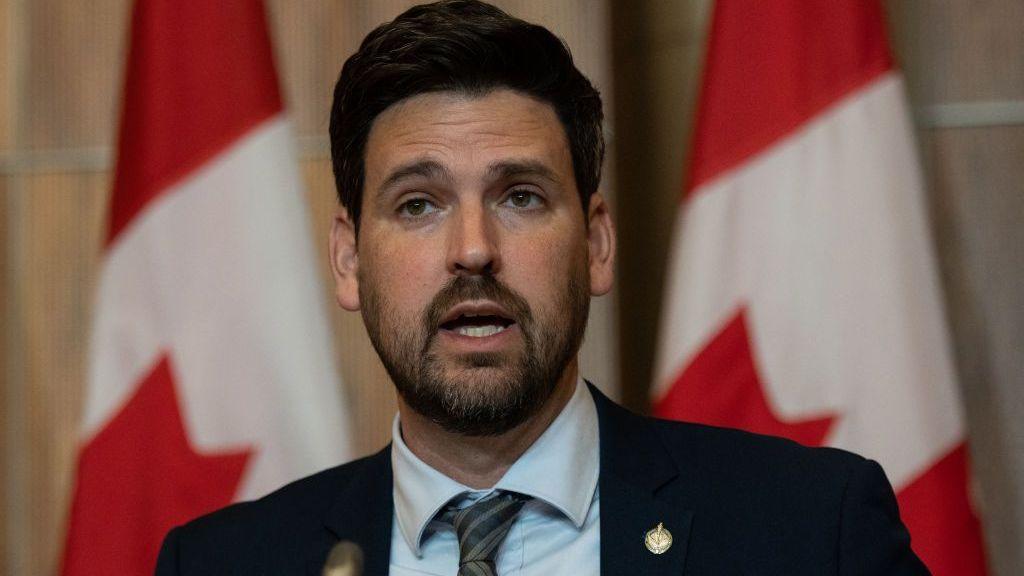
On 7 October, Justice Minister Sean Fraser announced that the federal government will indefinitely suspend moves to broaden Canada’s medically assisted dying (MAiD) law to allow people whose sole condition is mental illness to access the service. The decision follows a February parliamentary review that recommended a permanent exclusion of that group.
The review, carried out by a bipartisan committee, found that the medical community lacks consensus on when a mental illness is both irreversible and sufficiently intolerable to justify assisted dying. It also highlighted a pressing need for better mental‑health services across the country.
Critics, including the advocacy group Dying with Dignity, called the suspension “profoundly disappointing.” Helen Long, the group’s CEO, said that people with severe and persistent mental illness experience the same level of suffering as those with physical illnesses and should have equal rights to MAiD.
The federal government’s announcement means that individuals with a sole mental‑illness diagnosis will not be able to obtain assisted dying before March 2027 as previously scheduled. Instead, the government plans to introduce legislation that will keep the expansion indefinitely on hold, while also setting up a framework for advanced consent for patients with progressive incurable conditions. This new approach would require approval from individual provinces before patients can request assisted dying.
Justice Minister Fraser acknowledged that a Supreme Court decision could eventually determine the issue. He added that “these are not easy decisions but we believe they will be the correct ones.”
Assisted dying has been legal in Canada since 2016 for those with terminal illnesses. An amendment in 2021 broadened the law to include patients with incurable conditions that are not immediately life‑threatening. The 2023 plan to extend the law to mental illness was postponed twice to allow for further study.
The broader debate over MAiD in Canada touches on ethical, legal and societal questions. While opinion polls suggest that most Canadians support assisted dying in general, support drops when asked about individuals with mental illness alone. The current decision leaves the issue unresolved for the foreseeable future, with the hope that additional research and clearer medical guidelines could eventually pave the way for a new policy.
For those affected by the topics discussed, Canada offers a Suicide Crisis Helpline that can be reached by dialing 988 (24 hours). Further information can be found in the “public information” resources linked in the BBC Action Line for mental health‑related concerns.