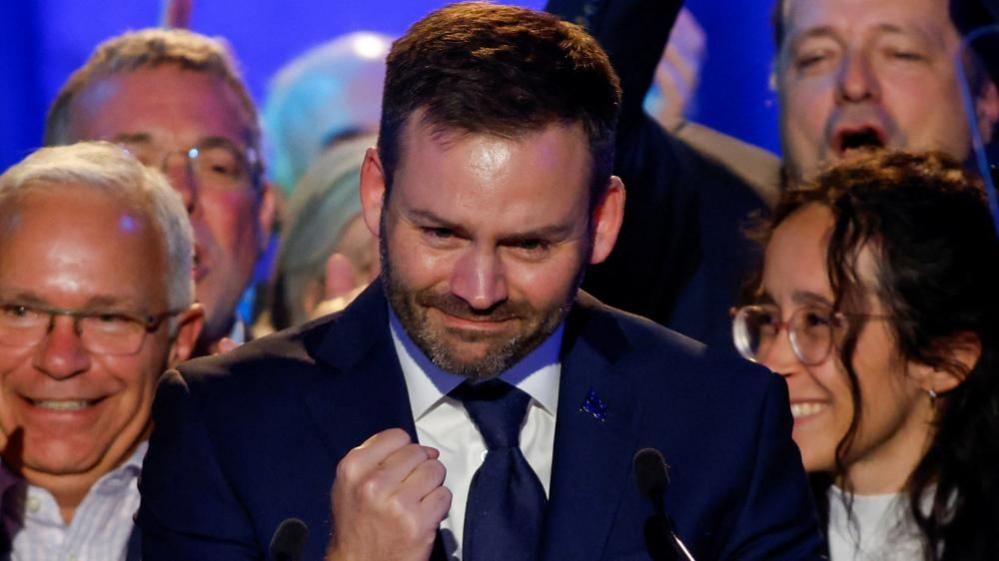
Parti Quebecois Clinches Minority Victory, Eyes Independence Vote
A decisive turn in Quebec’s political landscape came yesterday when the separatist Parti Quebecois (PQ) was projected to win a minority in the province’s 125‑seat legislature. Premier Paul St‑Pierre Plamondon is set to become Quebec’s new leader, after the former governing Coalition Avenir Québec (CAQ) collapsed to zero seats.
The PQ now holds fewer than the 64 seats needed for a majority but has secured enough support that it can govern with the cooperation of other parties. In his election‑day speech, St‑Pierre Plamondon pledged to remain “the premier of everyone in Quebec” while also reaffirming the party’s core objective: a public vote on secession from Canada.
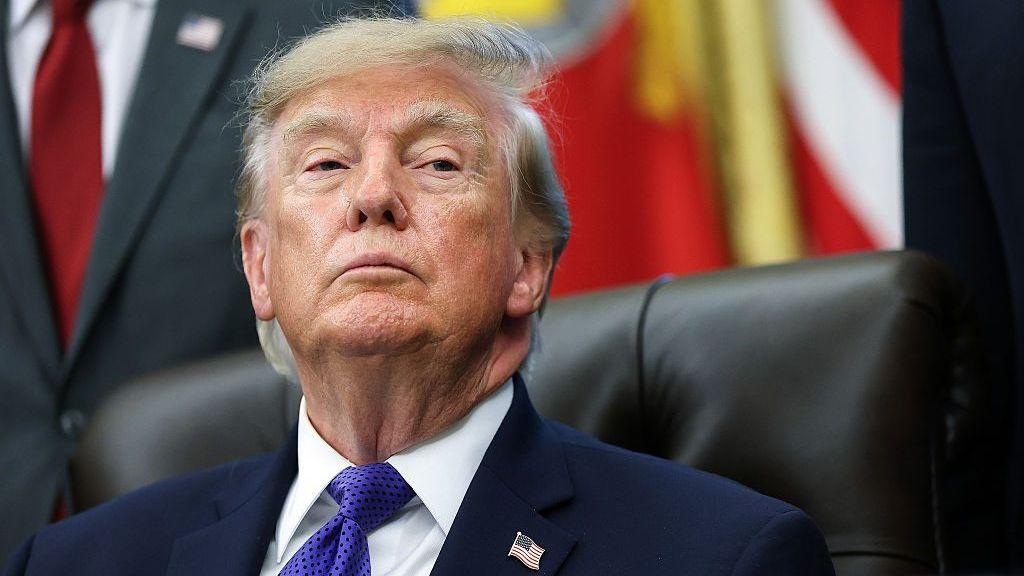
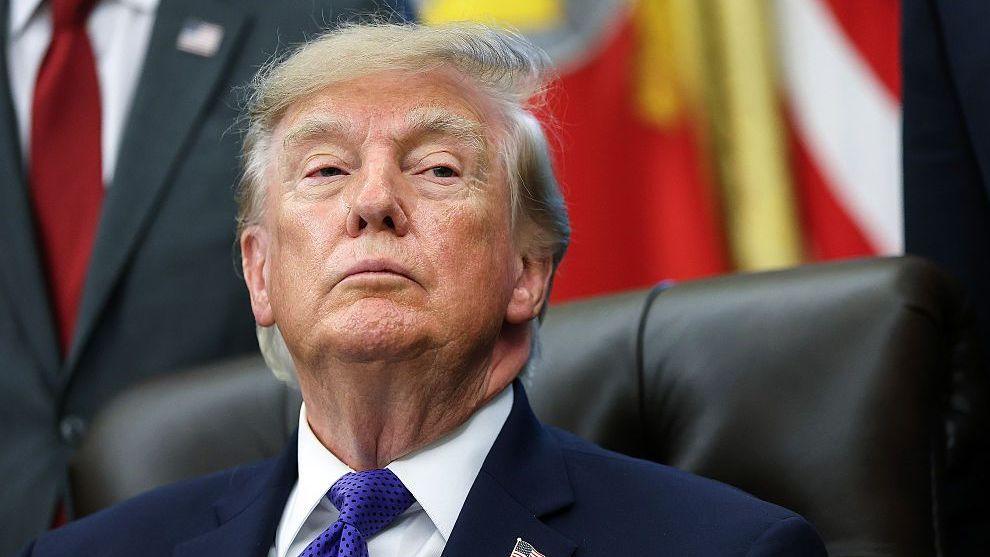
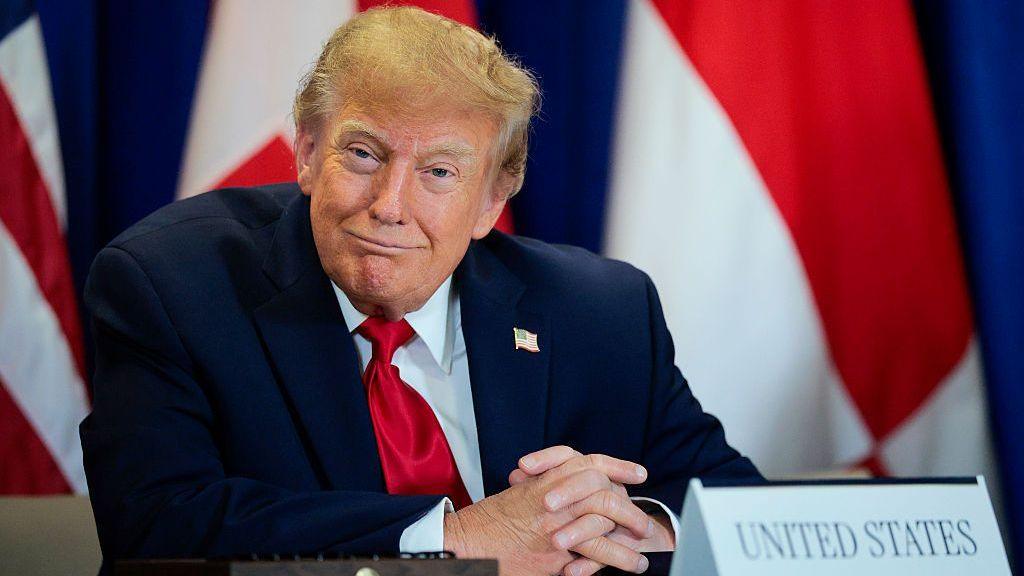
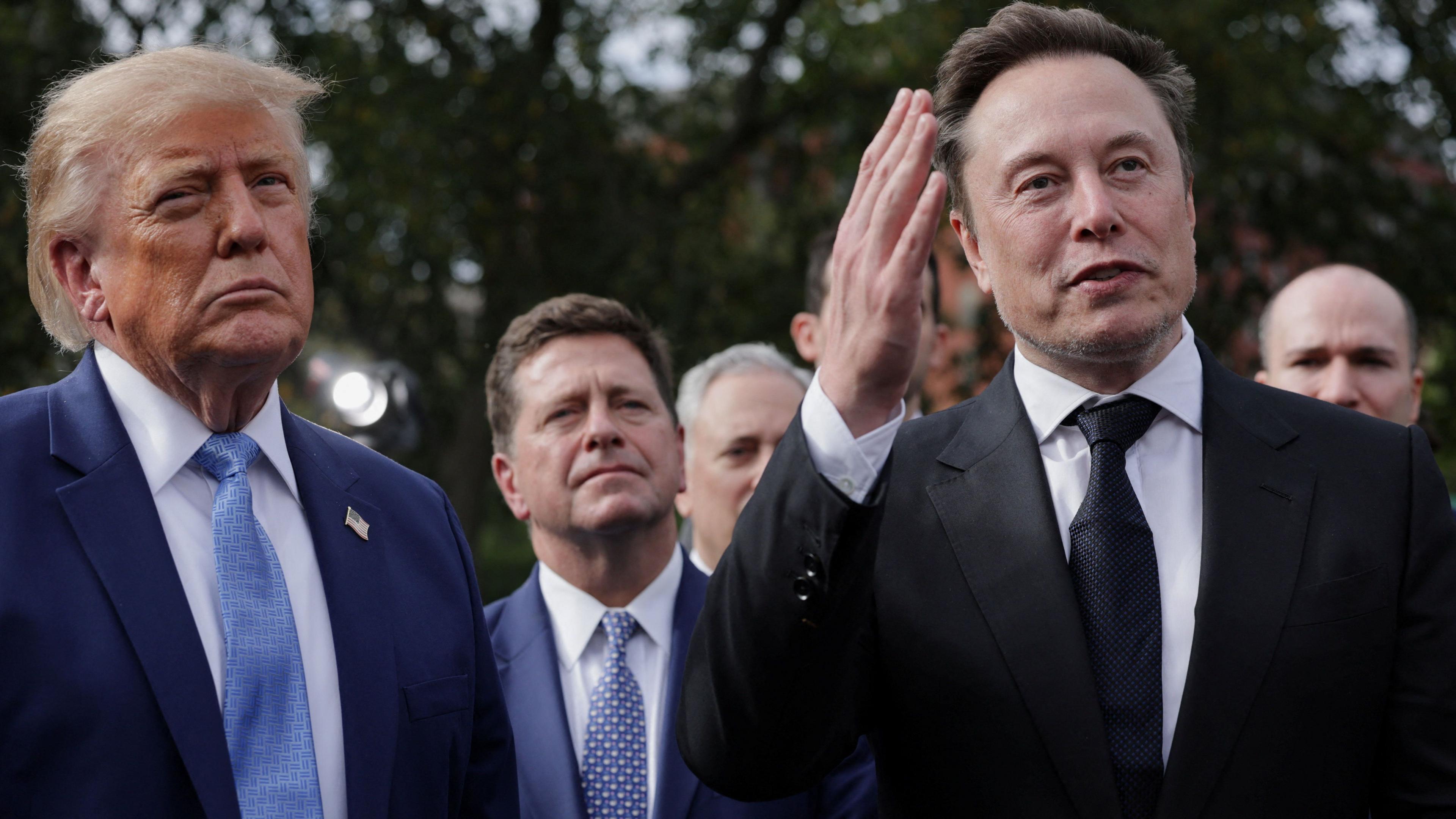
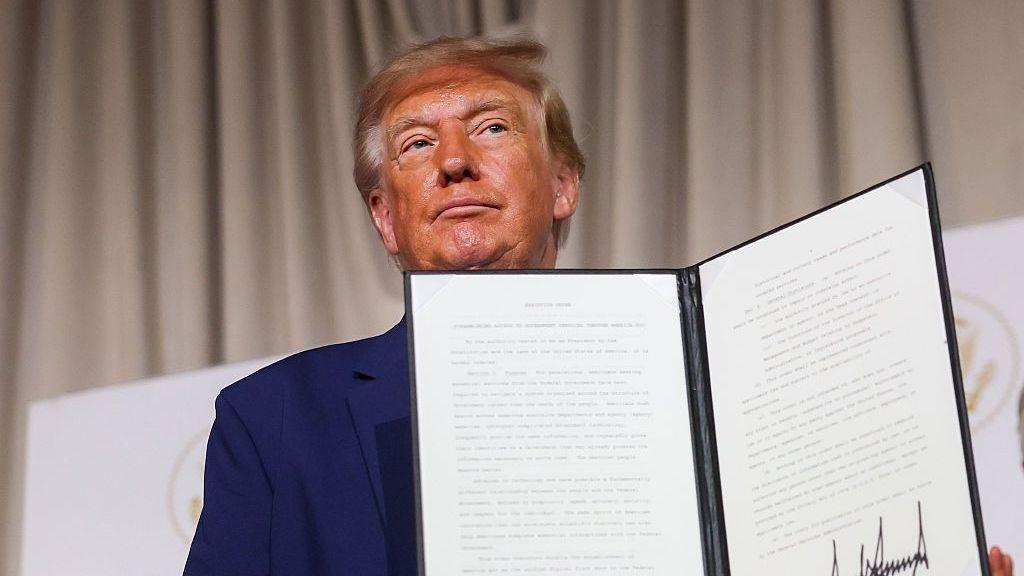
Historically, Quebecers have voted against independence in 1980 and 1995; now only about 30 % of voters turn out in favour of a new referendum, according to recent polls. Nonetheless, St‑Pierre Plamondon has set a target of holding that referendum after U.S. President Donald Trump steps down, indicating a belief that global economic stability will make the debate “informed and serene.”
The PQ’s victory also brings sharper scrutiny to issues that test federal‑provincial relations. St‑Pierre Plamondon has already vowed to "abolish the monarchy in Quebec" and reallocate funds currently spent on the provincial lieutenant‑governor’s office to social services such as homelessness relief. While the federal government can challenge such a move on constitutional grounds, the Premier has openly declared readiness for a legal fight.
Prime Minister Mark Carney, who remains popular in Quebec even amidst U.S. tariff disputes, welcomed the new provincial leadership. In a social‑media post, he said: “Building a stronger Québec is core to our mission of building a stronger Canada.” He added that he looks forward to working with the PQ to support businesses and workers affected by recent trade tensions.
The election’s outcome underscores a broader struggle for Canadian unity. While a future referendum remains uncertain, the PQ’s minority government signals that Quebec is poised to assert greater control over its political, cultural, and fiscal future—challenging Ottawa’s authority in a way reminiscent of the very 1980 and 1995 referenda.
“Our national destiny will be achieved one day,” pledged St‑Pierre Plamondon after the results, a line that echoes a promise of a coming democratic mandate on secession.
With the CAQ’s demise, Quebec’s political landscape is reshaped. The PQ’s agenda now sits unenforced by the legislature but may guide policy if other parties align on certain issues, particularly immigration. Meanwhile, Quebec’s push to dismantle monarchy symbols will likely ignite legal debates, as the province’s former lieutenant‑governor’s office plays a key constitutional role in giving royal assent to laws.
As Canada’s federal government braces for potential separatist challenges, it looks also to Alberta—where a referendum on independence is tracked—and to a tightly‑linked U.S. economy that could rule out the province’s financial stability further.
For now, St‑Pierre Plamondon must navigate a coalition‑dependent minority, an ambitious referendum timetable, and a constitutional battle over the monarchy—a trifecta of challenges that could define Quebec’s next decade and Canada’s future cohesion.