France’s Student Uprising: Schools Blocked, Violence Spikes and an Unprecedented Protest
By Henri Astier – 1 hour ago
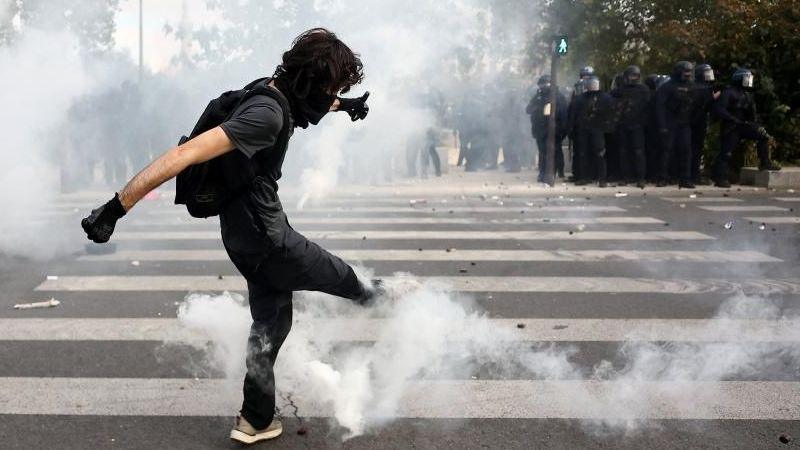
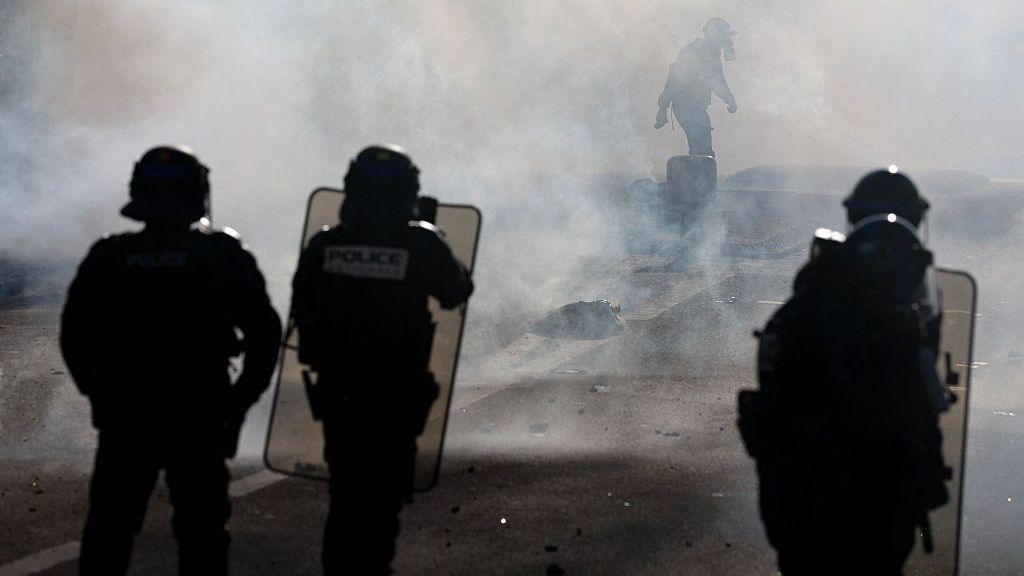
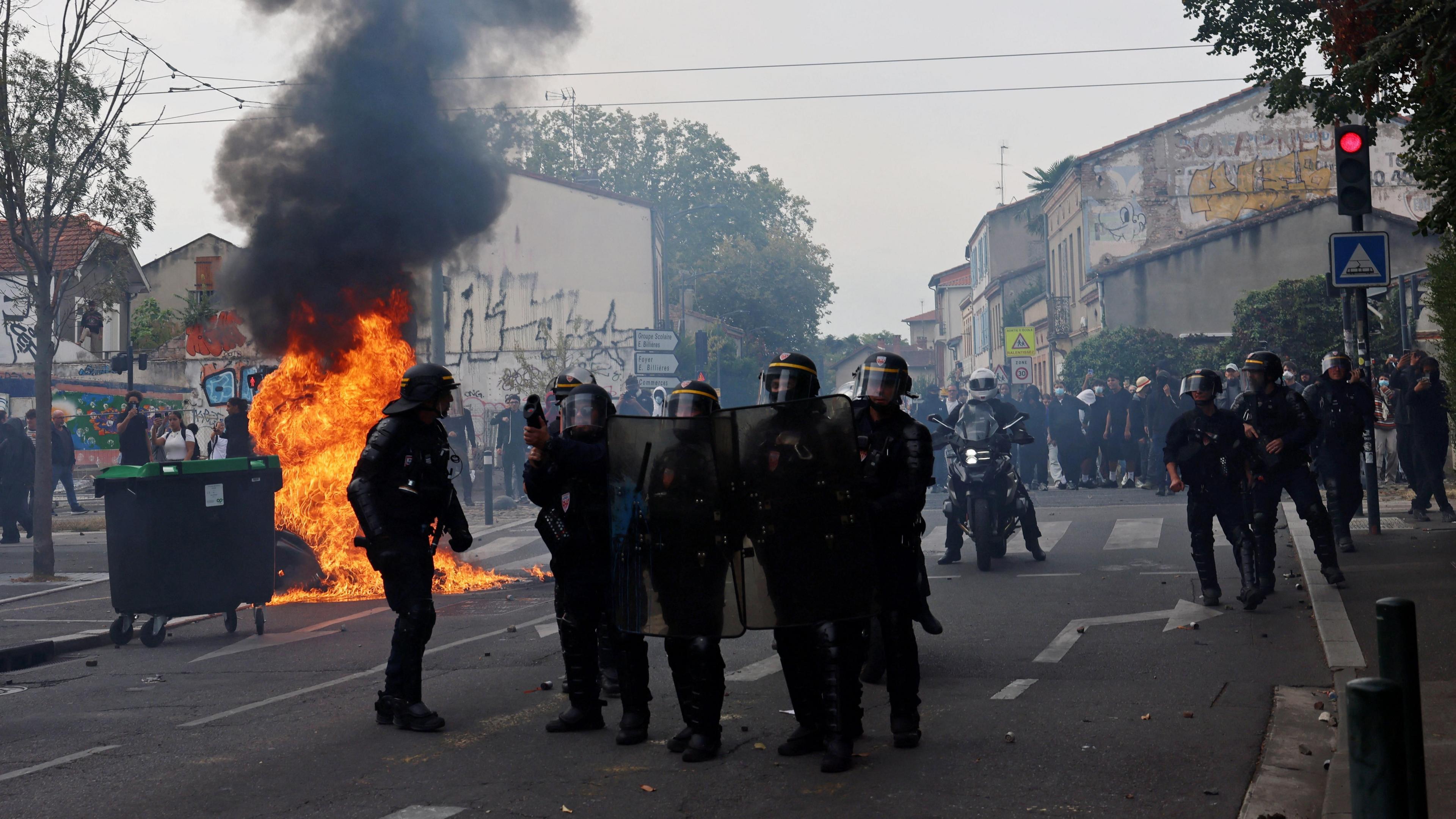
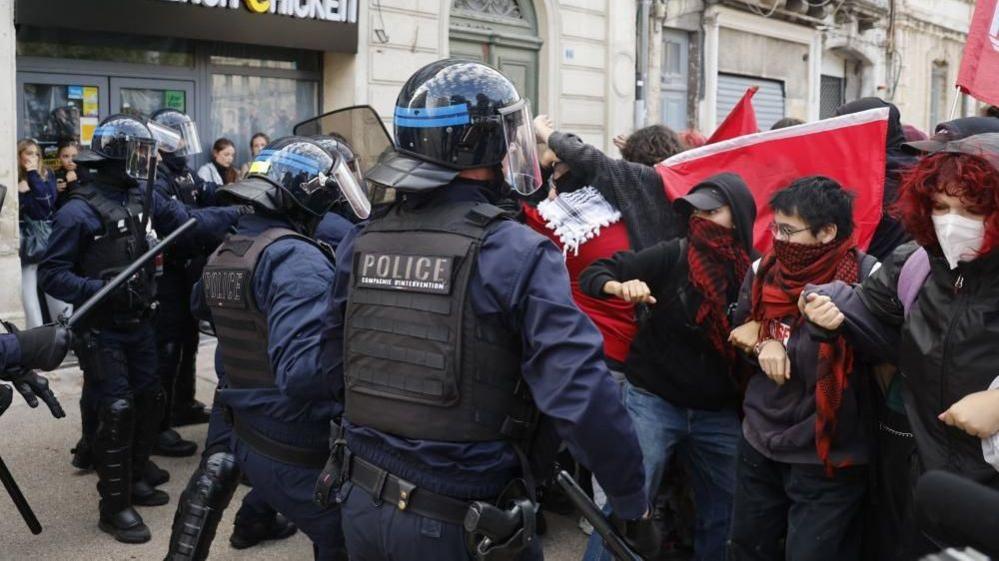
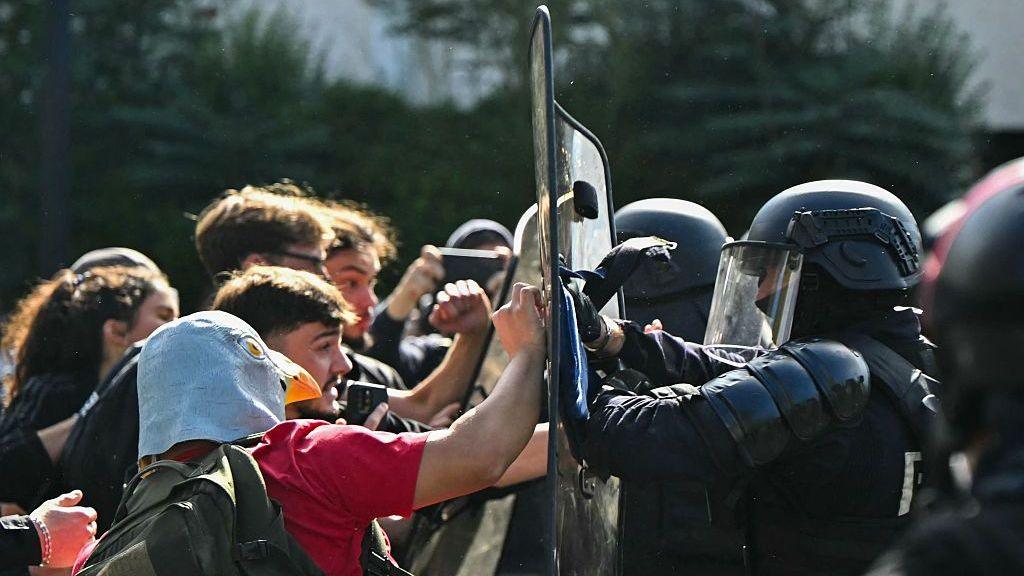
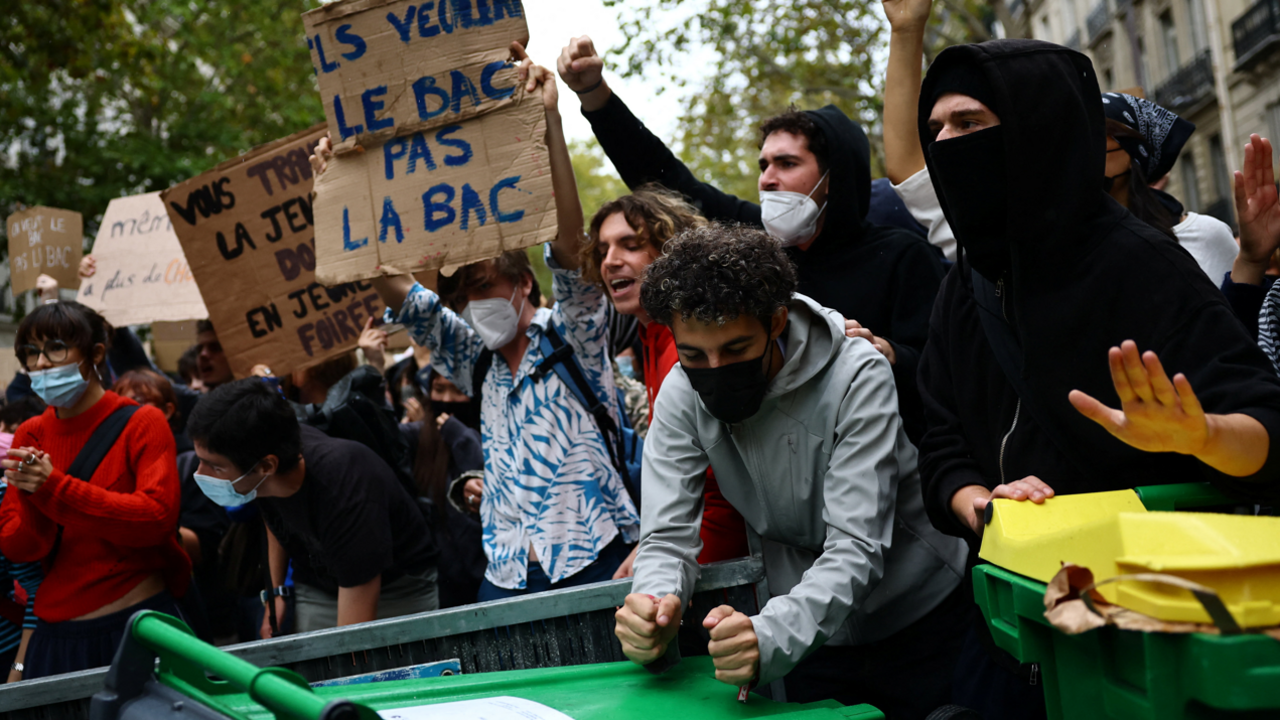
Since late September, students across France have been marching to the gates of high schools, demanding better resources, shorter days and a fairer university admissions process. The movement has soon turned confrontational, sparking clashes with police, mass arrests and even tear‑gas deployments.
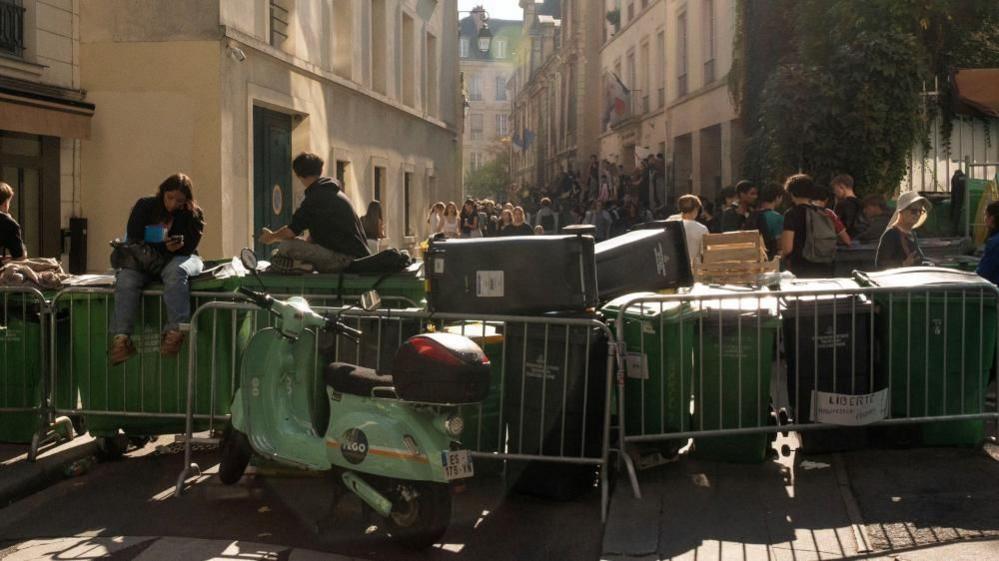
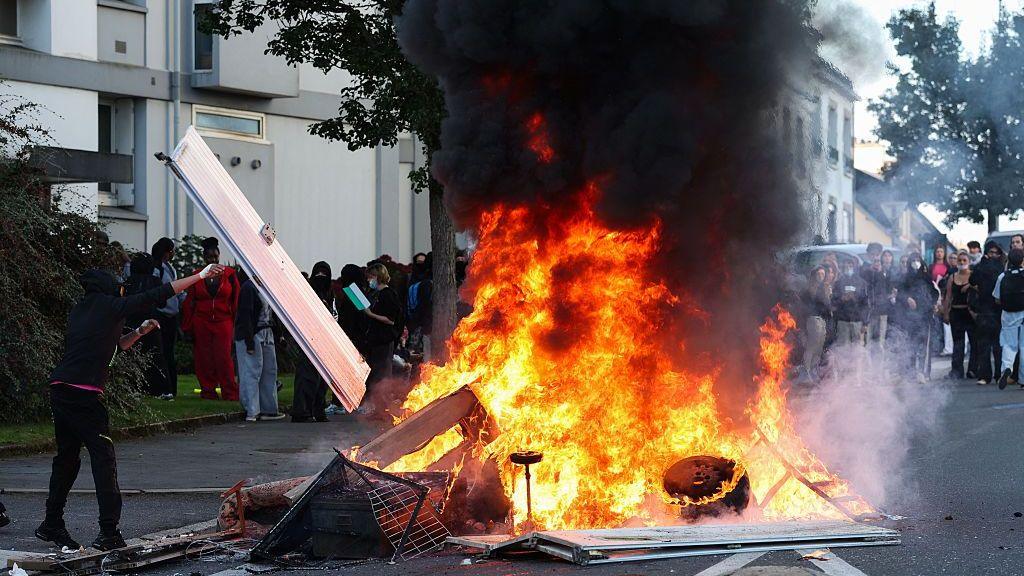
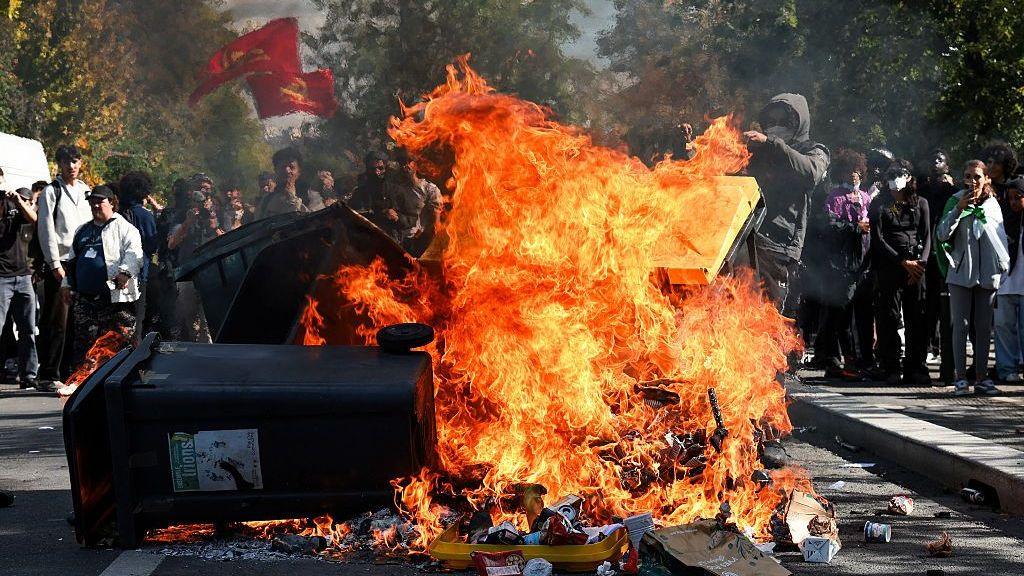
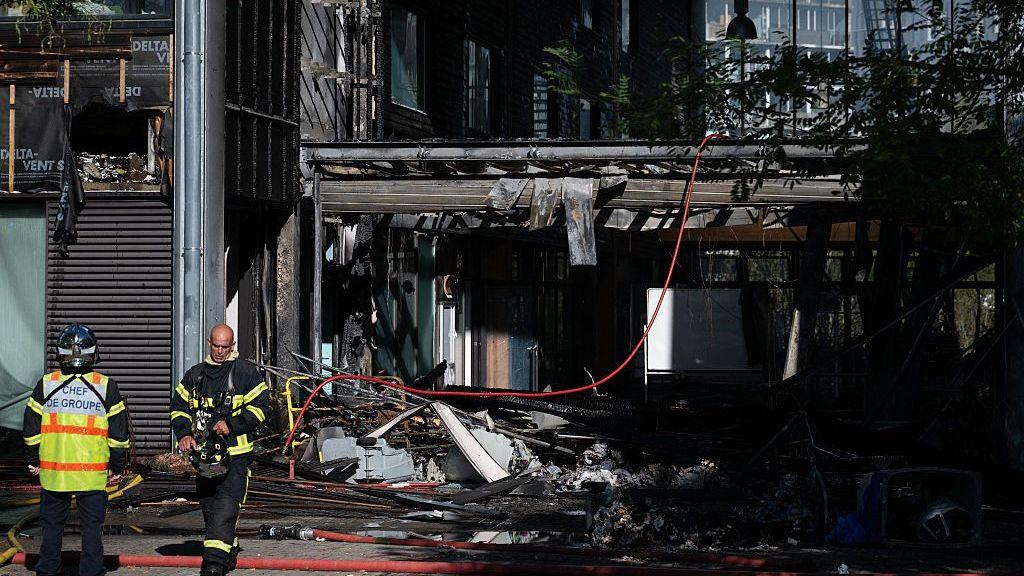
In the first 48 hours the protests spread to more than 1,000 lycées, with students blocking entry, setting up barricades and holding signs. According to official figures, 500 people were arrested on Tuesday alone – many of them the students themselves. Police reports note dozens of injuries among students, teachers and officers, as flames and ransacked buildings turned some school sites into chaotic battlegrounds.
The underlying grievances are real: teachers in many schools have gone months without replacements, classrooms are often cramped or overheated, and the heavy‑handed rules about cell‑phone use and late‑afternoon wiring of schedules have turned a generation fatigue into anger. Meanwhile, France’s national online platform, Parcoursup, is blamed for an opaque and highly competitive university admission process that often leaves students with forced choices.
OECD data show that France actually spends more per high‑school student than the EU average – but the stakes remain high. In 80‑90% of EU countries, secondary education is widely completed, yet competition for top university programmes escalates similar stress. The question remains why the current French protest has magnified into a “unprecedented” scale, as interior minister Laurent Nuñez describes.
Historical Roots of French Student Activism
The present movement is part of a longer tradition. In 1990, a rape incident at a school in Seine‑Saint‑Denis ignited mass street protests, prompting the state to release €1.2bn for lycées. In 1998, 500,000 students marched, securing €1bn for renovations and 14,000 extra staff. In 2006, demands over youth labor laws halted a parliamentary law after universities and high‑schools boiled over with violence.
Political science scholars note that French street protest almost always exists alongside parliamentary politics – a duality that turns the streets into a political arena where youth can “compete with elected officials for legitimacy.” Surveys at BMFTV show 72% of the public see the protests as “legitimate” and 55% support the movement’s demands.
The Power Prism: Politicians vs. Protesters
Prime Minister Sebastien Lecornu, recently described himself as the weakest prime minister in living memory, claims the government is merely enforcing law, not confronting students. With President Macron already on a lame‑duck run as the next election looms, Macron’s political capital has dwindled. Buoyed by high financing costs, a 5.4% national deficit and debt at post‑war highs, Lecornu is under excessive fiscal pressure.
The confluence of political fragility and student militancy creates a volatile environment. While politicians may offer concessions, the intermittent risk of violence and large-scale blockades remains a major deterrent. Until the government can fund real reform, a more unified demand for better classrooms, sensible timetables and transparent admission rules will likely continue to press the political system.
For now, the protests march on with a new rally scheduled for Thursday, as the streets continue to echo France’s historic, and sometimes desperate, desire for policy change from the very front of the school gates.