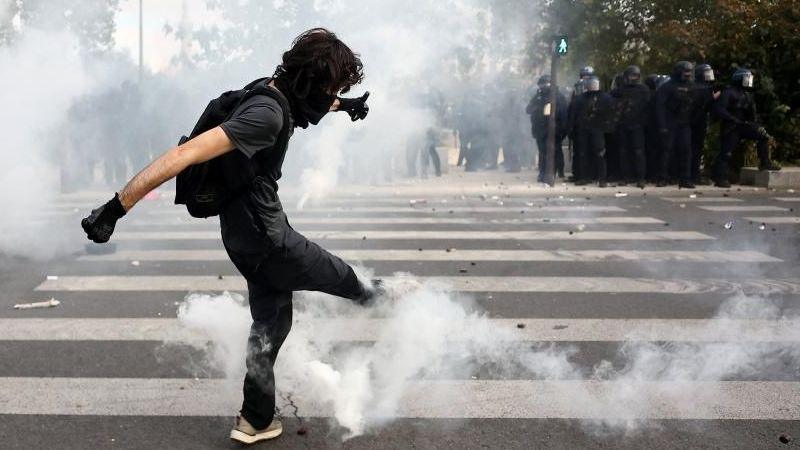
Tear gas descends as French school protests spread to Paris, Marseille
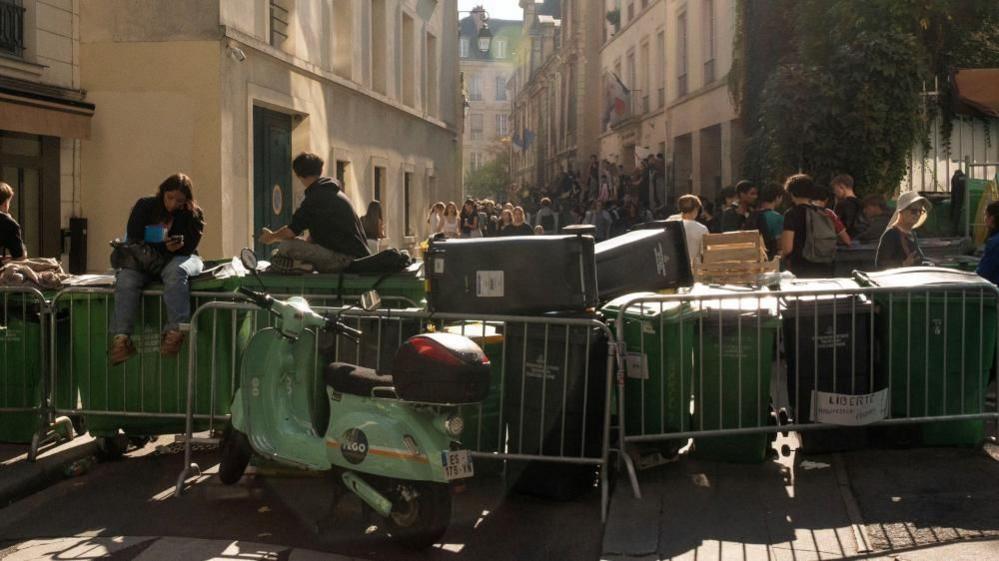
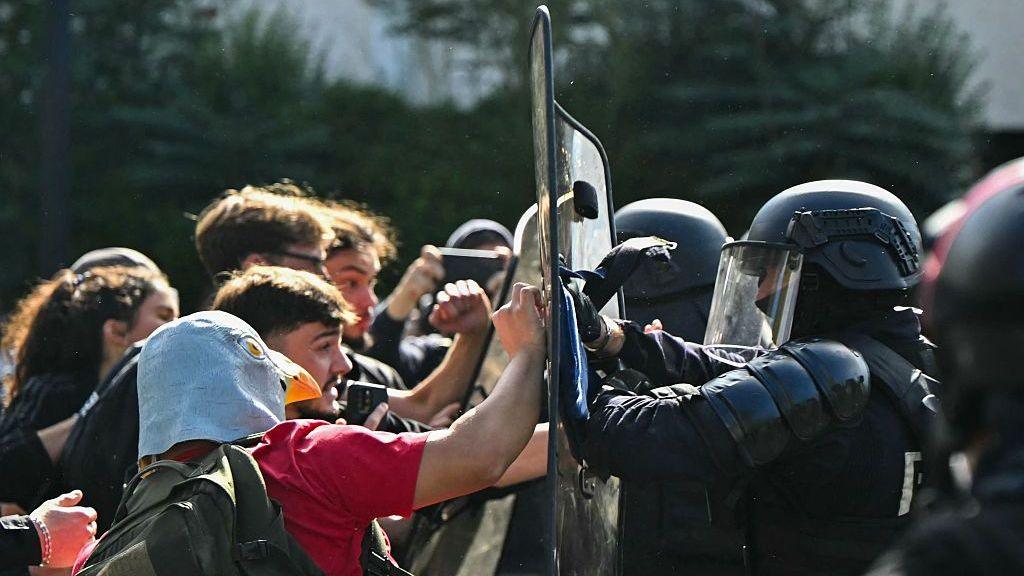
Hundreds of thousands of students, parents, university students and unions have been marching across France since mid‑September, demanding better funding, safer classrooms and an end to police repression.
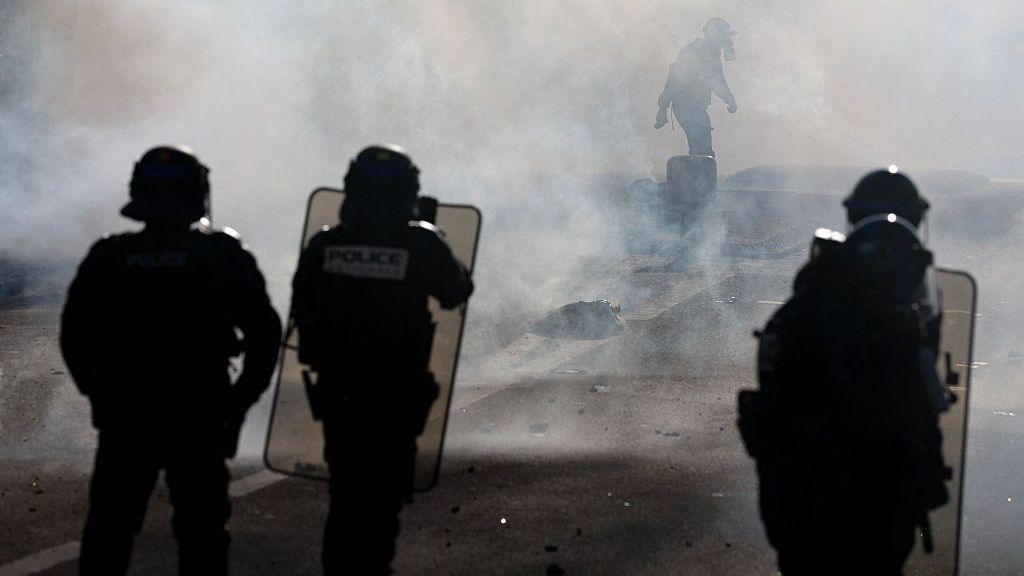
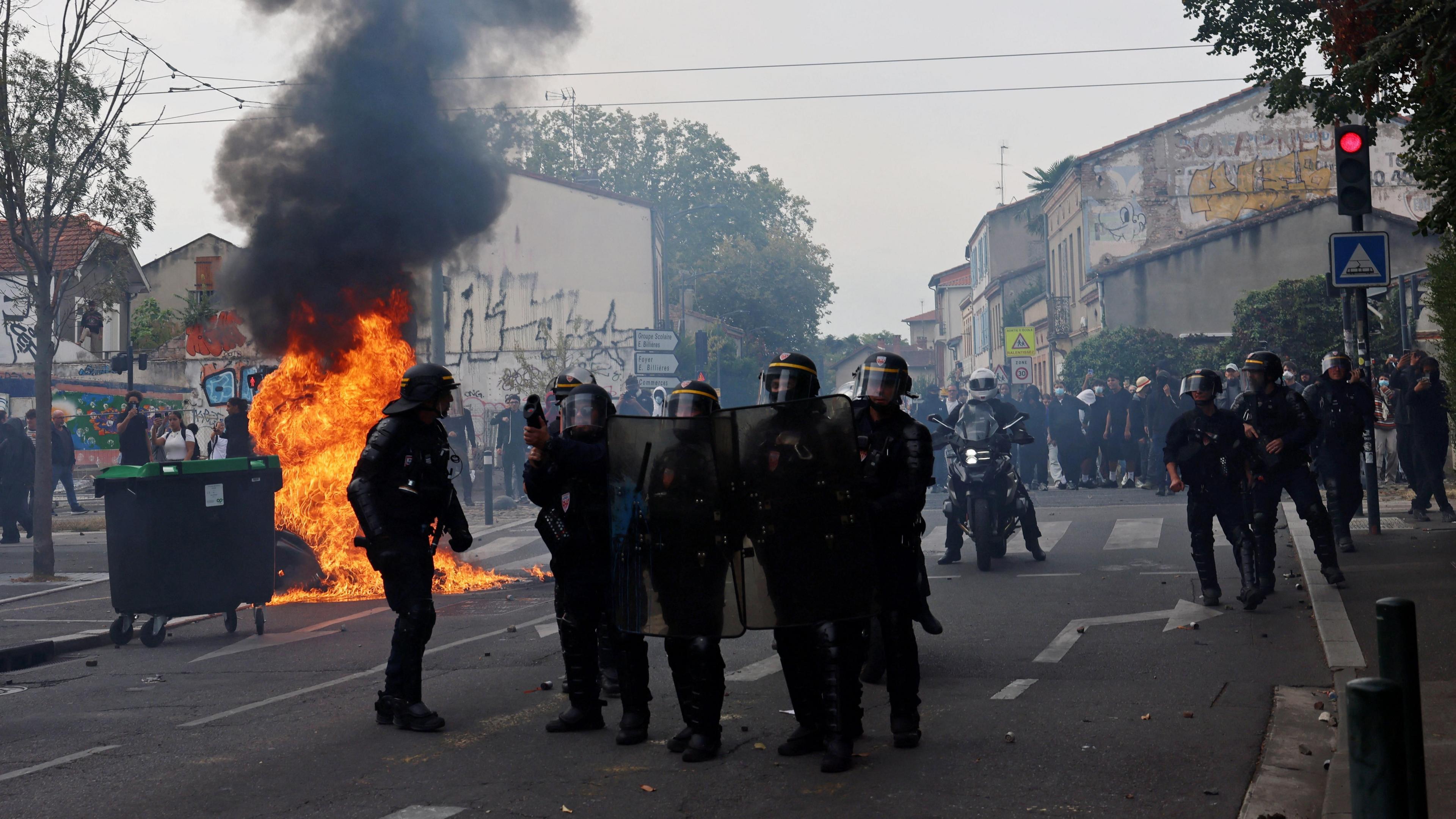
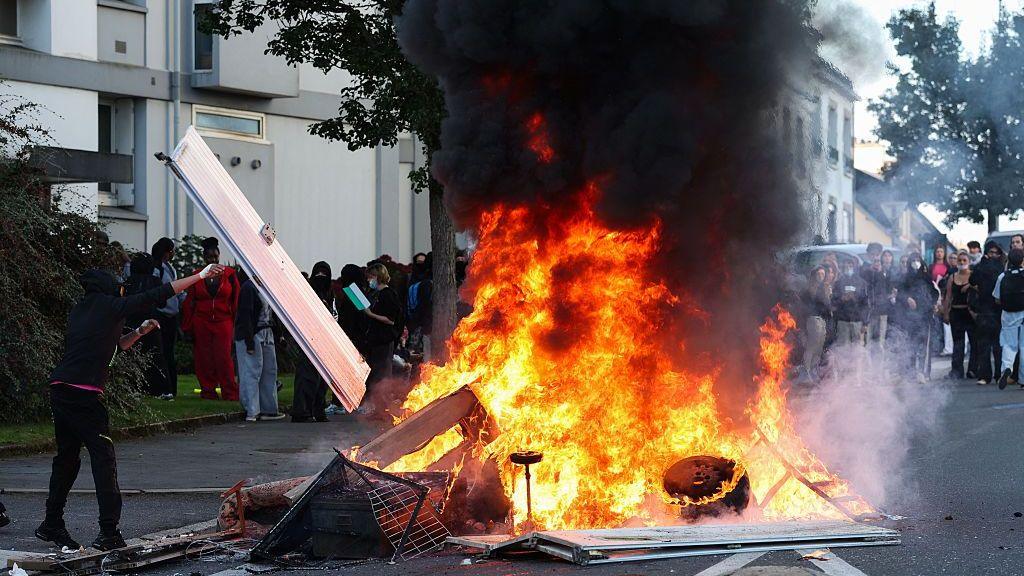
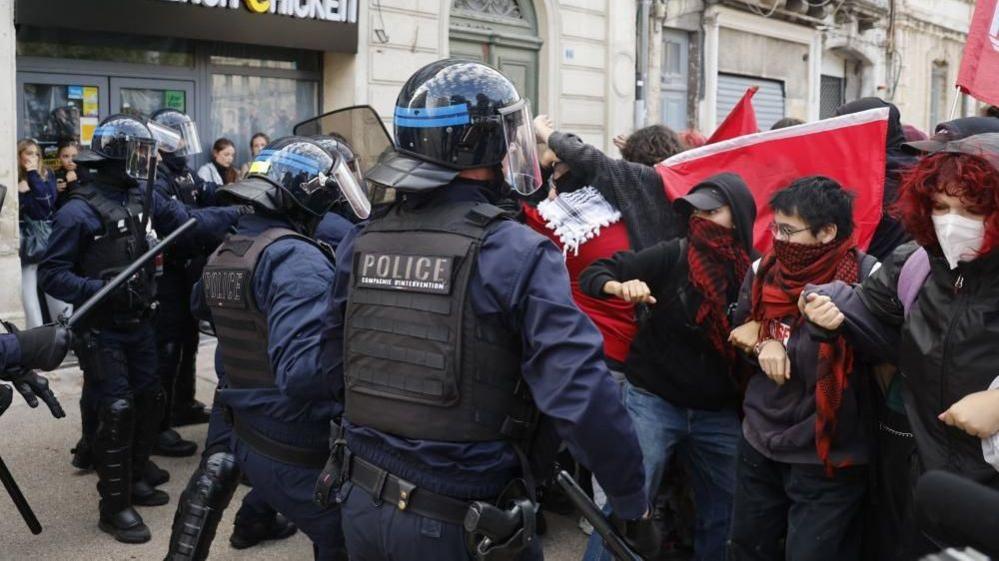
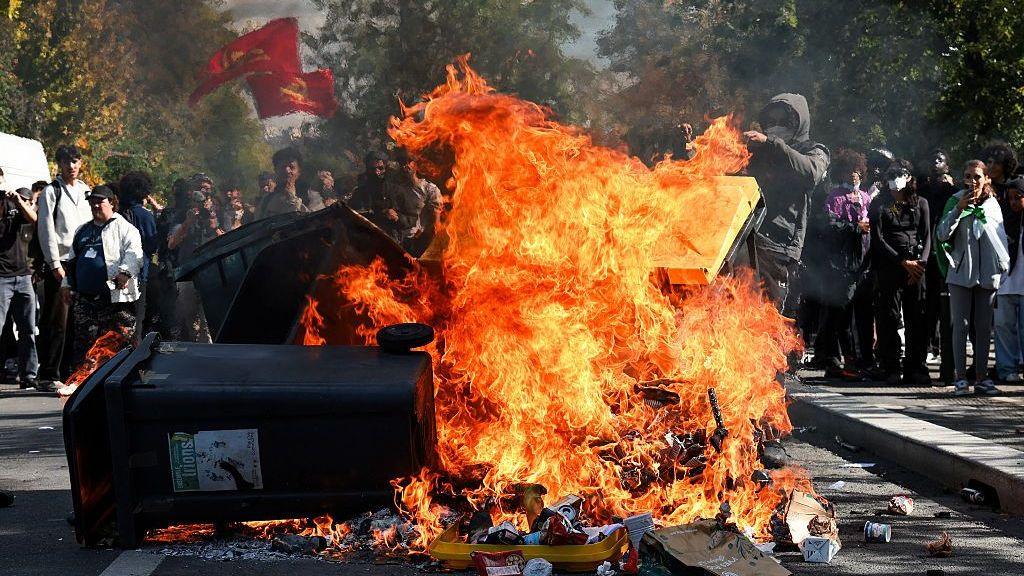
In Paris and Marseille police opened fire with tear‑gas canisters. Lyon saw the use of water‑cannon blasts, while Rennes was hit by a barrage of non‑lethal weapons. The volatile response, however, has not stopped the protests; demonstrators have turned their anger towards the education system’s state.
Casualties and government response
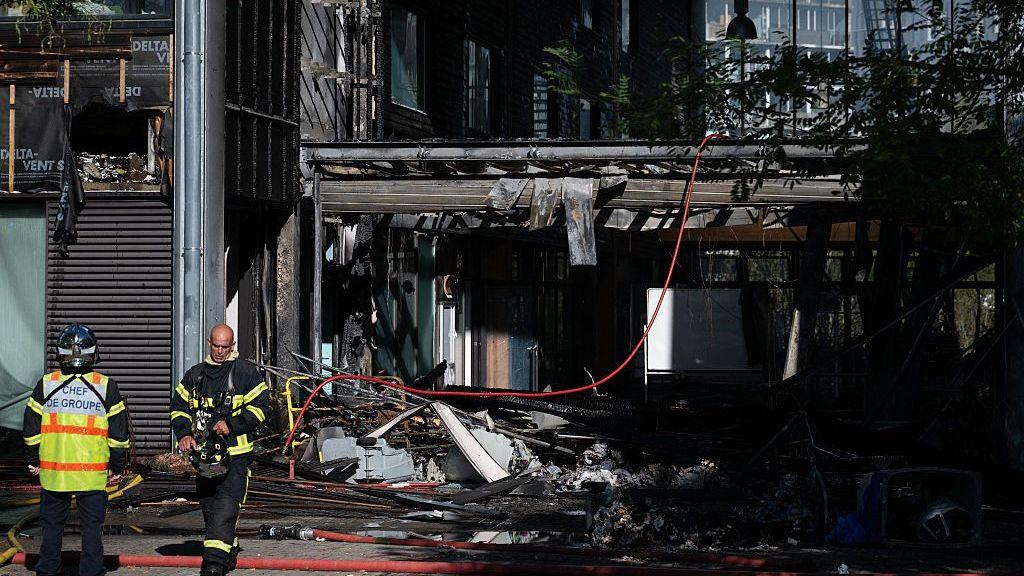
Prime Minister Sébastien Lecornu said the mobilisation had triggered 215 injuries among students and 85 staff, and 715 police officers were hurt. Officials counted 891 high schools disrupted, representing almost a quarter of all lycées. While the government says 250,000 people marched, students’ unions claim 450,000 and that 1,800 schools were blockaded during what they call “Act Three.”
Voices from the front lines
"Most of us aren't violent," a student in Marseille said. "We are going to the streets because our schools are closing, and the buildings are falling apart."
"The ceilings in Marseille's schools leak," another protester added. "We can't study for long. We'll keep protesting until we get solutions."
Political context and future calls for action
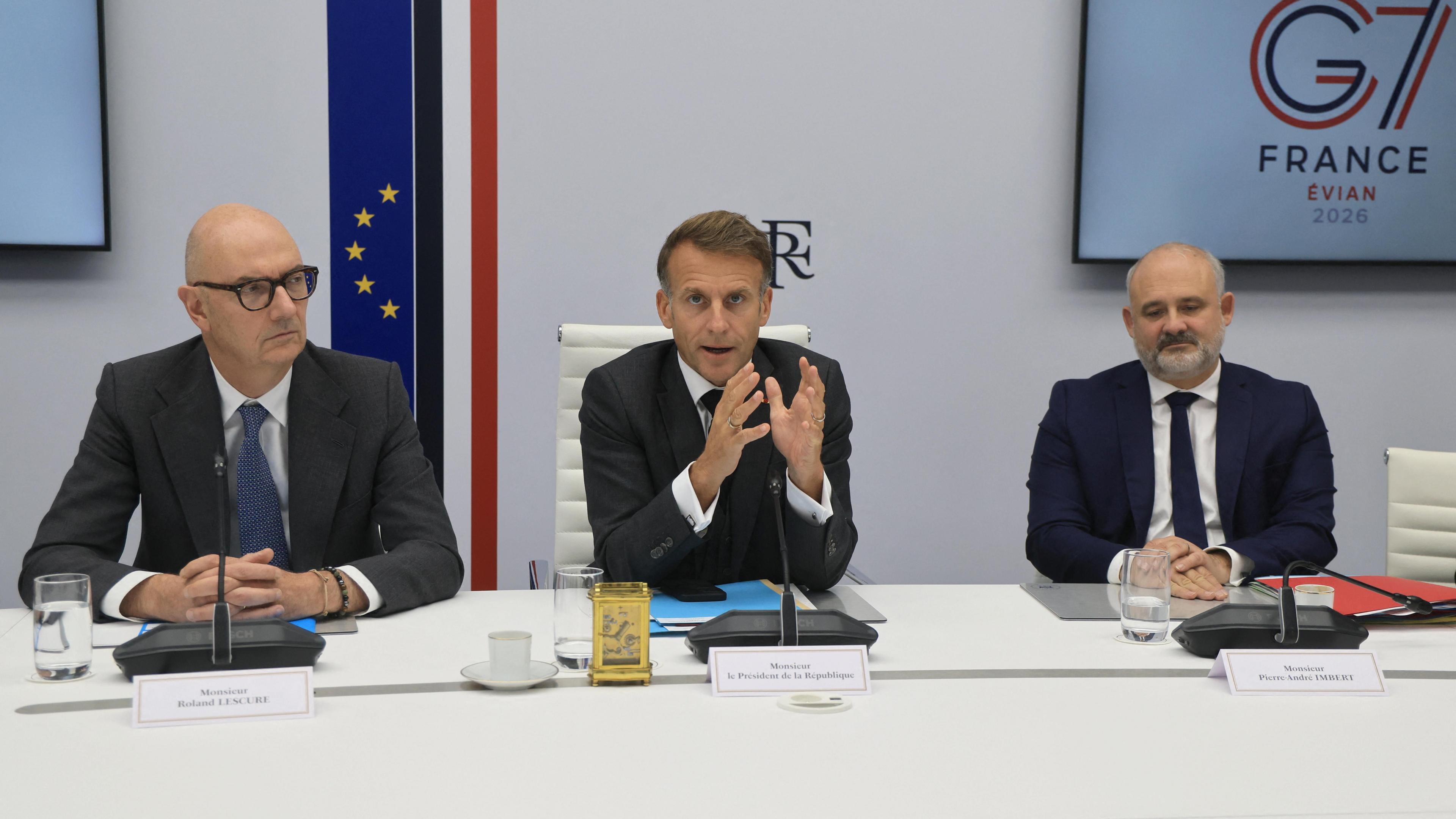
In parliament, Premier Lecornu accused the left‑wing France Unbowed (LFI) of stirring unrest days before France’s presidential election in July. President Macron, at the tail end of his second term, faces mounting pressure as the opposition reshapes the political landscape.
The Education Minister has called for dialogue, but students complain that a website for grievances and a single day of internal discussion have yielded little hope. The CGT, France’s largest union, has already announced plans for further nationwide protests, indicating the crisis is far from over.
For more on the fallout, read BBC’s full coverage at BBC Online.