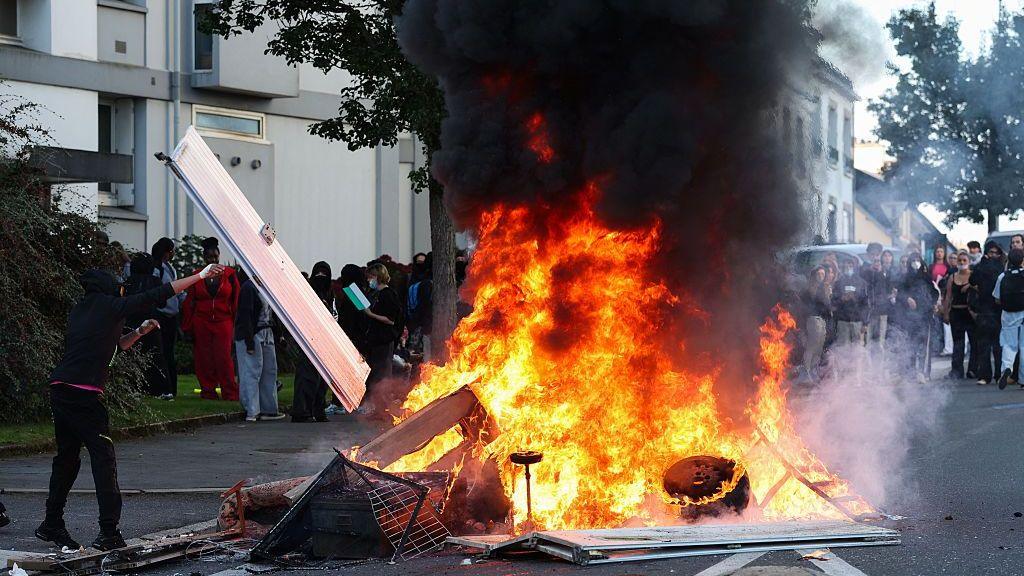
Students across France have taken to the streets in a wave of protests demanding better funding, smaller class sizes and improved facilities. The demonstrations, which began last week in Paris, have now spread to more than 700 schools nationwide.
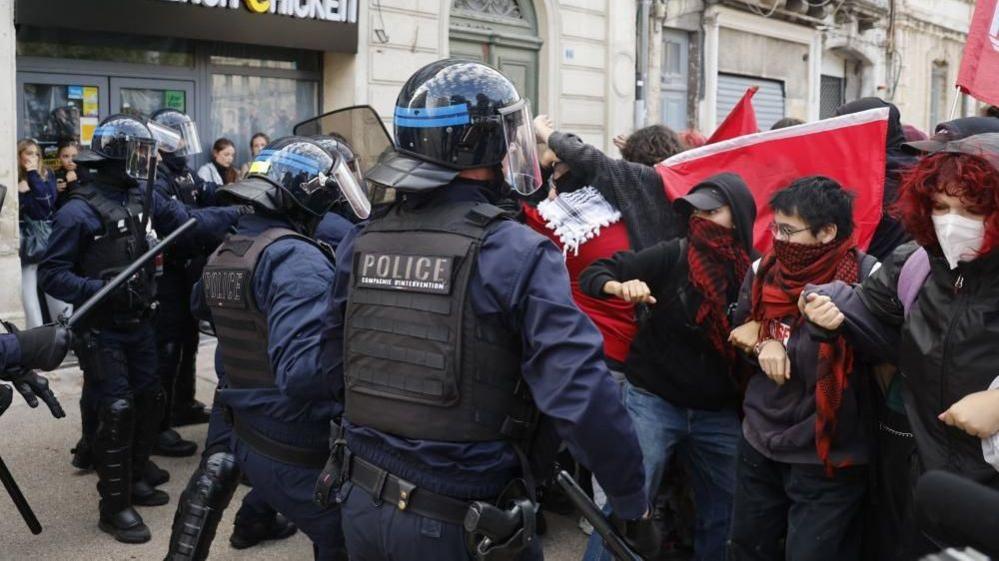
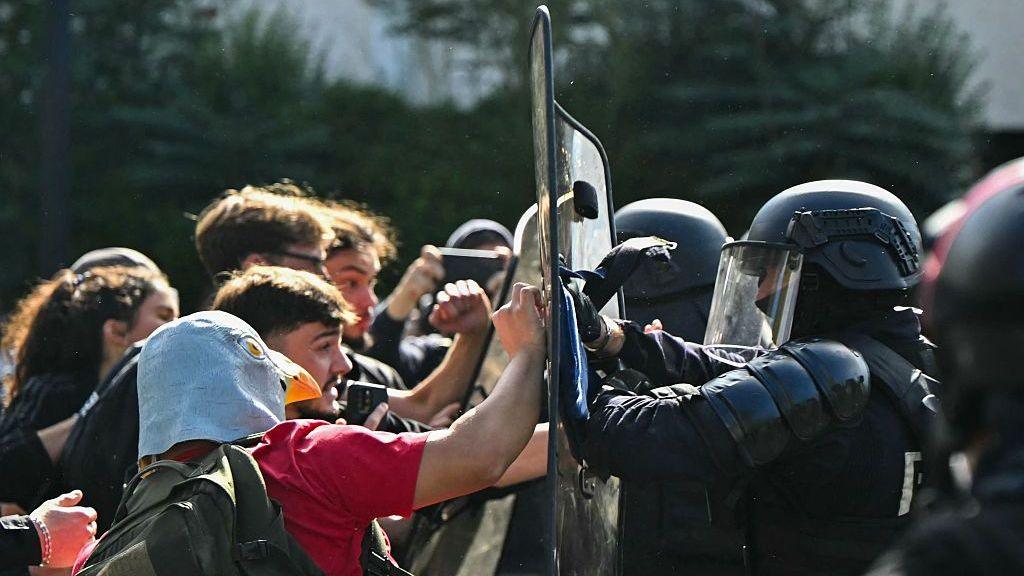
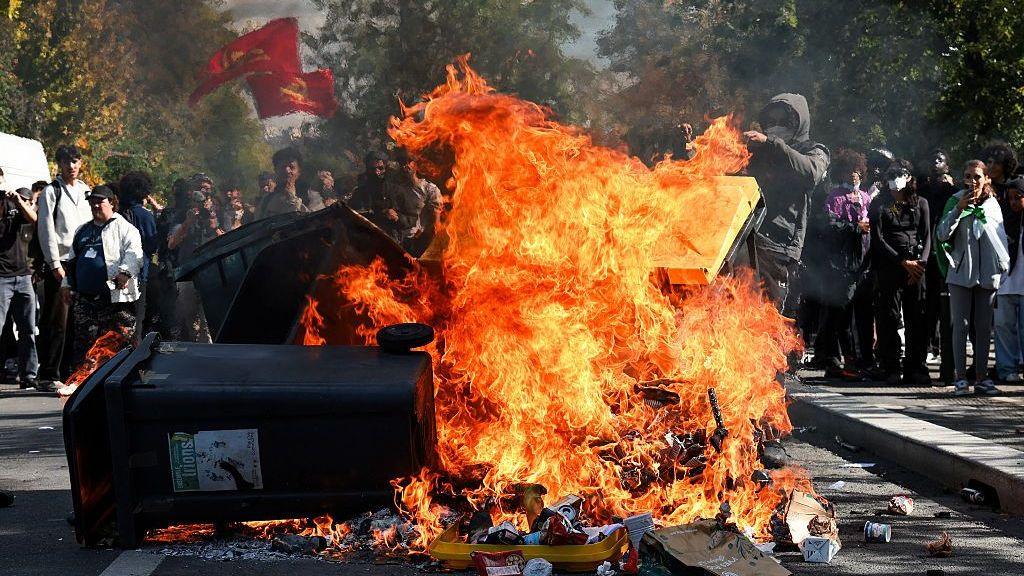
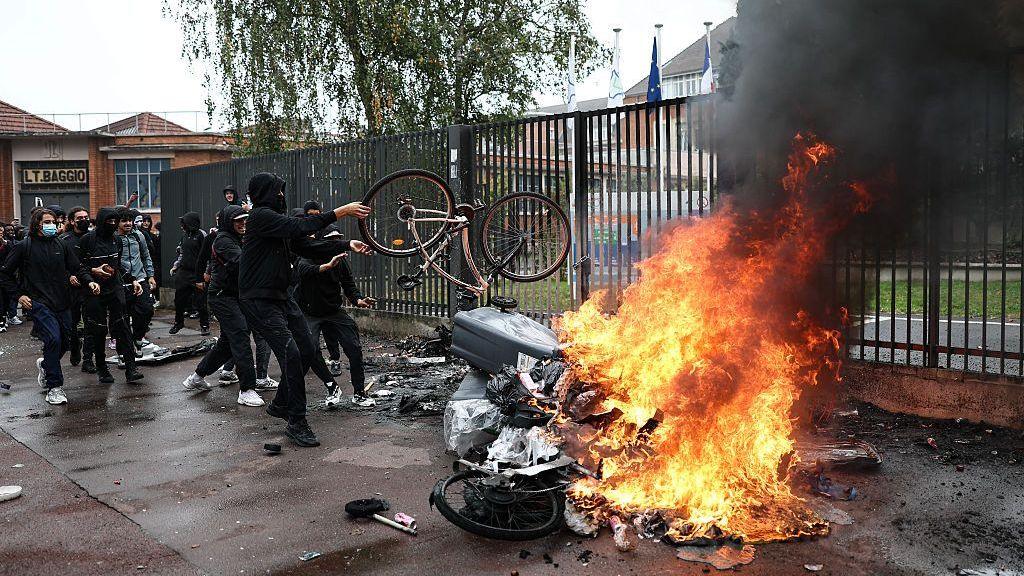
The unrest has turned violent. Riot police clashed with demonstrators, fires broke out in several cities, and over 1,747 people were detained the previous Friday.
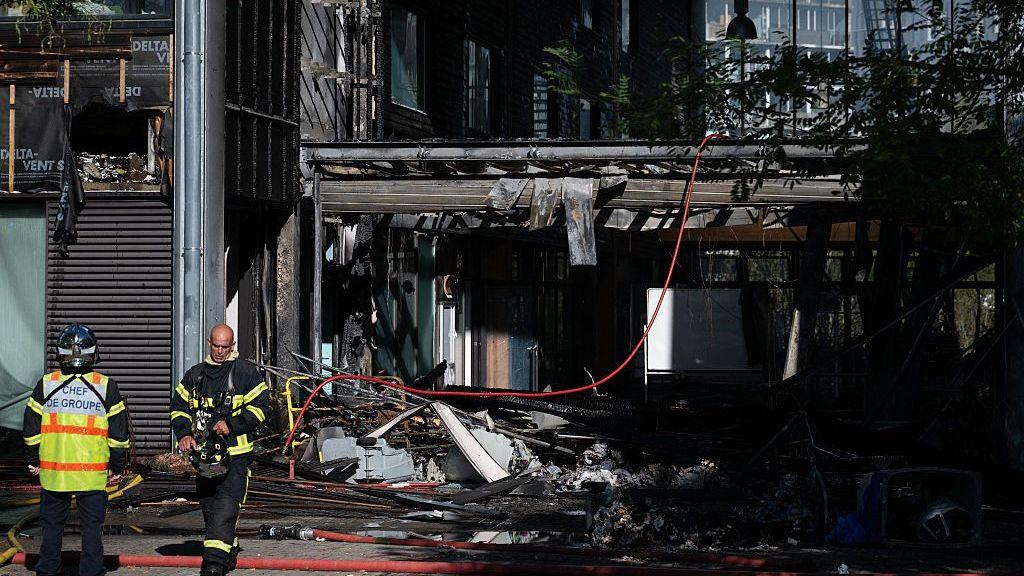
High-profile incidents include the burning of barricades in Aubervilliers, where firefighters confronted flames, and the assault on a police officer in Belfort, where a 17‑year‑old was arrested on suspicion of attempted homicide.
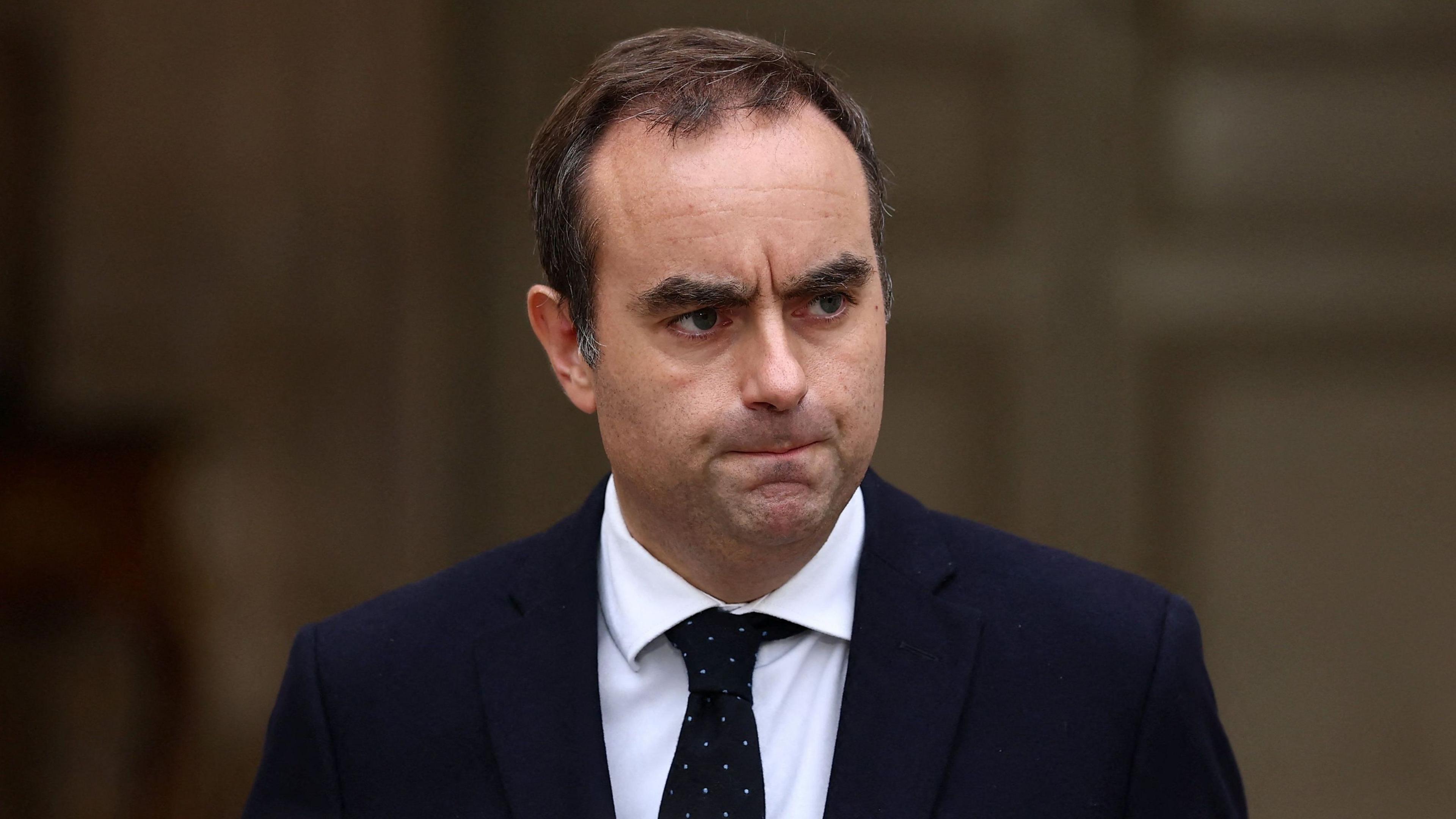
Government officials have condemned the violence. Interior Minister Laurent Nuñez called the situation “riots and urban violence” and vowed to employ “all intermediate means” to restore order. Education Minister Édouard Geffray said the movement had been hijacked by non‑students.
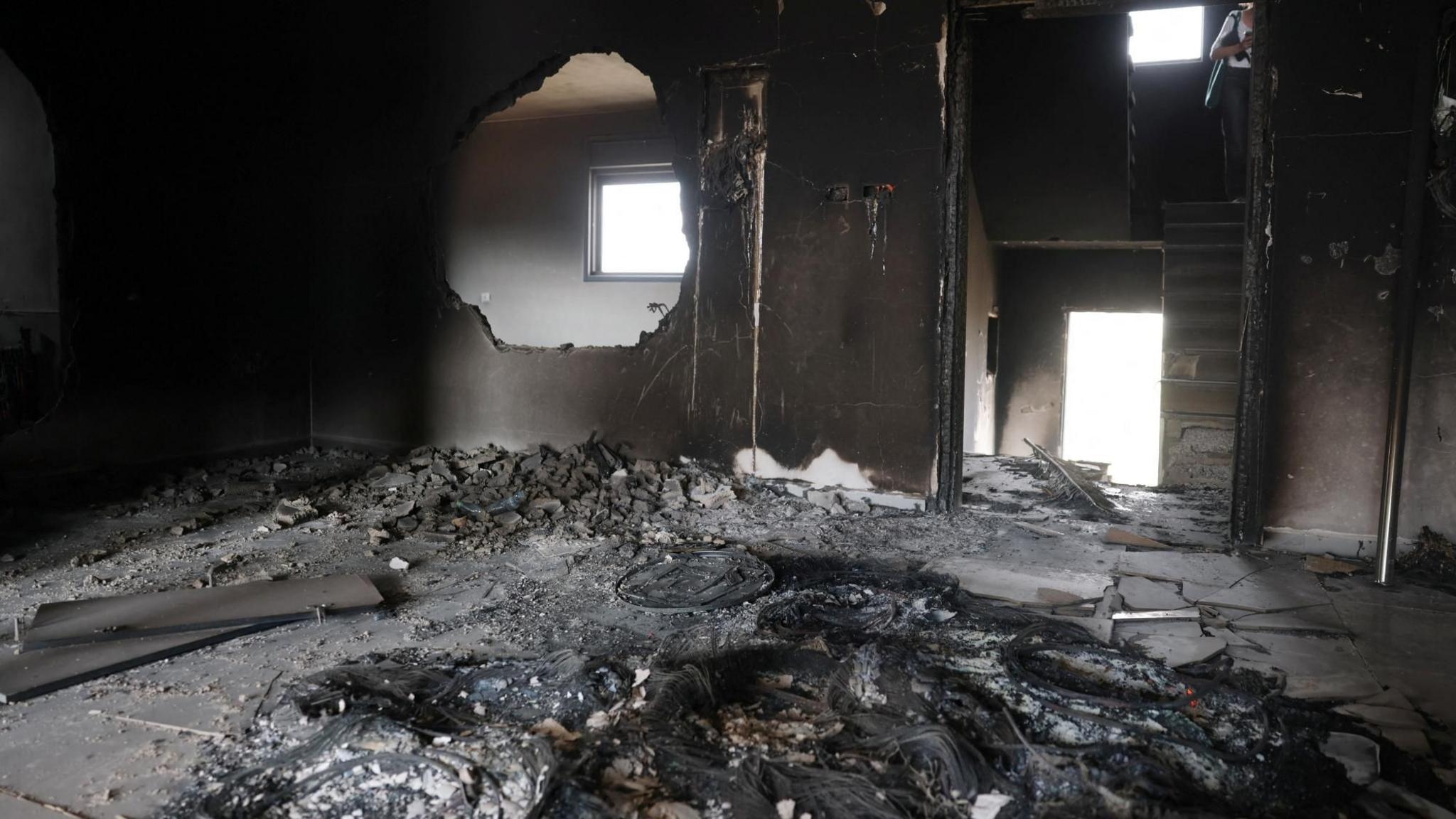
The protests have already damaged school infrastructure. In Nantes, the Nelson Mandela high school suffered more than €2 million in damage, while police state that 65 staff members have been injured. Parents fear the violence will impact their children’s education.
The unrest comes just six months before France’s presidential election, adding political stakes to the crisis. Unions such as SNEP‑FSU and Solidaires have rallied behind the students, calling for support while warning that the students’ right to protest must be respected.
Authorities have threatened to hold parents liable for damages, and police have seized petrol bombs, an axe and other weapons from demonstrators. The government’s response will be closely watched as the conflict continues to unfold.