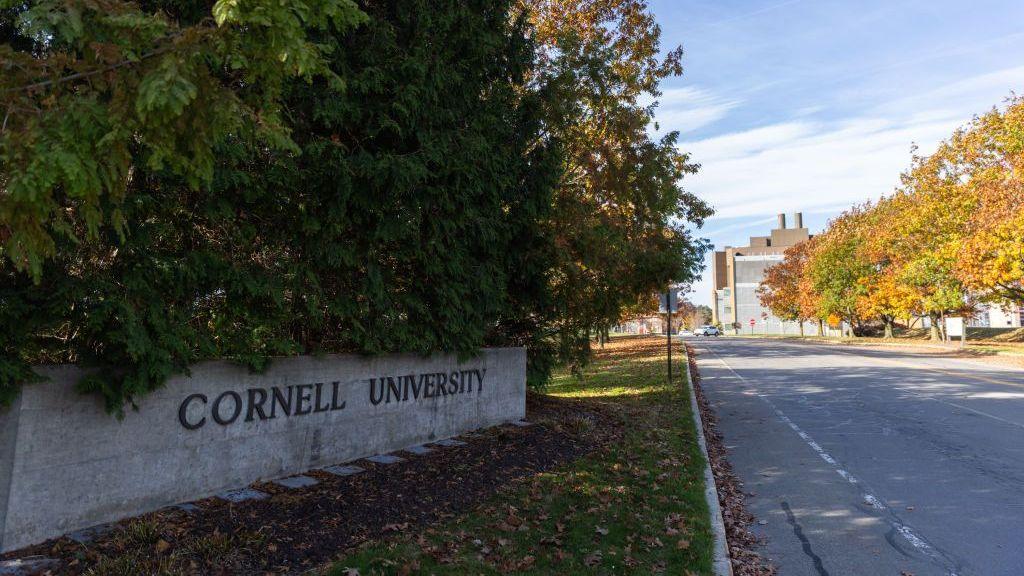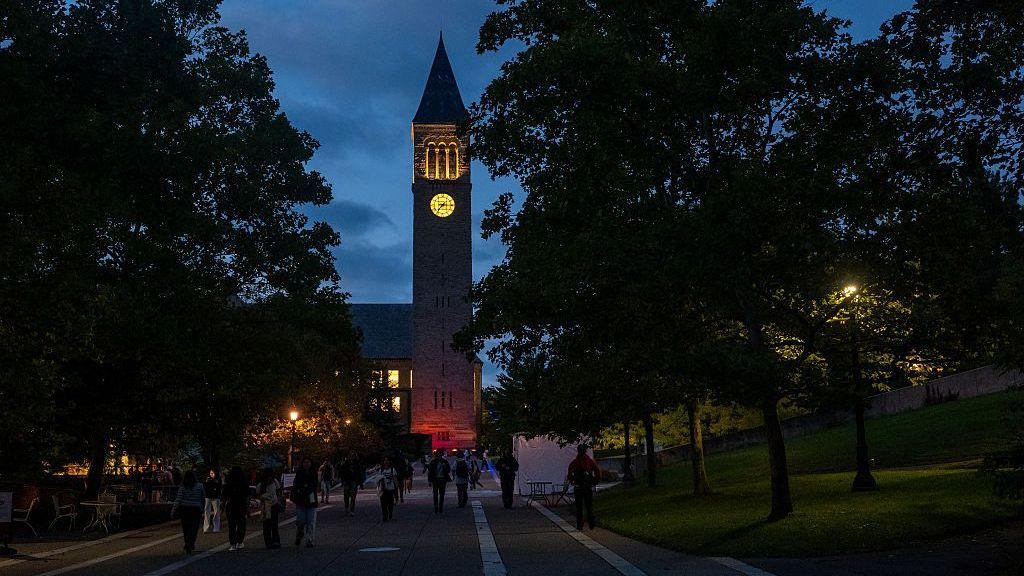
Cornell University, known for its picturesque fall foliage, currently feels a heavy shadow as the campus community grapples with the 2024 fraternity rape case that has ignited widespread anger and a call for sweeping reforms.
Students gathered Thursday in an assembly to demand that the university prioritize safety over its reputation. A senior, Sophia Sim, said she had missed a week of class and urged the administration to show that students matter.
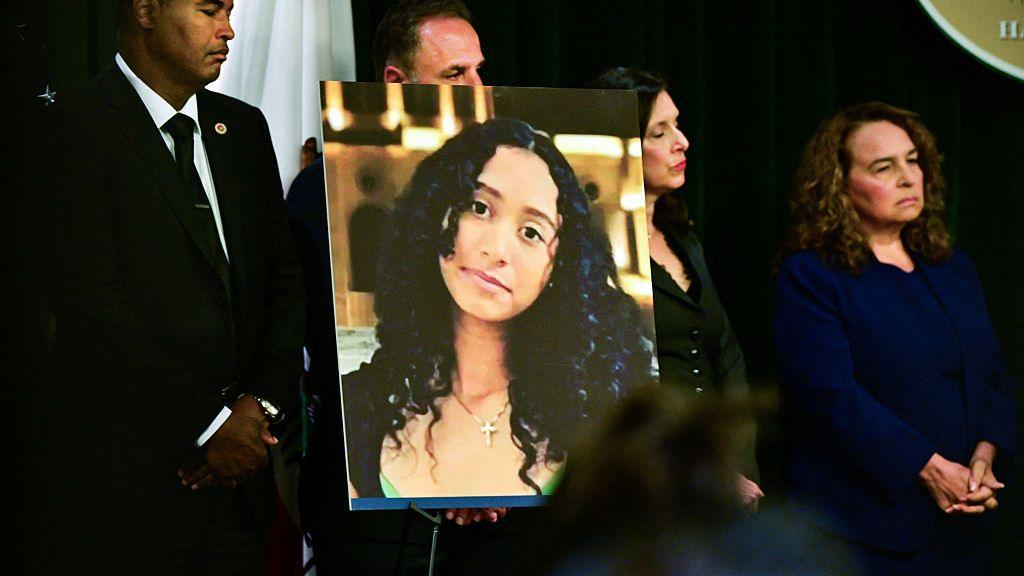
The incident involved a group of men later dubbed the “Cornell Seven” who allegedly drugged and raped a woman at a Chi Phi house. The accuser, who remains anonymous, filed a civil suit in September and has called the university’s response a failure.
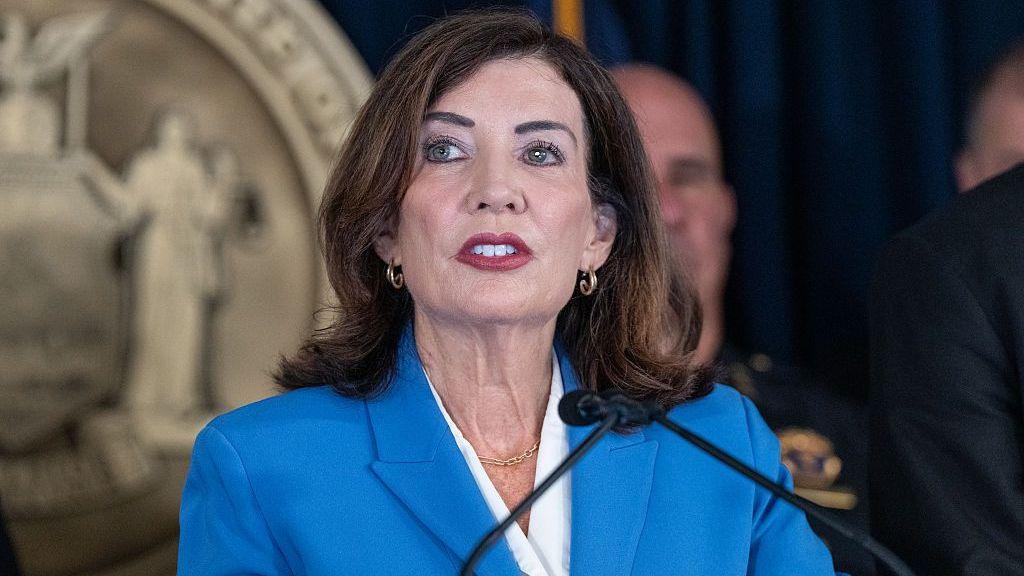
In a move that appeared to signal fresh momentum, Governor Kathy Hochul announced that New York’s attorney general Letitia James would take over the case from the Tompkins County district attorney. The switch follows the original investigative report that found insufficient evidence for criminal charges.
While Cornell has said it conducted an "extensive investigation" and honored federal civil‑rights law, students and alumni insist the school withheld information, citing legal limits on disclosing disciplinary details.
The campus is already gearing up for the “Justice for Survivors” protest slated for 5 October, demanding expulsions, policy rewriting, external oversight and mandatory police‑training on sexual‑assault prevention.
New faculty and first‑year students describe the mood as “dismal,” and a letter signed by 1,300 graduates calls for deep‑rooted reforms rather than a “masking” of the problem.
As the case moves forward, the broader conversation about fraternity culture, campus safety, and transparency in higher education remains at the forefront of national debate.