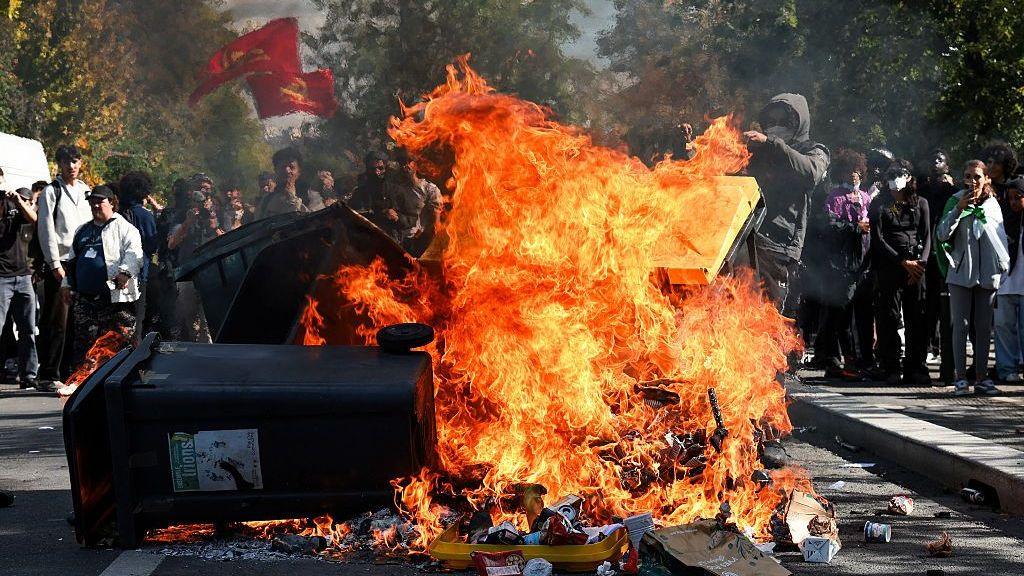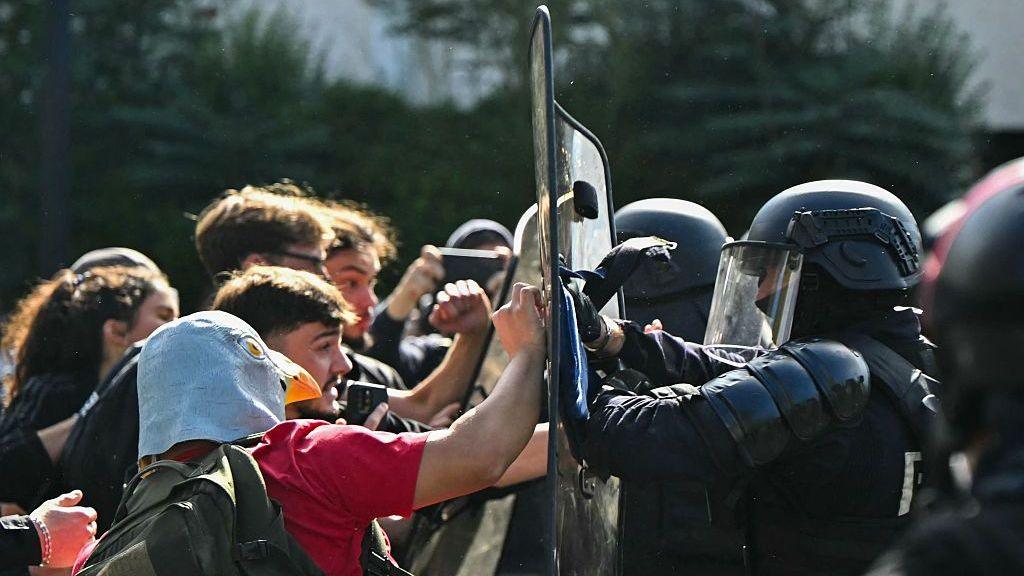
In a surge of frustration that has rippled from the Seine‑Saint‑Denis suburbs to cities across France, students took to the streets to block secondary schools, turning quiet corridors into scenes of civil unrest. The protests, first ignited in late September, quickly escalated into fires: a lycée in Nantes saw its main hall reduced to charred skeletons, while smaller blazes erupted at school gates nationwide. The damage, already estimated in the millions, has left dozens of teachers and school principals injured, with Education Minister Édouard Geffray reporting 65 staff injuries, 40 of them school heads.
The students’ demands are broad and vague, centering on a need for more funding, additional teachers, smaller class sizes and improved infrastructure—issues that resonate with a generation accustomed to spending cuts. Yet the picture is complicated by the presence of non‑students among the demonstrators, the use of the Palestinian and Algerian flags and the promotion of police‑station protests. An internal police report, leaked to the media, claims that far‑left student unions and the France Unbowed party (LFI) are “egg‑ing” the movement, using it as a political springboard ahead of the 2027 budget and the May presidential election.
The violence has drawn a sharp distinction in French politics: while the left and centre claim that any such unrest is a symptom of nationalist interference, the right stresses the risk that the far‑left is manipulating youth discontent for electoral advantage. Jean‑Luc Mélenchon, LFI’s presidential hopeful, has publicly condemned “excessive violence”, but his vehement support for the protestors remains controversial. Polls indicate that he enjoys strong backing among the 18‑24 demographic, especially in the high‑immigration suburbs where he speaks of a “new France” built on cultural hybridity.
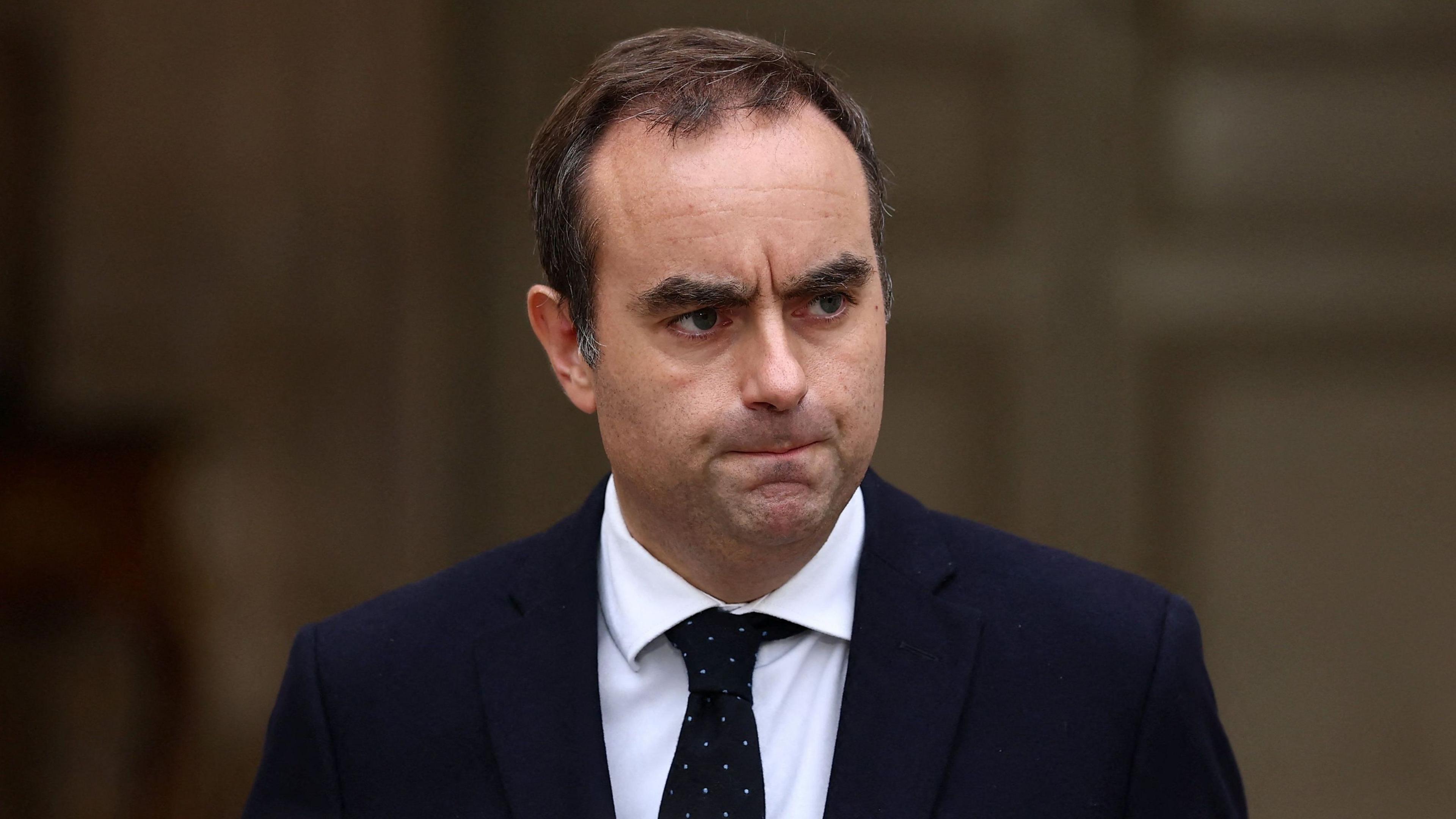
Budget Minister Sébastien Lecornu recently unveiled a €54bn cut plan for the shaky national finances, emphasizing “more cuts – and this time we’re serious”. The tone underscores a shift away from public largesse as a tool for pacification. The combination of a populist crackdown on public spending, the perceived political exploitation of student protests, and an impending election agenda has turned the movement from activist grievance into a broader commentary on France’s political trajectory.
As the protests continue to spread into universities and rallies grow louder, the French state faces a precarious dilemma: address the legitimate concerns about the education sector while containing the potential for further violence and safeguarding the democratic fabric as the country heads towards a turbulent electoral showdown.