In brief
The MapBiomas report shows the Amazon’s burned area in 2025 fell to just 3.1 million hectares, the lowest since 1985. This decline follows a record‑setting 15.8 million hectares in 2024, the most extensive fires in over twenty years. President Lula’s pledges on zero deforestation contrast with the pace of land clearance before his administration, and the new figures bolster his re‑election bid. Still, experts warn the dip does not guarantee a lasting trend and call for continued fire‑prevention work amid climate uncertainty.
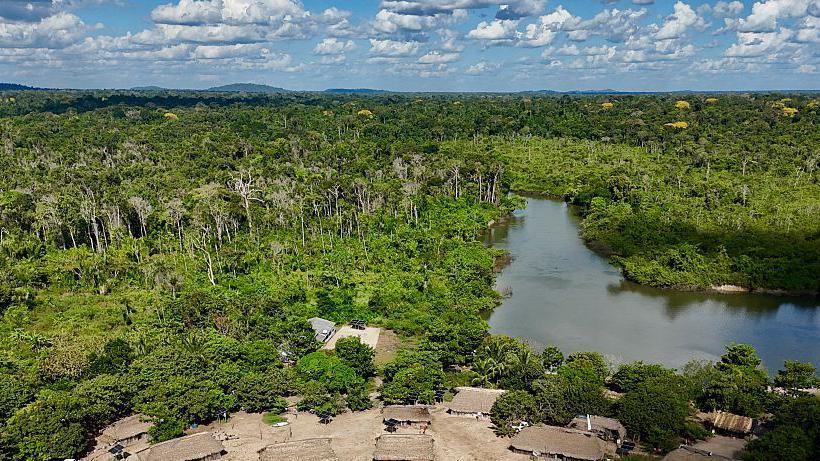
The latest MapBiomas assessment shows the Amazon burned only 3.1 million hectares in 2025, a 90 % cut from the 15.8 million hectares recorded last year. This figure represents the smallest burned area the agency has monitored since 1985.
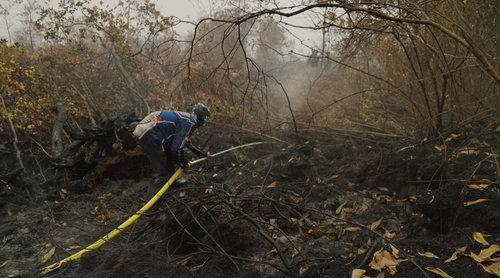
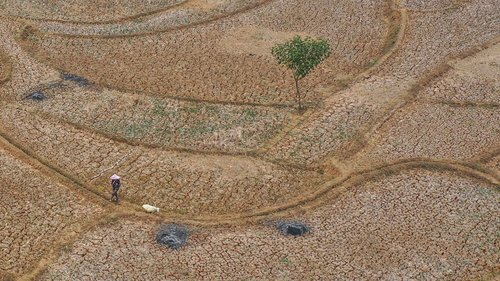
The steep fall follows sharp climbs in the prior year. 2024 marked the worst fire season in over two decades, with the Copernicus Climate Change Service attributing the surge to extreme weather and human activity. The fall in 2025 is partly a consequence of cooler La Niña‑driven conditions, which replaced the hotter El Niño that normally lengthens the dry season in the region.
Experts caution that a single year’s decline does not signal a stable trend. 2025 saw the lowest number of fires in forty‑one years, but MapBiomas highlights that prevention measures must persist while climate‑related risks remain high.
The reduction in burned area carries political weight for President Luiz Inácio Lula da Silva, who pledged zero deforestation when he ran for office four years ago. The new data support his environmental record and reinforce his campaign’s focus on sustainable development ahead of the October election.
The overall picture of Brazil in 2025, encompassing all regions, also saw a dip: 12.7 million hectares burned nationwide, compared to 30 million in 2024, the highest national figure occurring in 2007.
Beyond fire numbers, the Amazon continues to play a crucial role in global carbon sequestration. Healthy rainforest ecosystems absorb large amounts of atmospheric CO₂ and support diverse biodiversity. Yet repeated cycles of deforestation, logging, and agricultural expansion, coupled with rising temperatures, heighten the potential for larger, more destructive fires.
While President Lula’s policies have brought immediate improvements, critics point to ongoing controversies, such as the approval of oil exploration at the mouth of the Amazon River, calling for a more consistent alignment with conservation promises.