In brief
In Manhattan federal court, 28‑year‑old Luigi Mangione confessed to the murder of UnitedHealthcare chief executive Brian Thompson, admitting to a pre‑planned attack and the use of a 3‑D‑printed, silenced firearm. He pleaded guilty to interstate stalking that resulted in death, facing a maximum penalty of life imprisonment. Mangione also faces New York state charges that he may be barred from due to double‑jeopardy. The case highlights the intersection of anti‑gun measures, corporate accountability, and protracted legal battles over sentencing.
In a shocking turn of events, the Manhattan federal court heard the confession of Luigi Mangione, 28, who admitted to shooting and killing UnitedHealthcare chief executive Brian Thompson on 4 December 2024. Mangione told the judge, “I shot Mr Thompson in Manhattan and he died.”
The murder, carried out during a UnitedHealthcare investor conference, involved a 3‑D‑printed gun equipped with a silencer and an extended magazine. Mangione claimed he was motivated by a personal grievance with the healthcare system, citing chronic pain from a broken back as a key trigger for the assault.
The federal indictment charges Mangione with interstate stalking that resulted in death, a serious offense that carries a maximum sentence of life imprisonment under federal law. Prosecutors have recommended a 24‑to‑30 year term, but the judge retains ultimate sentencing authority.
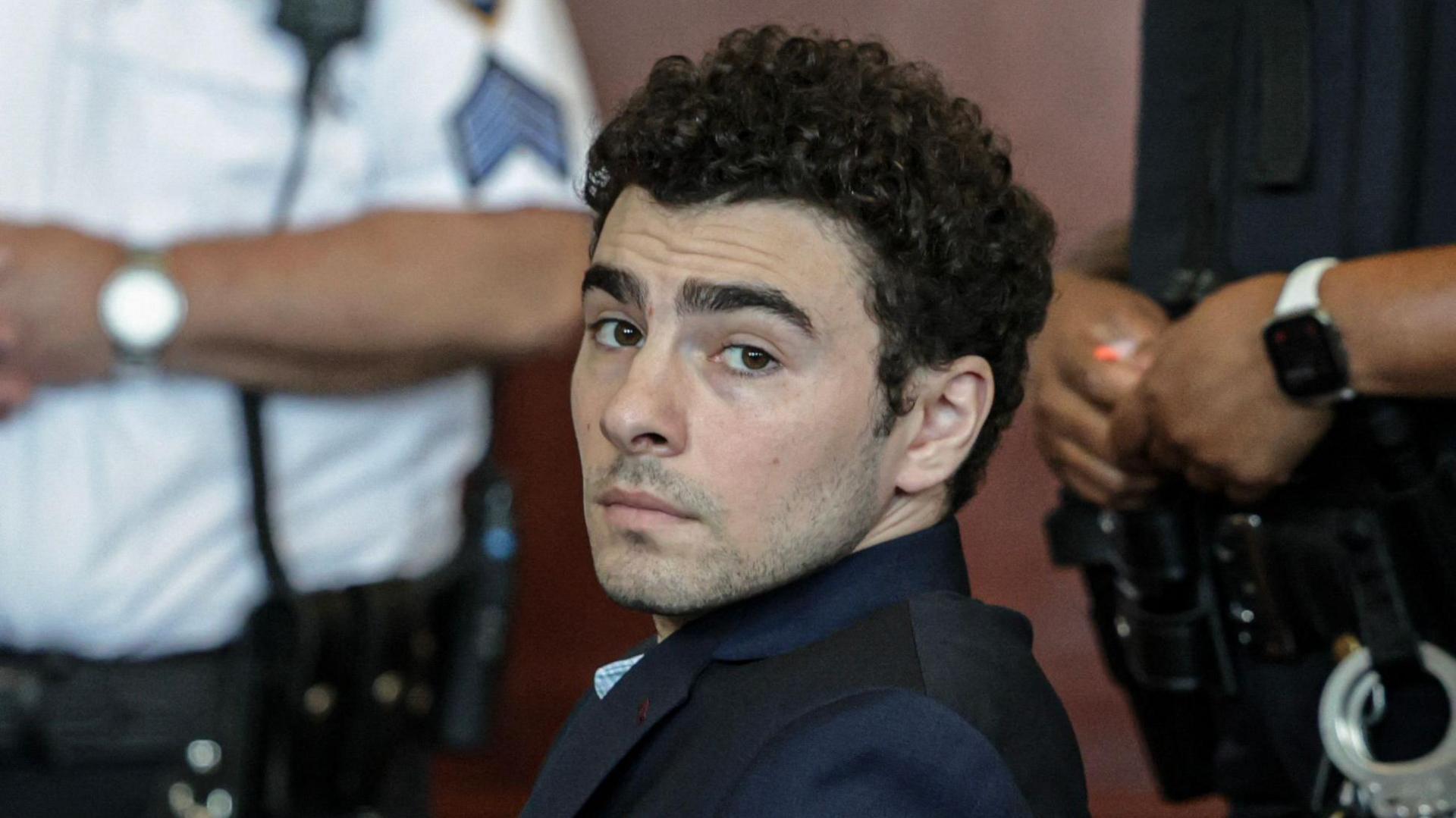
Mangione, pictured here in May, appeared in court in New York on Friday.
Mangione had initially entered a plea of not guilty in both federal and state cases. During a recent legal briefing, his attorneys indicated a shift: the defendant will plead guilty to the federal charges, potentially weakening his state prosecution under double‑jeopardy doctrine. The state case, slated to begin in September, includes second‑degree murder, possession of a forged instrument, and six counts of criminal possession of a weapon.
Family members of the slain CEO announced, “While nothing will ease the pain of losing him, we are grateful that the federal justice system has held the person responsible for this heinous act accountable.” They also noted the family’s intent to pursue justice in New York and Pennsylvania where Mangione was arrested.
The Manhattan District Attorney’s office, after the plea, reiterates its readiness to proceed with the state trial, emphasizing a commitment to justice for the Thompson family. Mangione’s acceptance of full responsibility in federal court has led his lawyers to argue that a state penalty would amount to double punishment for the same crime.
The case draws broader attention to the growing scrutiny of firearm manufacturing, the use of 3‑D‑printed weapons, and the larger debate around gun violence regulation in the United States. As sentencing looms on 18 December, all eyes will remain on how the legal system balances federal conviction with potential state charges amid the nation's ongoing debate over gun control and corporate accountability.