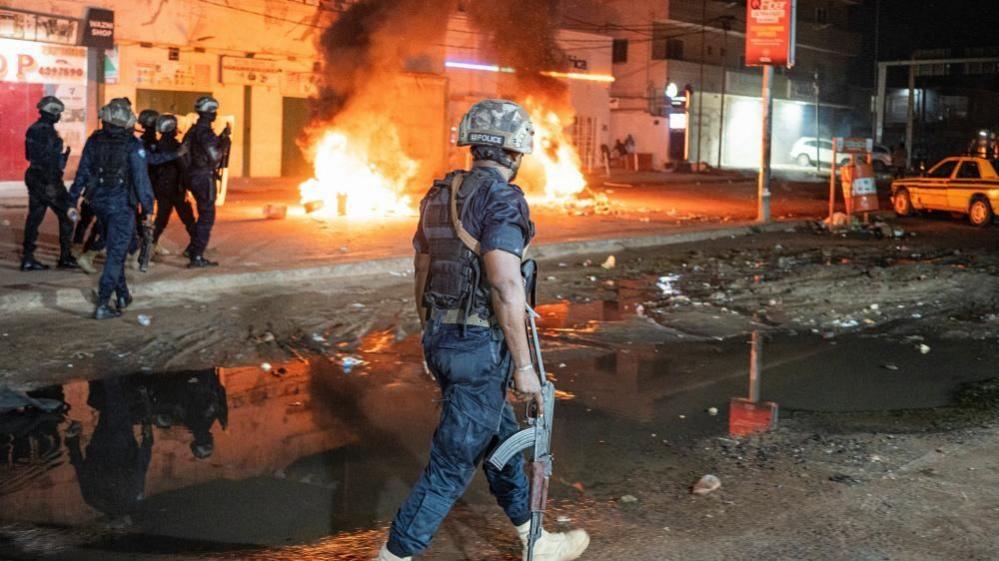
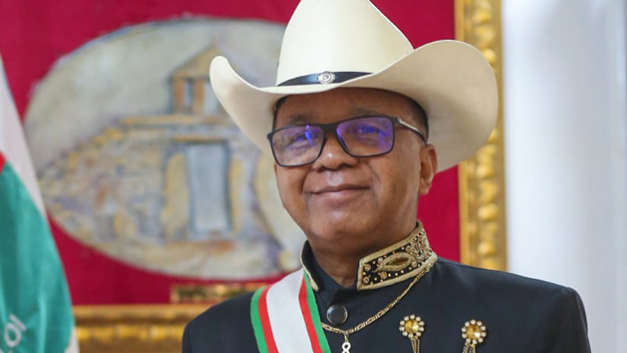
Thousands of people in Madagascar have taken to the streets in different parts of the country for the past week in the largest wave of protests the Indian Ocean island nation has witnessed in more than 15 years. What began as anger over shortages of basic necessities has rapidly escalated into one of the most serious challenges facing President Andry Rajoelina, who has been in power for the second time since 2018. On Monday, in response, he sacked his government but that did not placate the protesters.
At least 22 people have been killed and more than 100 others injured in the unrest, according to the UN; however, the Malagasy government has dismissed those figures and described them as based on 'rumours and misinformation'.
Pressure started to build following the arrest of two leading politicians on September 19, who had planned a peaceful demonstration in Antananarivo over chronic power and water supply problems. With state utility company Jirama struggling, many believe the arrests were an attempt to quash dissent, sparking outrage.
The protests have spread from the capital across eight other cities, with protesters waving banners denouncing blackouts and accusing the government of failing to guarantee basic rights. The youth-led movement, Gen Z Mada, and civil society groups have played a critical role in organizing these demonstrations.
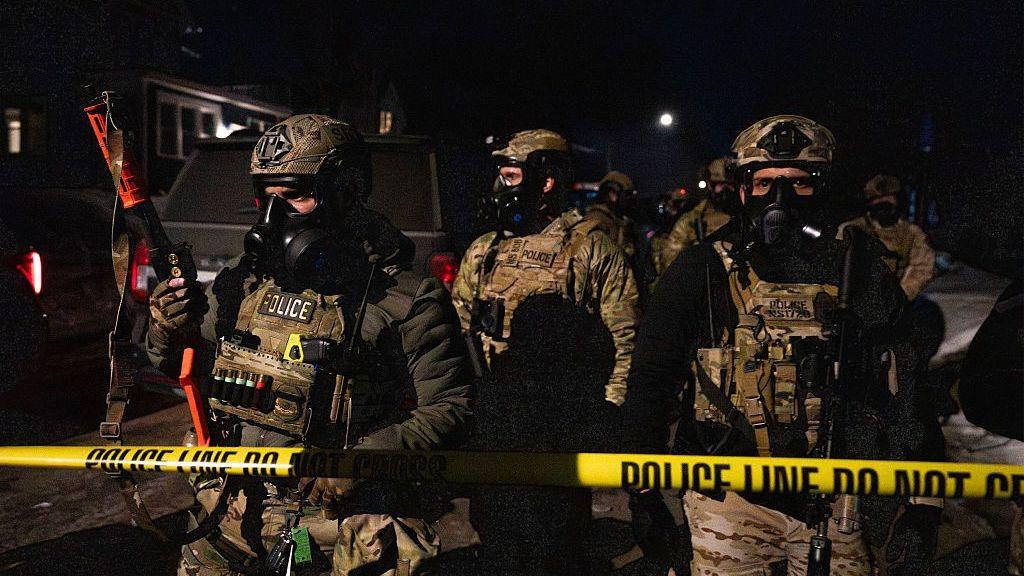
While Rajoelina's government has announced curfews and deployed security forces to curb the unrest, many citizens remain unconvinced. Protests are marked by calls for the president's resignation and broader political reforms as the country grapples with severe economic hardship and corruption. Political experts warn that without resolution, tensions may continue to escalate, potentially leading to prolonged instability in Madagascar.
At least 22 people have been killed and more than 100 others injured in the unrest, according to the UN; however, the Malagasy government has dismissed those figures and described them as based on 'rumours and misinformation'.
Pressure started to build following the arrest of two leading politicians on September 19, who had planned a peaceful demonstration in Antananarivo over chronic power and water supply problems. With state utility company Jirama struggling, many believe the arrests were an attempt to quash dissent, sparking outrage.
The protests have spread from the capital across eight other cities, with protesters waving banners denouncing blackouts and accusing the government of failing to guarantee basic rights. The youth-led movement, Gen Z Mada, and civil society groups have played a critical role in organizing these demonstrations.
While Rajoelina's government has announced curfews and deployed security forces to curb the unrest, many citizens remain unconvinced. Protests are marked by calls for the president's resignation and broader political reforms as the country grapples with severe economic hardship and corruption. Political experts warn that without resolution, tensions may continue to escalate, potentially leading to prolonged instability in Madagascar.