The shooting of two National Guard members, one of whom later died, in Washington DC has prompted drastic changes to immigration policy under the Trump administration, amid claims that the suspect entered the U.S. through a program initiated by President Biden.
The Department of Homeland Security (DHS) reported that the suspect, an Afghan named Rahmanullah Lakanwal, had been admitted under the Afghan resettlement scheme, Operation Allies Welcome (OAW), launched in August 2021 to assist vulnerable Afghans after the Taliban's takeover.
Trump and other Republican officials have voiced their concerns about the suspect's vetting process, claiming he was unvetted when he arrived in the U.S. and pointing to the DHS's recent suspension of all Afghan immigration requests pending a review of security measures.
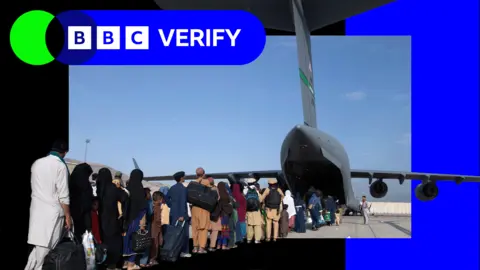
Lakanwal's case brings to light questions about the vetting effectiveness under the OAW program. The chaotic nature of the emergency evacuation has led to criticisms from experts and former officials regarding inconsistencies in the vetting procedures, which were supposed to include biometric checks, thorough background checks, and the involvement of multiple government agencies.
Despite assurances from the DHS about a robust vetting architecture, independent audits have found that many evacuees were allowed entry with incomplete or inaccurate information, raising serious national security concerns.
Alex Nowrasteh, an immigration analyst, asserted that the chaotic conditions of evacuation certainly played a role in the inconsistencies. Furthermore, reports from previous OIG audits have highlighted gaps in identification and vetting protocols, prompting calls for a more thorough review.
Although the current incidents have reignited criticism of the Biden administration’s policies, supporters of the Afghan resettlement programs argue that the vast majority of evacuees have posed no threat, emphasizing that the actions of a few should not discredit the entire community.
This incident represents the first major threat associated with the Afghan resettlement programs since their initiation, adding to the politically charged atmosphere surrounding immigration and national security in the U.S.