The most recent U.S. inflation report shows consumer prices climbed 3.4% in the year to July, a slight dip from the 3.5% increase recorded in June. This new figure, released by the Bureau of Labor Statistics, marks the first lower annual rise in more than a year.
Energy prices behaved as an outlier this month: gasoline fell 2.9% from June, but over the year it has surged by 24.6% as geopolitical tensions in the Middle East keep supply concerns alive. Housing costs, however, edged upward, contributing to a 0.1% month‑on‑month rise that kept the headline inflation higher.
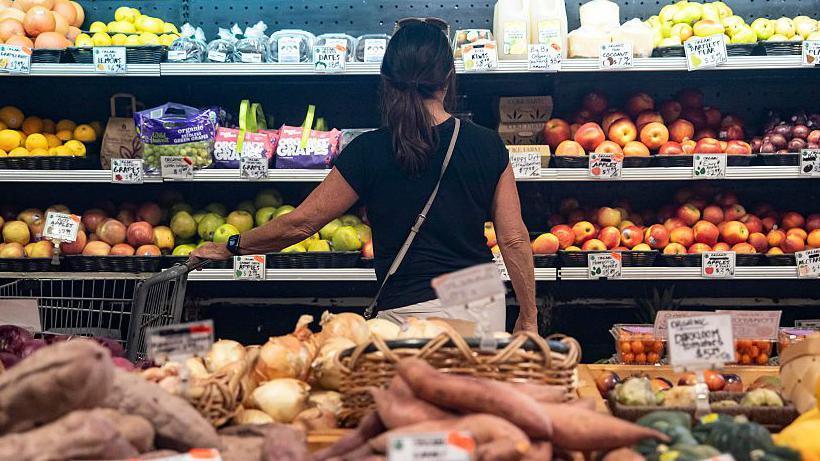
Food prices rose only marginally in July, and the growth rate was slower than in June, providing some relief to consumers. Coupled with the decline in energy, the overall CPI cooling trend is evident.
Core inflation—prices excluding food and energy—stood at 0.2% after remaining flat in June. The underlying numbers reflected small upticks in medical care and airline tickets, while car insurance premiums fell.
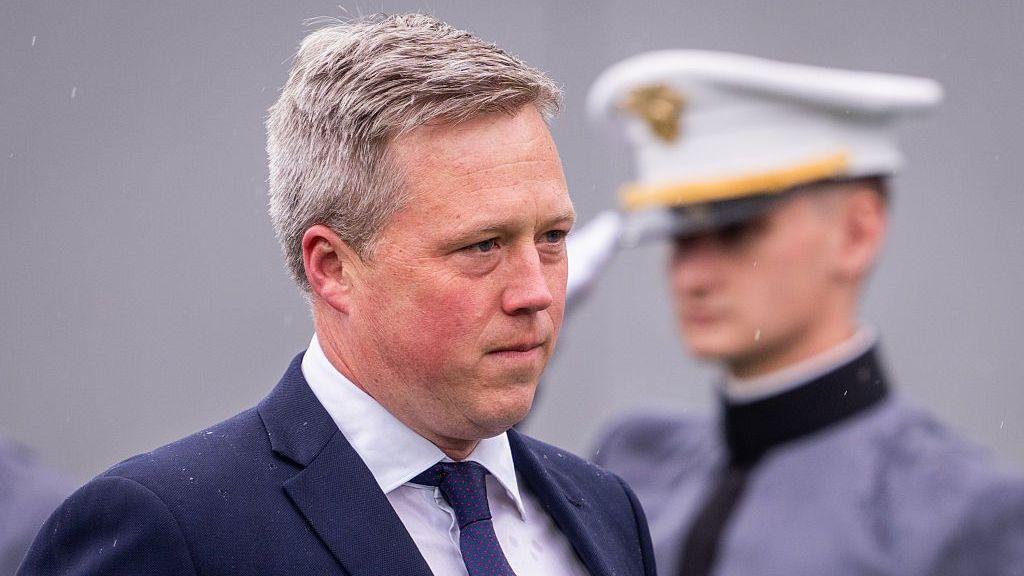
Federal Reserve Chair Kevin Warsh emphasized that the central bank’s priority is to keep inflation “moving down” and warned against expecting the Fed to reverse long‑running price increases with a “magic wand”. In a recent press briefing, Warsh noted that gradual cooling, rather than abrupt shocks, is the path forward.
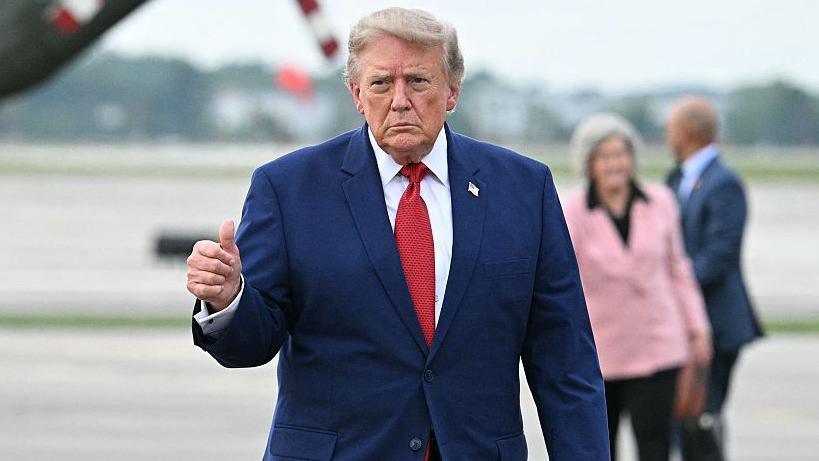
President Donald Trump, meanwhile, has reiterated that inflation remains too high for many families, citing rising rent and grocery bills as continuing concerns.
Financial markets responded with relative calm. Stocks showed little movement as the data largely matched expectations.
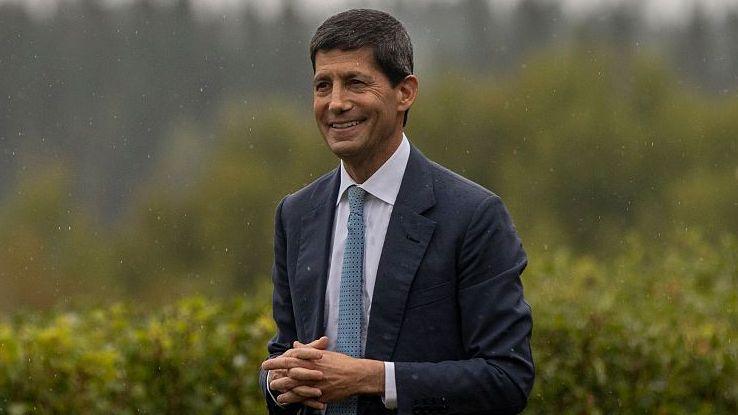
Chris Zaccarelli, chief investment officer at Northlight Asset Management, described the figures as “no big surprise” and that inflation is not reaccelerating. He added that recent job‑market concerns—highlighted by July’s employment report—provide the Fed with more room to wait before raising rates.
Jeffrey Roach, chief economist at LPL Financial, said the data indicated a “real decelerating course” for inflation, noting that July’s energy price drop helped soften overall monthly pressures. Bill Adams, chief U.S. economist at Fifth Third Commercial Bank, argued that the current reading keeps a narrow window open for the Fed to keep rates unchanged in September.
With inflation cooling and market sentiment remaining steady, analysts are watching closely for a possible pause in rate hikes in the upcoming September policy meeting, while prepared to react if price pressures begin to rise again.