
In brief
Former U.S. Marine Robert Gilman, sentenced to ten years in a Russian prison after an assault, was released after reports of severe mistreatment and a life‑threatening condition. President Trump said Russia agreed to the release on a humanitarian basis, and the U.S. government claims no prisoner swap occurred. Gilman's lawyer and supporters highlighted the harsh conditions, including long forced exercise sessions and psychotropic drugs, while U.S. officials urge the return of all American detainees. The case intensifies scrutiny over Russian treatment of foreign nationals and highlights diplomatic pressures for prisoner releases.
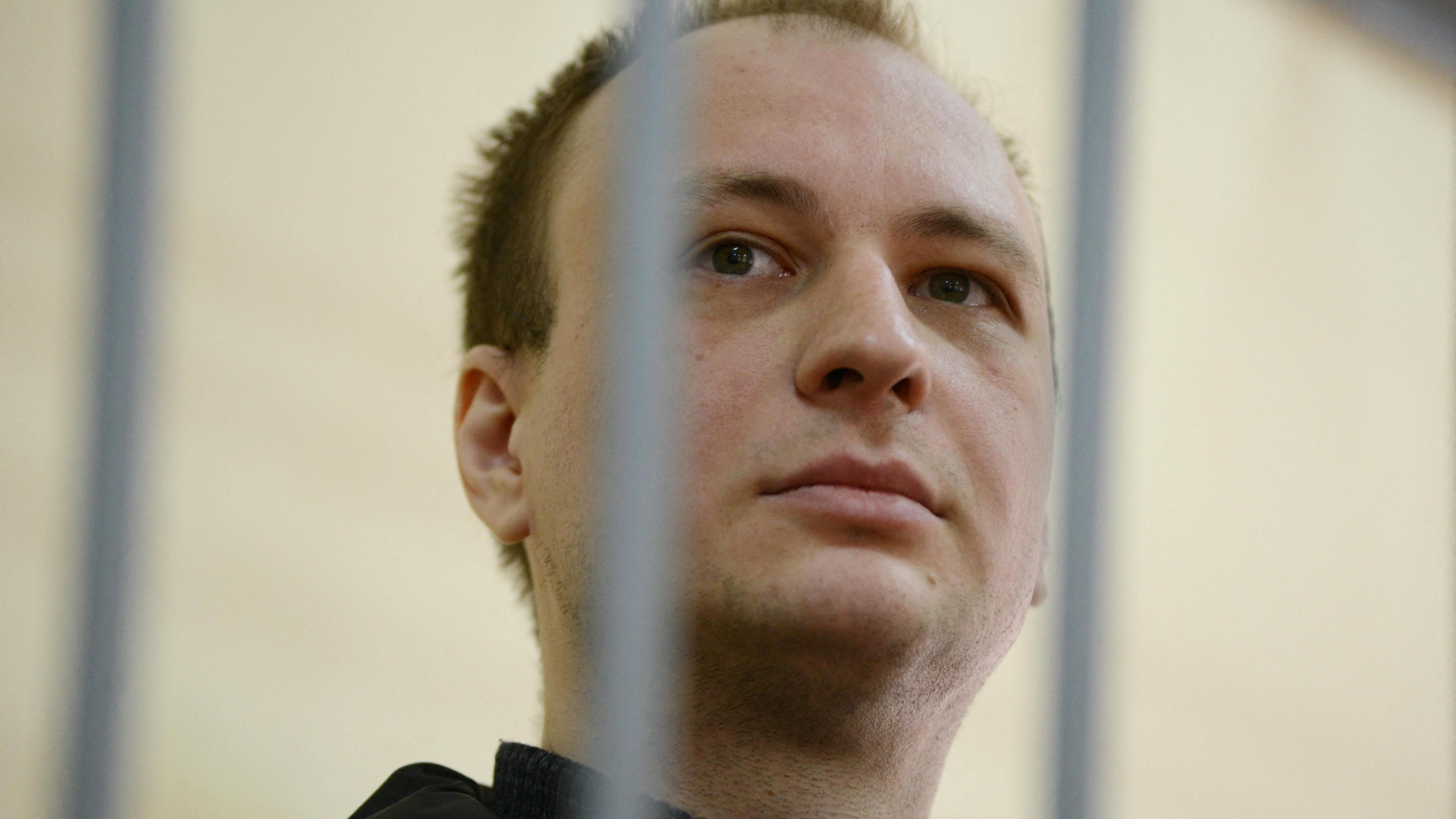
U.S. Marine Robert Gilman was freed from a Russian prison after a record of severe abuse, following a humanitarian appeal by President Donald Trump and support from Senator Ed Markey.
Background
Gilman, a Massachusetts native who served in the US Marines until August 2020, was arrested in 2022 after allegedly kicking a police officer on a train to Moscow while drunk. He was initially sentenced to three and a half years but a subsequent assault of prison guards increased his sentence to ten years.
Reports of Abuse
Investigators say he endured repeated harassment, forced exercise sessions lasting up to sixteen hours, and psychotropic drugs. At one point he required a feeding tube in his nose, according to his legal team.
Release and Diplomatic Response
Trump posted on Truth Social that Russia agreed to release Gilman on a humanitarian basis, with no prisoner swap arranged. Senator Markey confirmed the Marine’s health had deteriorated to a dissociative stupor, unable to interact or eat. Secretary of State Marco Rubio also posted on X urging the return of all unjustly detained Americans.
Aftermath and Further Detentions
There are still five other Americans detained in Russia, including Aleksandr Antonov, David Barnes, Olga Jezler, Andre Khachatoorian and Chuck Zimmerman, all facing medical issues. The case underscores U.S. concerns over Russia’s treatment of foreign detainees and compels ongoing diplomatic pressure for their release.

