Hundreds Arrested Over France’s Wildfire Tsunami
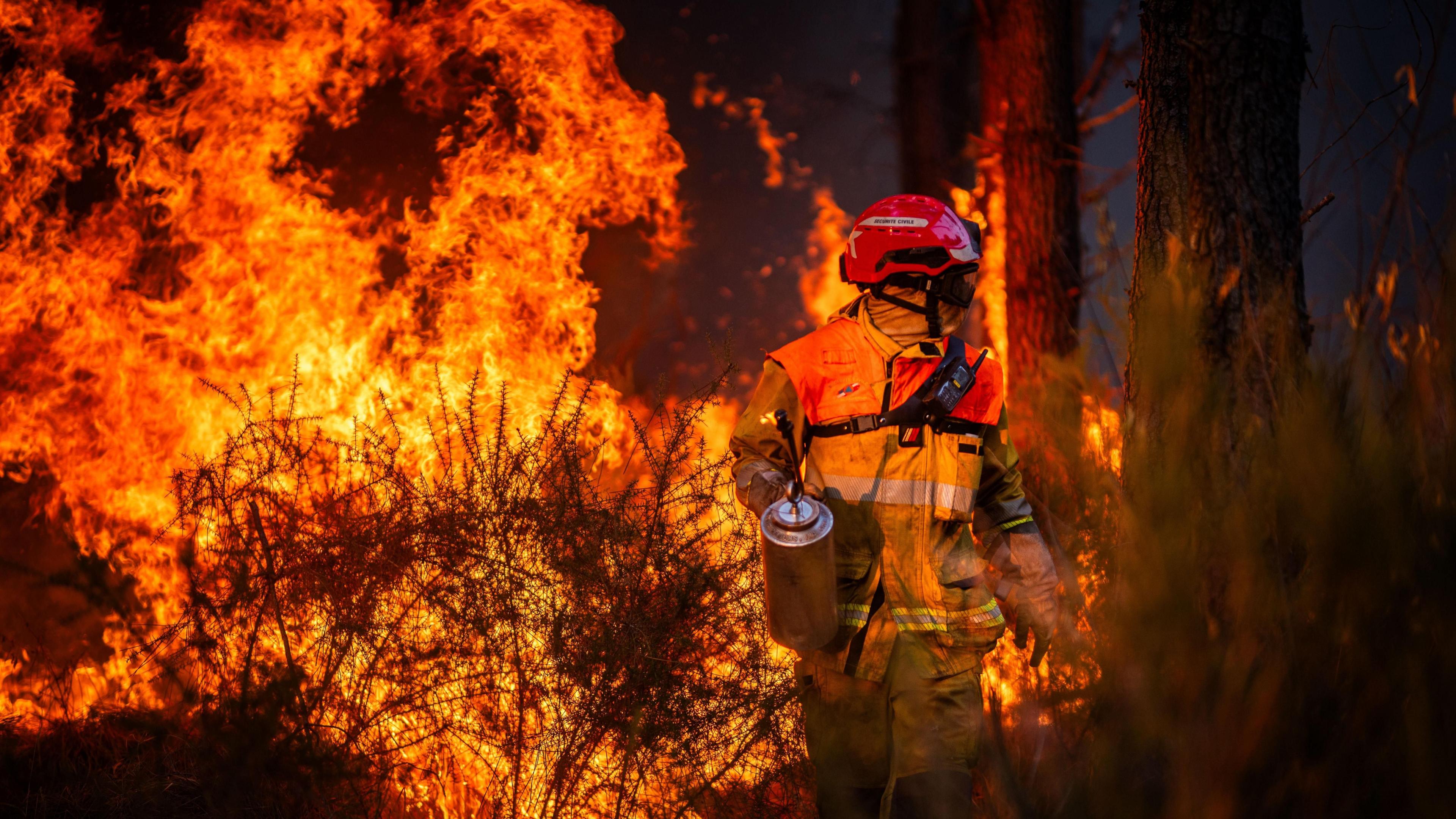
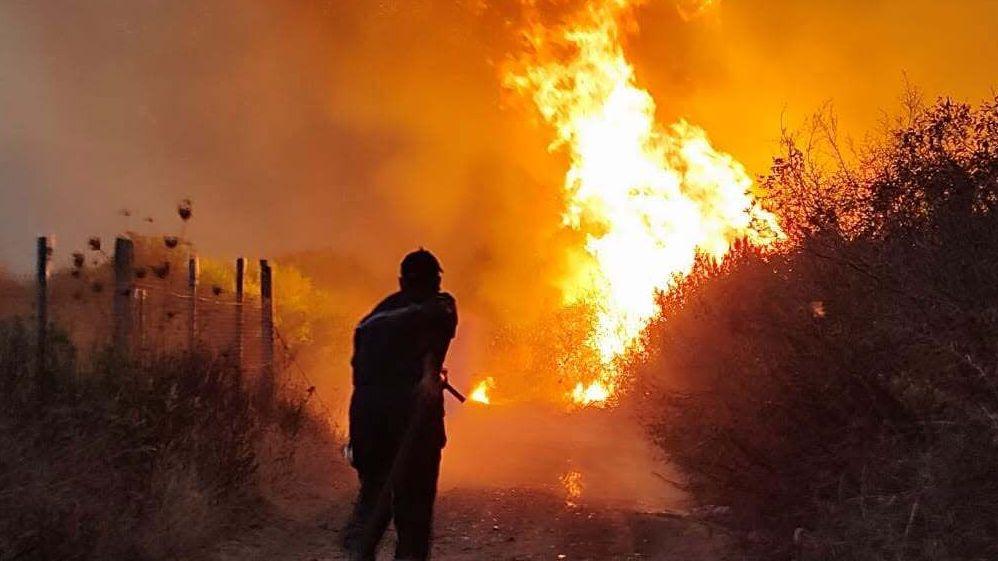
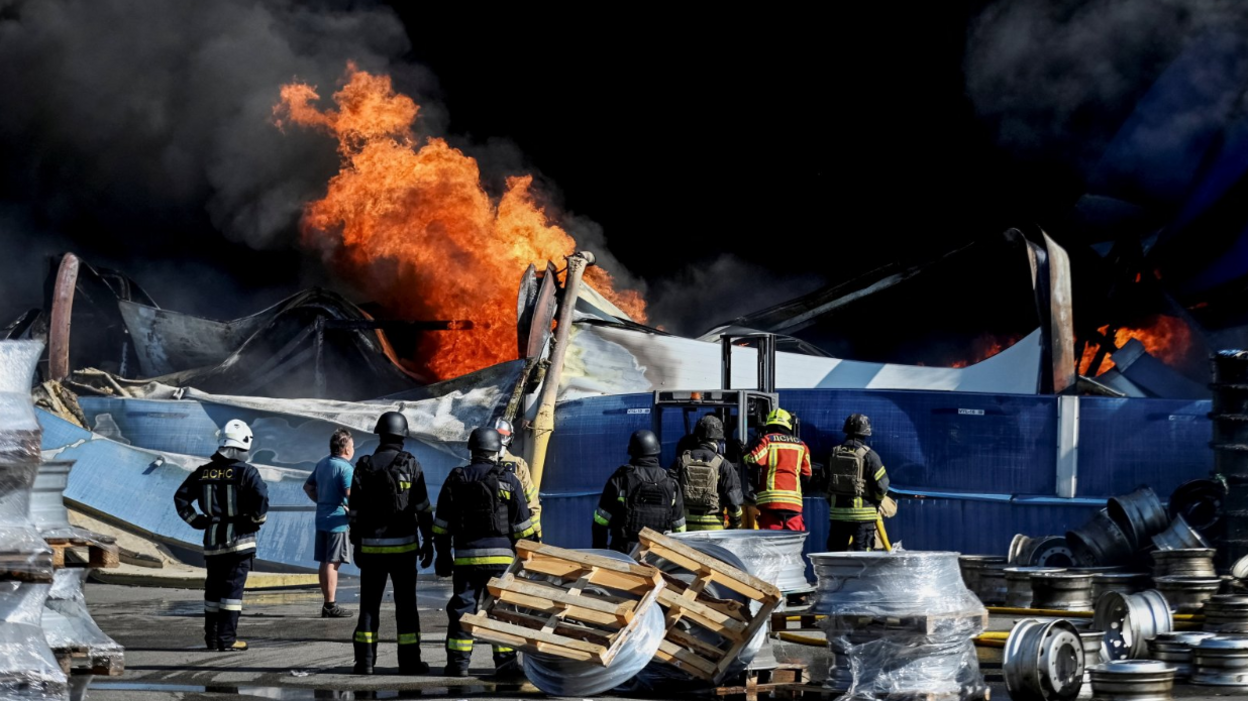
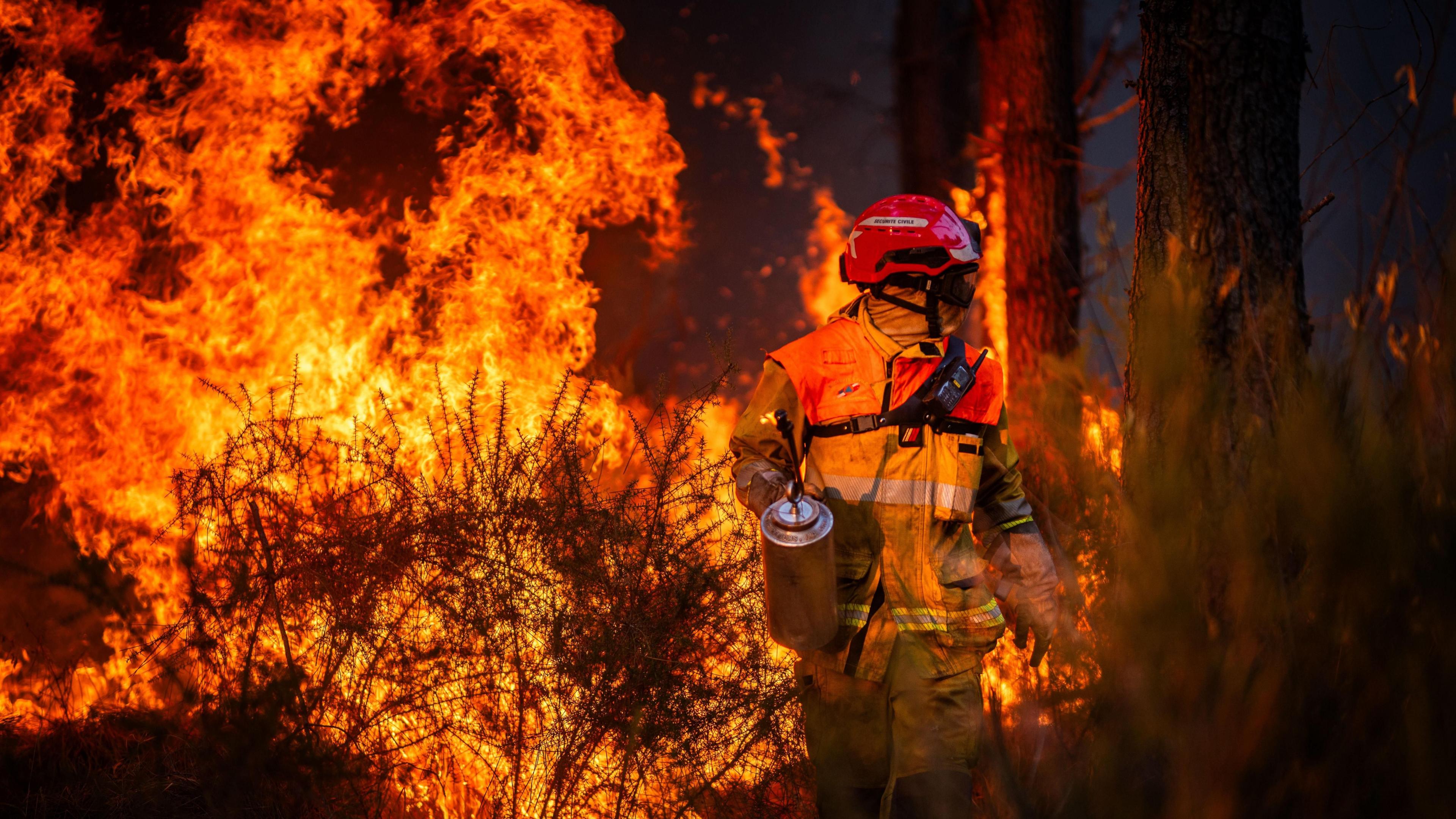
The summer of 2026 turned France into a tinderbox, with catastrophic fires consuming more than 300,000 acres across the south and west. The country’s interior ministry announced 420 arrests for alleged arson, including 166 minors and a 23‑year‑old facing 15 years in prison for intentionally starting ten blazes.
Experts say nine in ten fires in France are human‑initiated, yet they argue most are accidental, from faulty equipment to careless cigarettes. “A spark of a cigarette under the right conditions can ignite a forest fire,” police investigator Eric Dufayet explains, citing the “30 °C, 30 % humidity, 30 km/h wind” rule that makes ignition easier in today’s drought.
Critics worry the prosecutions are overly punitive and lack nuance. Lawyer Muriel Gestas notes that some jailed suspects—such as a homeless man and a volunteer firefighter—may have been convicted over trivial evidence. “I was amazed by the number of arrests; it feels excessive,” she says.
President Macron has called the fires “completely unprecedented” and urged the nation to focus on rebuilding forests adapted to climate realities. He stresses that punishment should not be the priority, stressing the need for “replanting and a different kind of forest.”
The debate continues over who is truly to blame: environmental change in France’s heatwaves, human error, or policy failures in fire prevention and enforcement. As the next heatwave approaches, the country must balance swift justice with transparent investigation.