U.S. inflation slows in July as food and fuel prices ease
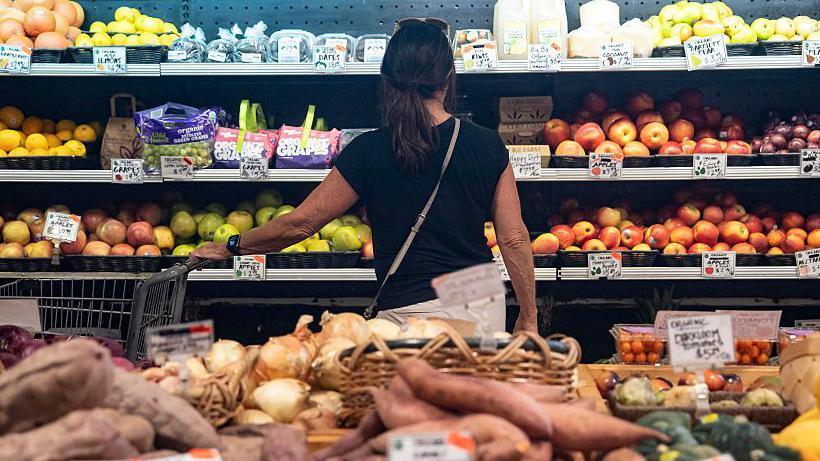
The U.S. Consumer Price Index rose 3.4 percent over the year to July, down slightly from the 3.5 percent recorded for June. Energy prices remain volatile amid ongoing Middle East tensions, but July gasoline prices fell 2.9 percent month‑to‑month even as they climbed 24.6 percent over the year.
Housing costs drove the small 0.1 percent rise in month‑to‑month inflation, illustrating the outsized impact of rent changes on the headline figure. Food prices moved modestly upward, and year‑over‑year food inflation slowed compared to the previous month.
The March‑released CPI for July shows that prices excluding food and energy edged up 0.2 percent after staying flat in June. Medical care and airline tickets increased, while car insurance costs fell.
Federal Reserve Chair Kevin Warsh updated the public on the bank’s priorities, stressing that the goal is to "keep inflation moving down" while avoiding unnecessary shocks to the economy. He noted the Fed cannot rely on a "magic wand" to reverse years of above‑target inflation and that patience will be essential as price growth cools gradually.
Political voices continue to highlight lingering cost of living concerns. President Donald Trump pointed to rent and grocery bills as evidence that inflation remains too high for many families.
Financial markets reacted calmly to the latest figures, with stocks largely unchanged as the data matched expectations. A recent labor market report also softened expectations for further rate hikes after a decline in job growth was reported for July.