Trump Signs Order Renaming Lake Ontario to Lake America Amid Trade Tensions
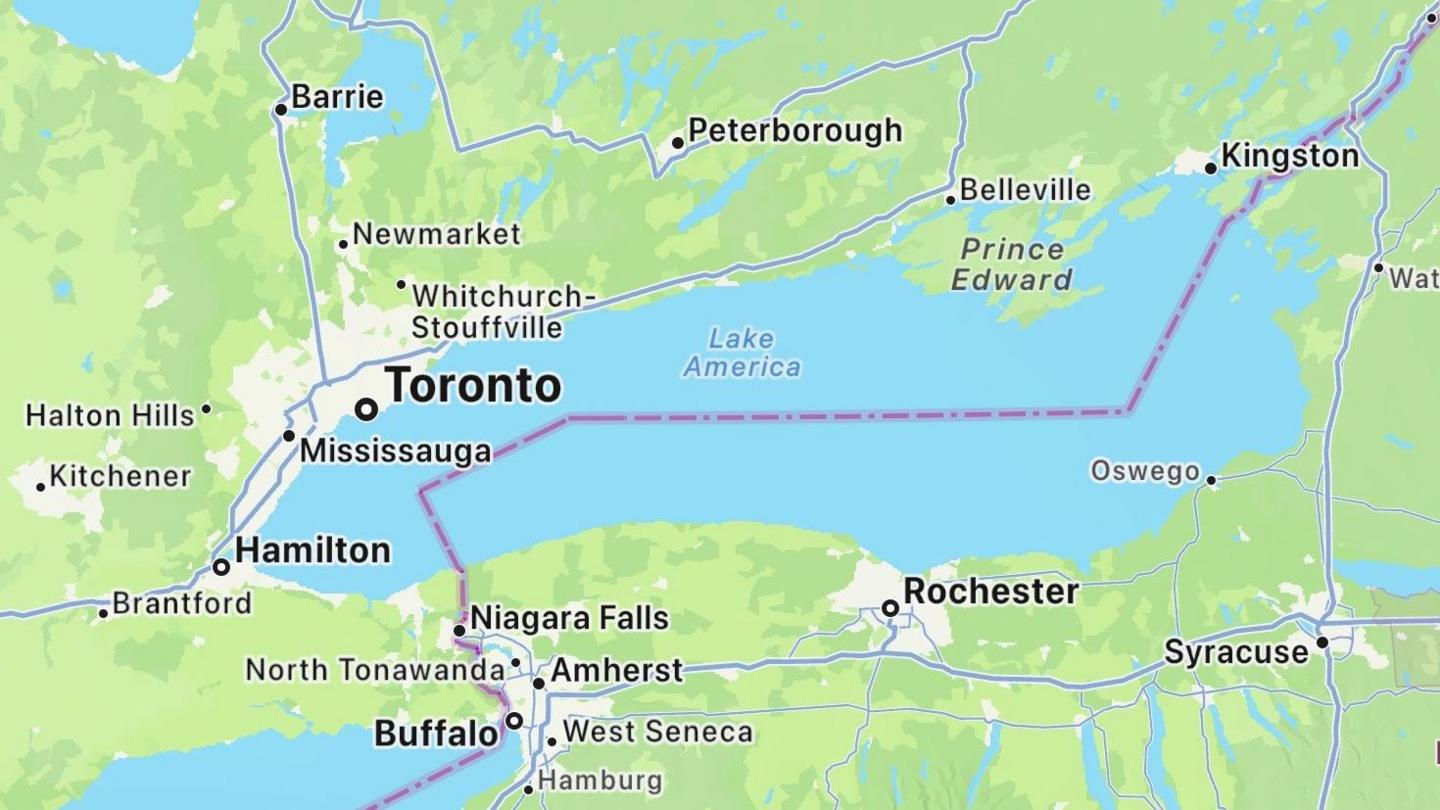
In the Oval Office, former President Donald Trump signed an executive order that changes the name of the Great Lake shared by the United States and Canada from Lake Ontario to Lake America. The act is part of an escalating trade conflict that erupted after Canada and the U.S. broke down on negotiations involving tariffs, cultural policy and market access.
The United States announced 50 percent tariffs on 20 billion dollars of Canadian imports, while Canada plans to impose matching retaliatory tariffs in advance of its next trade meeting. These moves set the stage for the official renaming order, a sweeping symbolic gesture aimed at underscoring U.S. sovereignty and influence.
The Great Lakes—Ontario, Huron, Michigan, Erie and Superior—have names rooted in indigenous, French and English origins. Lake Ontario holds the shortest shoreline of the five and is a key fixture in U.S.-Canada relations. Renaming it was a direct affront to Canadian historical identity and a warning that the U.S. seeks to assert control over shared natural landmarks.
The order directs the Department of the Interior to update the Geographic Names Information Service, the official U.S. database of all geographic names. While the U.S. may change its own map records, Canada is not bound to adopt the new designation and has publicly dismissed the proposal. Industry Minister Melanie Joly stated, We will keep calling this place Lake Ontario, and we will keep doing so forever.
The decision echoes a 2025 order in which Trump rebranded the Gulf of Mexico as Gulf of America, provoking backlash from Mexico and drawing criticism from international mapping services such as Google Maps that display differing names based on user location.
Political observers regard the renaming as a symbolic tool that may be leveraged in negotiations, rather than a pure legal overhaul. The U.S. perspective frames it as a “message” to a trade partner that has reportedly abused U.S. top‑tier trade benefits for a long time, while Canada counters that it remains proud of its historical and linguistic integrity.
Even as the U.S. team forward declares its intent to change other waterway names in the future, both sides might still seek a path back to the negotiating table. Canadian officials are already highlighting commitments to maintain French‑language requirements and cultural protections, with the expectation that a new agreement could respect Canadian sovereignty. The outcome will depend on whether both countries can reconcile their competing narratives over shared geography and trade dominance.