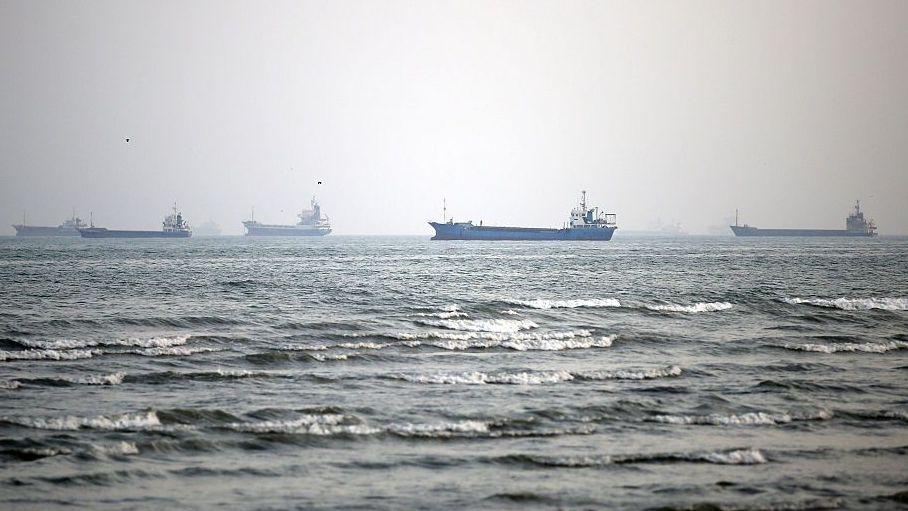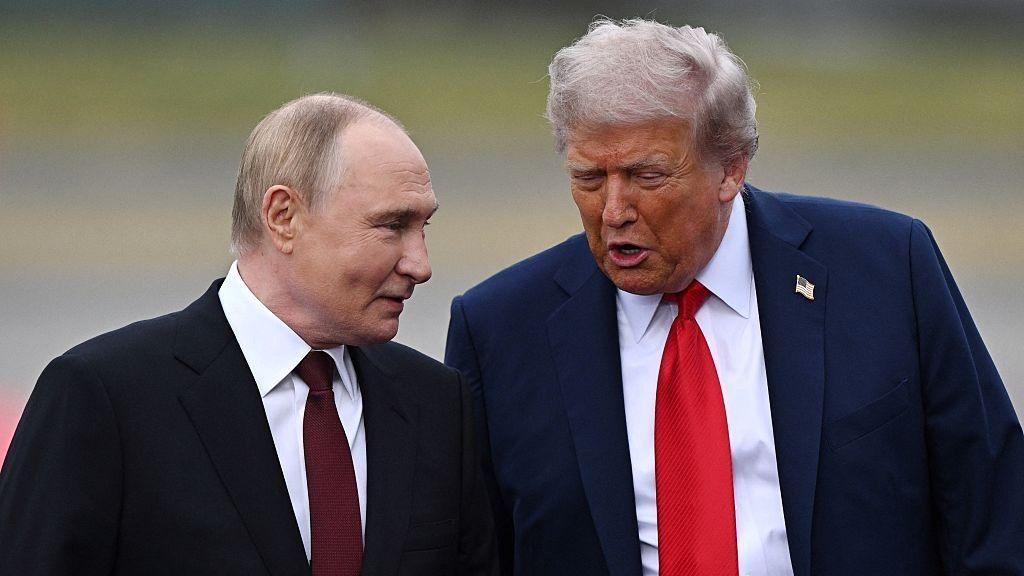

The United States rode a frantic wave of gas‑price hikes in recent months that proved costly for households and the agricultural heartland. To placate a battered electorate, President Trump has quietly secured an agreement with Russian President Vladimir Putin to ship diesel to American markets, an outcome that trumps the very sanctions he signed just weeks earlier.
The deal was unveiled after Trump’s administration pushed European allies to tap their oil reserves and announced a temporary tax cut for diesel used in interstate trucking. An on‑air Truth Social post claimed the new supply would keep farmers and truckers breathing easier, though experts predict the volume – 300,000 tons – is only about half of the nation’s daily consumption.
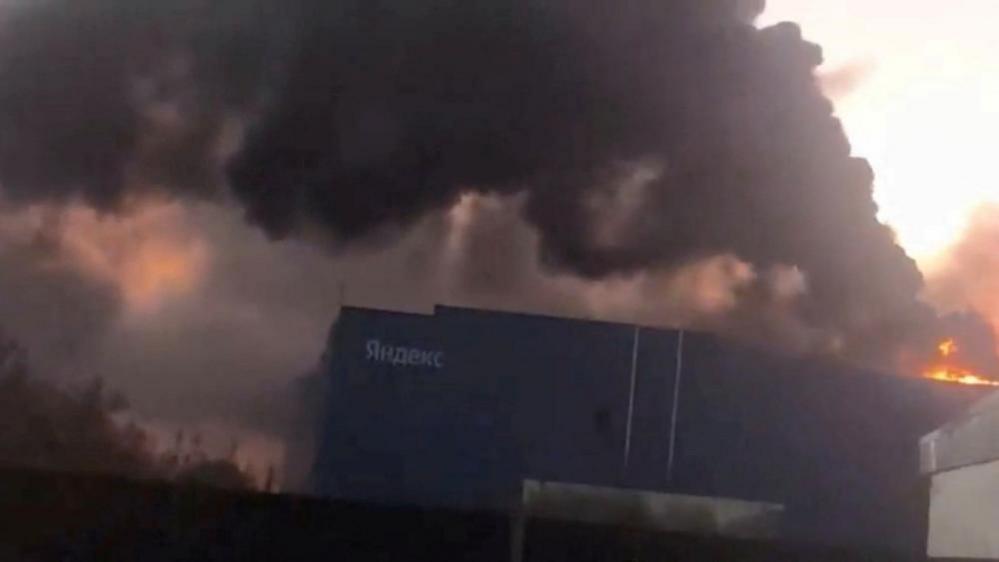
Chilling side‑effects loom. The Kremlin’s diesel refineries suffered repeated strikes, cuts that Trump publicly urged Zelensky to limit. Supplying fuel could be viewed as providing hard currency to a war‑financed regime, a move that distances the administration from NATO allies and invites scrutiny from both sides of the aisle.
Political observers note that the immediate impact on pump prices will be minimal. With the midterm ballot days just weeks away, the deal’s effect on voter perception is uncertain: a promise of economic relief may appeal to some, yet the moral and diplomatic costs could alienate others.
As the debate deepens, Trump’s rhetoric remains centered on “lower gas prices for farmers, ranchers and truckers.” Whether that promise translates into tangible benefits ahead of November remains to be seen, but the agreement marks a stark pivot amid a campaign landscape where every headline counts.