A city on the brink: when war meets winter
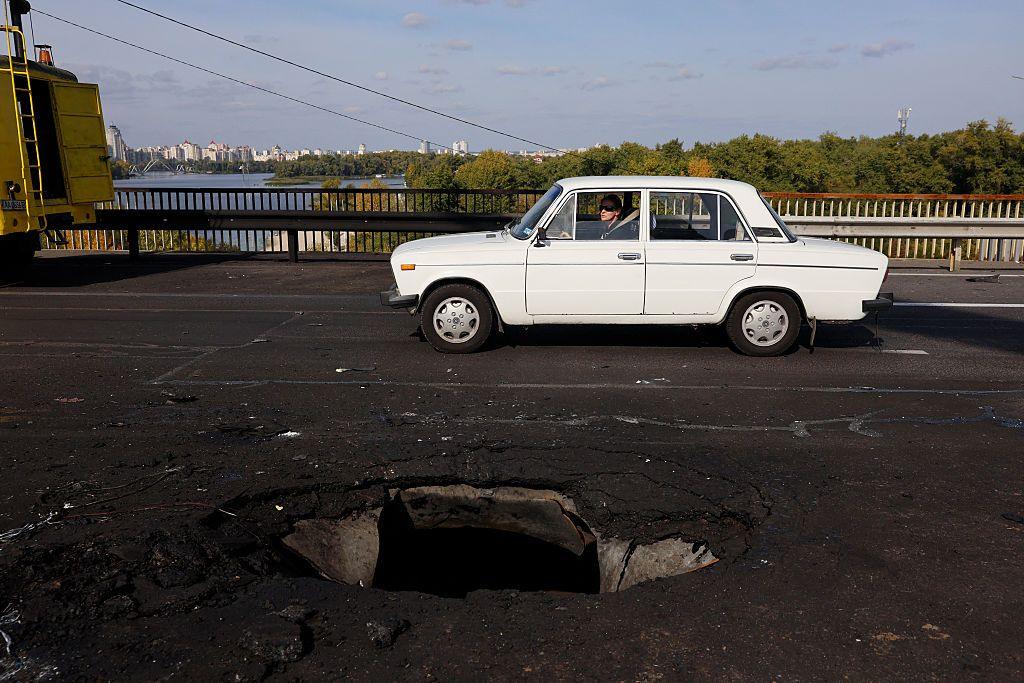
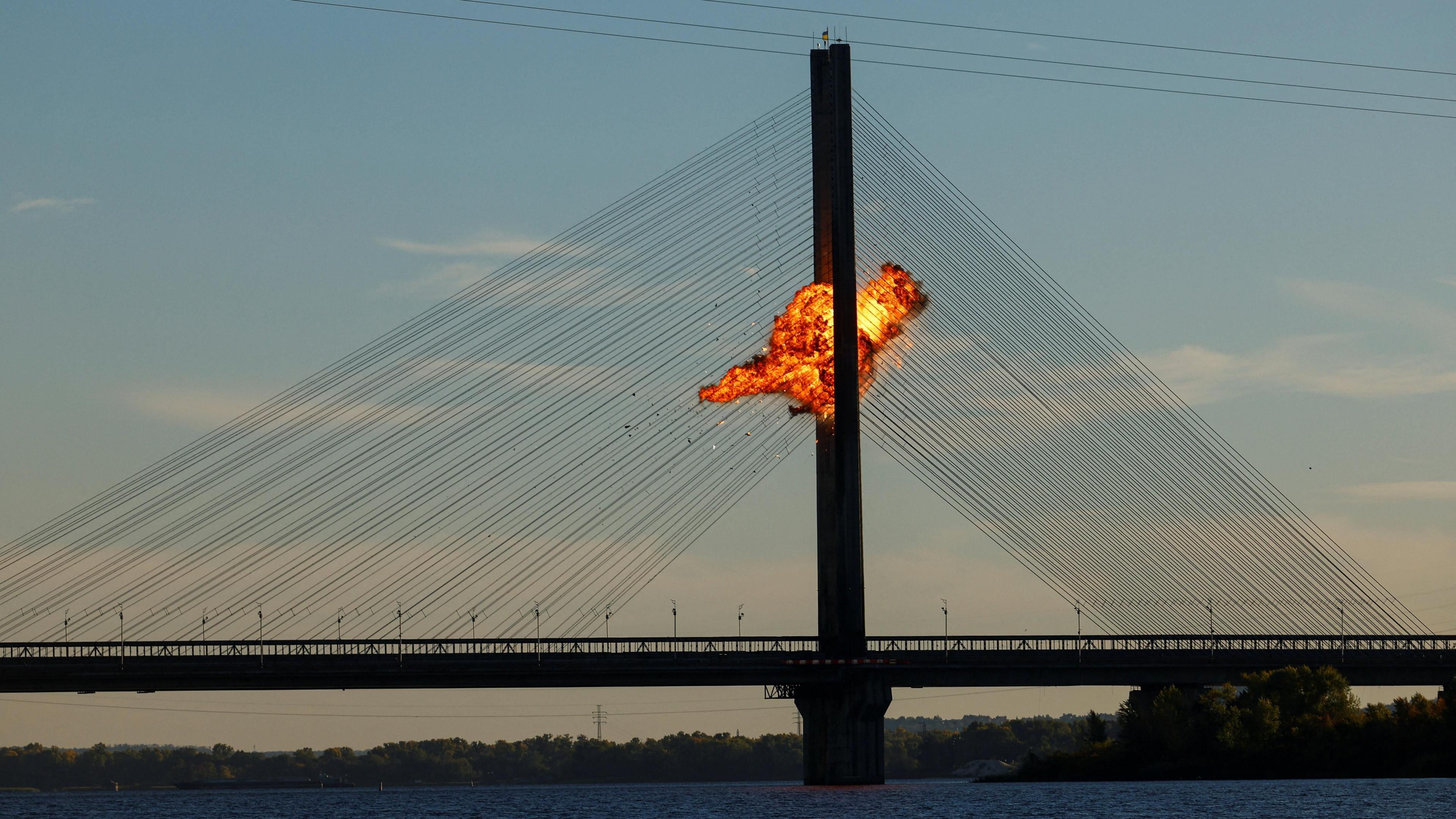
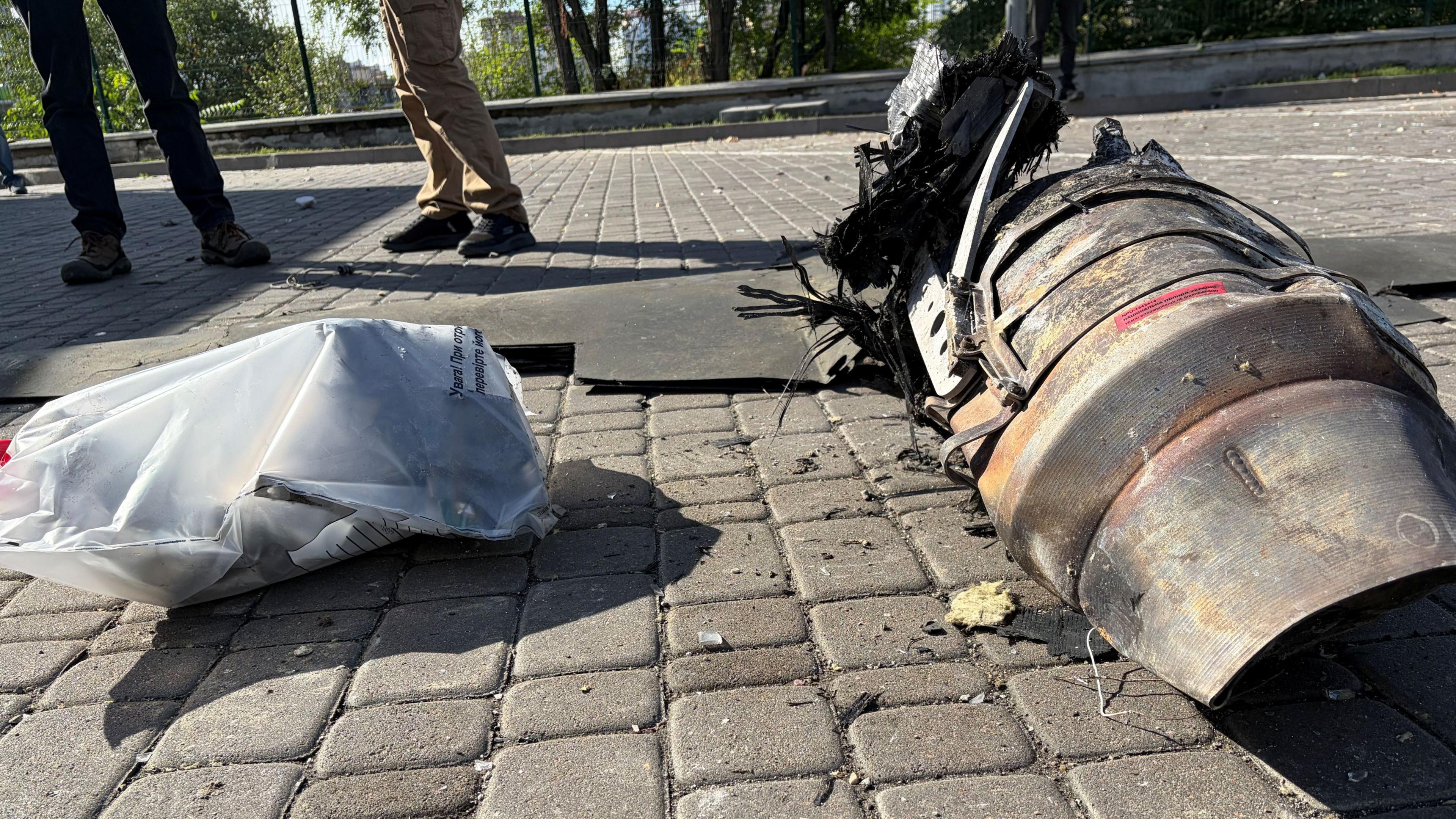
The bitter winters of recent years have seen Kyiv residents rattling their doors, treading on cracked pavements while Russian aerial attacks break the city’s hushed silence. The new wave of bombardments—launches that no longer swerve outside the slide of the capital but descend straight into its heart—has added a core of dread to an already stoic winter heat‑exhaust crisis.
Mariia Shostak, a mother of two, says she no longer plans to brave another months‑long sub‑zero clamp. “Last year’s winter was the hardest, with power cuttings and icy nights that made it unbearable. I cannot imagine all this again,” she told us. “We had to move as if a storm had hit the centre of the city.”
A recent survey from the Gradus research group revealed that 40 % of Ukrainians consider relocation if living conditions deteriorate, 35 % prefer to stay, and 25 % are uncertain. Those who favour leaving point to both warming holiday reaches like Egypt and quieter rural retreats.
A notable example is Olena Konoplia, who is ending her life on the street, gathering support for her new cottage two hours from Kyiv. She chose a “no‑factory, no‑factory” basin to avoid being a target. “The snow sirens stopped, and I could stay low to work without fear,” she shares.
For families like Iryna and Polina, the relentless cold is paralleled by escalating anxiety. The little daughter has “neurosis” triggered by every blast, setting off vomiting and shaking before her mother’s own high‑risk job in a charity scheme could become a station to return to. The couple is weighing a likely move to Poland or staying put at the start of this new winter.
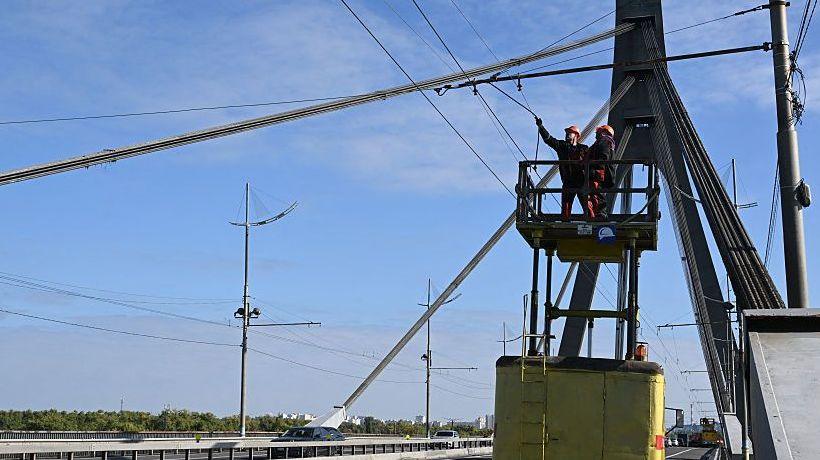
Efforts to stabilize Kyiv have seen a network of 15 fortified micro‑power plants appear in nearby forested areas, each protected by hefty steel cages. Yet fresh reports of scheduled blackouts and empty supermarket aisles keep residents on edge. The mayor’s clarion call that the capital is a “target number one” does not yet spark mass exodus, but it does echo a growing sense of urgency.
The winter is more than sub‑freezing air—it is a new dimension to an ongoing assault. Families are deciding between staying amid the frigid fury and fleeing for safety or a sliver of warmth. Every abandoned apartment block whispers the same question: will this be the last time Kyiv stands where it once did?