Ex‑Ukrainian Security Officer Breaks Silence on Monaco Bomb Plot Targeting Millionaire
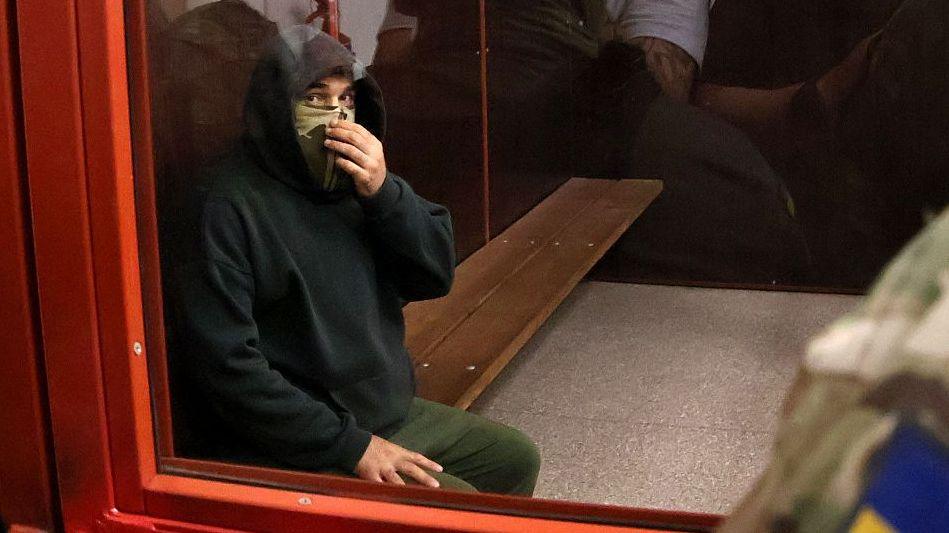
A former Ukrainian security services officer has, for the first time, given a full account of the June bombing that injured business‑magnate Vadym Yermolayev and his family on the Monaco seafront. Speaking from a police cell in Kyiv, Vitalii Zhykovych says the operation was ordered by senior members of Ukraine’s Main Intelligence Directorate (HUR) and that he simply acted under instruction.
Zhykovych identifies Vladyslav Reut—an active‑duty HUR officer credited with persuading his aide, an unknown Ukrainian‑born woman, to plant the device—as the key planner. In his interview, he claims Reut told him the target was a retaliation for “funding the annexation of Crimea,” a tactic that supposedly justified an extrajudicial strike against a businessman whose companies had ties to Russia‑occupied Crimea.
The bomb exploded just as Yermolayev, a 36‑year‑old former Ukrainian citizen who now holds Cypriot passports, and his 13‑year‑old son were returning from dinner on the Mediterranean shore. The blast caused severe injuries to the victim’s son and partner, while Yermolayev described the near‑miss as “nothing short of a miracle.” He has dismissed speculation that organized‑crime groups could have been involved and has called for “the truth, protection, and justice.”
Meanwhile, the woman believed to be the bomber—Anastasia Berezovska—was traced to a remote woodland in Ukraine where she was found shot dead with a gunshot to the head. Both Zhykovych and Reut accuse each other of ordering his killing, and investigators are probing the murder as part of a broader inquiry into the bombing and covert operations linked to the HUR.
The revelations follow a series of odd testimonies: Reut initially confessed to investigators, leading them to the burial site, only to change his story in court to blame Zhykovych. Zhykovych maintains he was neither a planner nor a participant, insisting the operation was a clandestine mission carried out by a sub‑unit of the SBU.
The fallout has intensified scrutiny of HUR’s alleged role in politically motivated attacks. Ukraine’s intelligence agency has offered “full investigation” support to law‑enforcement authorities, while the government and Parliament have called for a review of covert operations.
The case raises shadowy questions about the extent to which state intelligence services may conduct extrajudicial actions abroad, the status of targeted individuals, and the accountability mechanisms within Ukraine’s security apparatus.