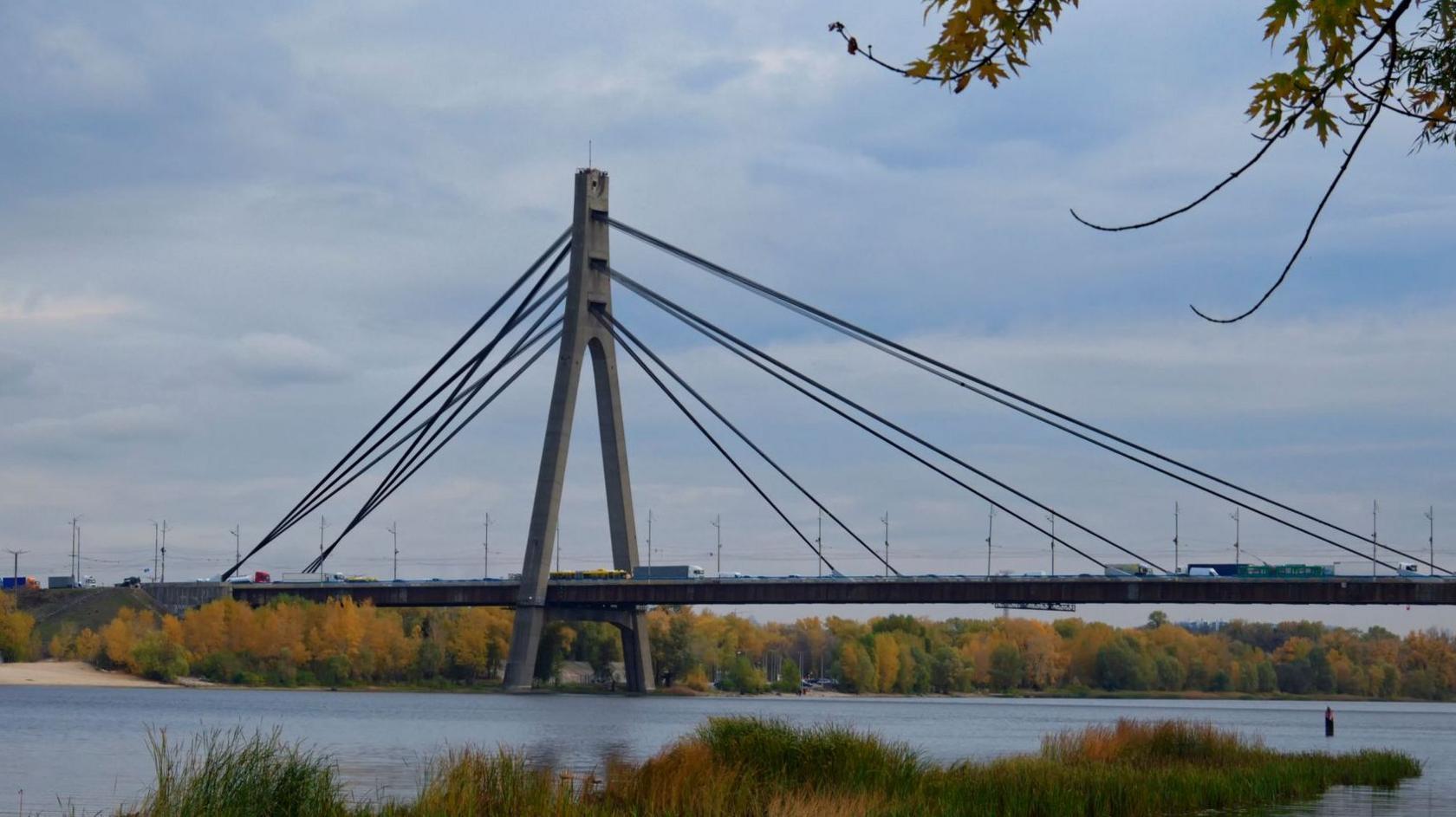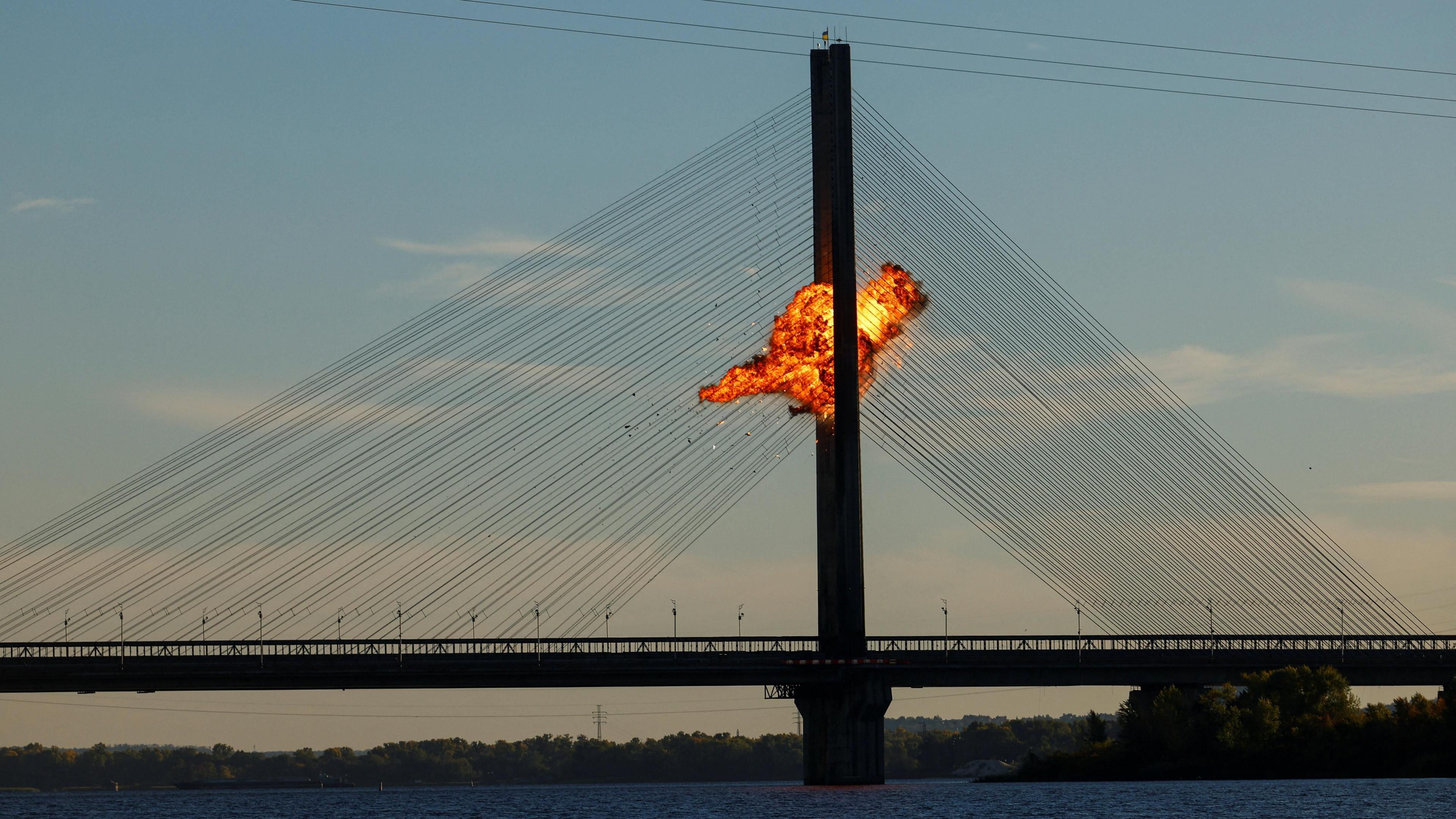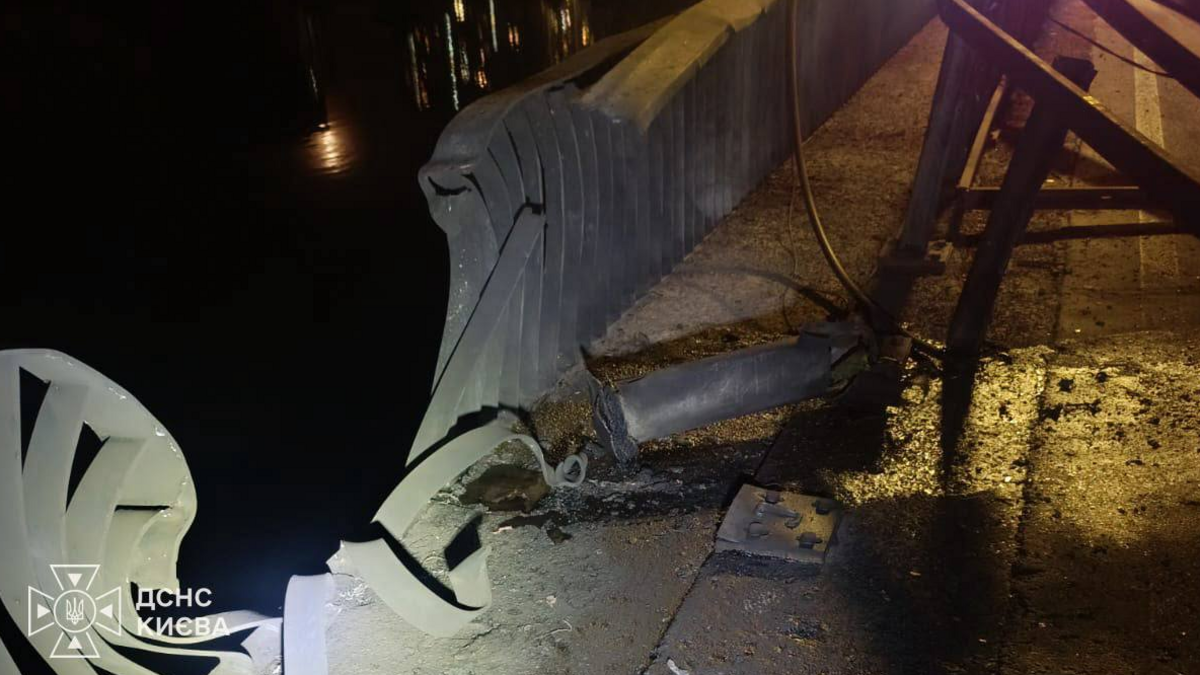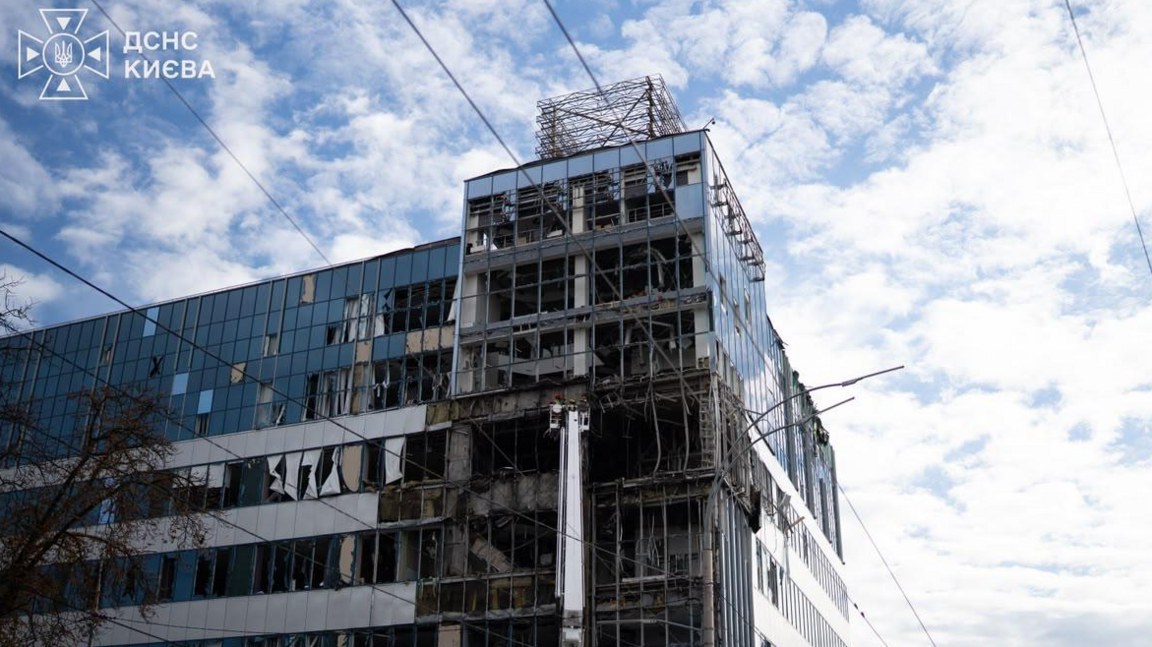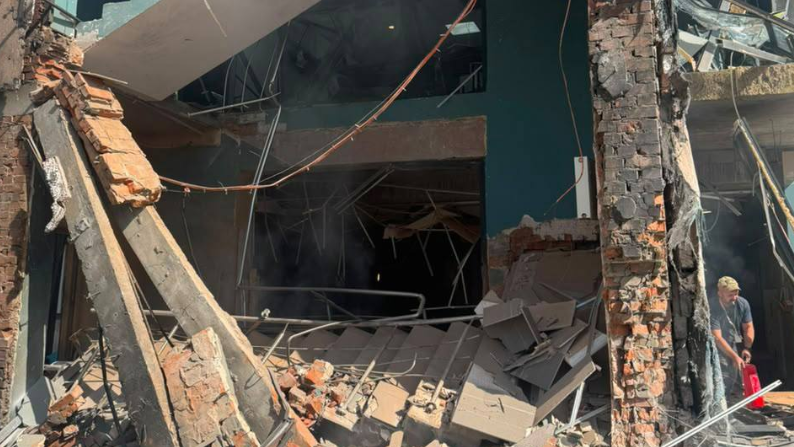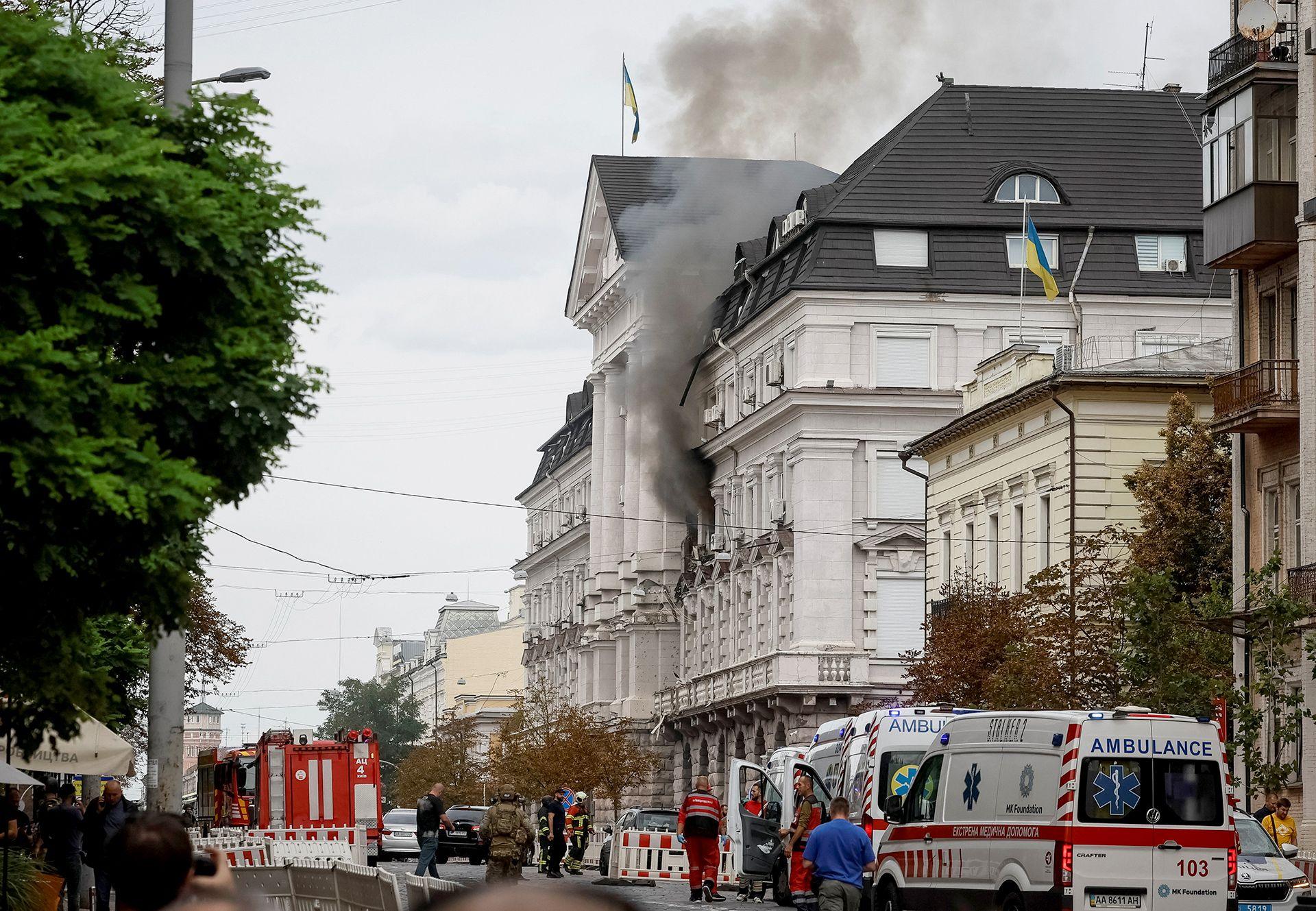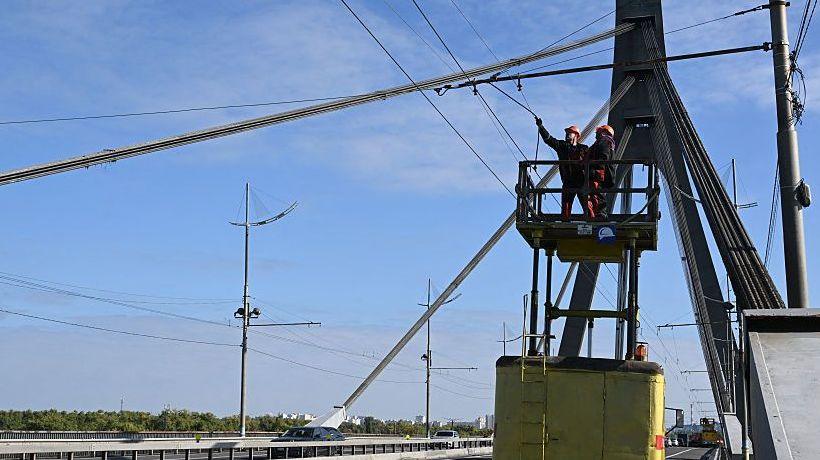
Hard‑hat crews in Kyiv scrambled to patch the Pivnichnyi Bridge after a second drone strike knocked a heating main out of commission, leaving the north‑eastern district without hot water for hours.
The fall of the bridge’s road deck came a day after the first strike, a pattern that echoes a new wave of Russian attacks aimed at Ukraine’s high‑value infrastructure.
In the same window, German Chancellor Friedrich Merz landed by train in Kyiv, a surprise visit that ended with a series of X‑posts pledging bolstered air‑defence support and underscoring Germany’s stake in the outcome of the war.
Russian officials cite the strikes as retaliation for Ukrainian raids on Russian energy sites, but analysts note that repeated drone hits on the bridge could compromise its structural integrity and force a temporary closure, crippling a vital cross‑river artery.
Kyiv’s Defence Council convened a crisis meeting following the attack on the Pivdennyi Bridge earlier in the week, warning that Moscow’s focus on critical infrastructure, logistics and housing signals a potential escalation in urban warfare tactics.
With the city now in what officials describe as a “very dramatic situation”, Kyiv is preparing to safeguard the remaining Y‑river crossings amid relentless aerial pressure.
The events underline a fundamental shift in the Ukrainian war strategy: protecting bridges and pipelines has suddenly become as crucial as advancing frontlines, and international partners are recalibrating their aid packages accordingly.