Symbolic Kyiv‑Moscow Meetings Show No Resolution Yet
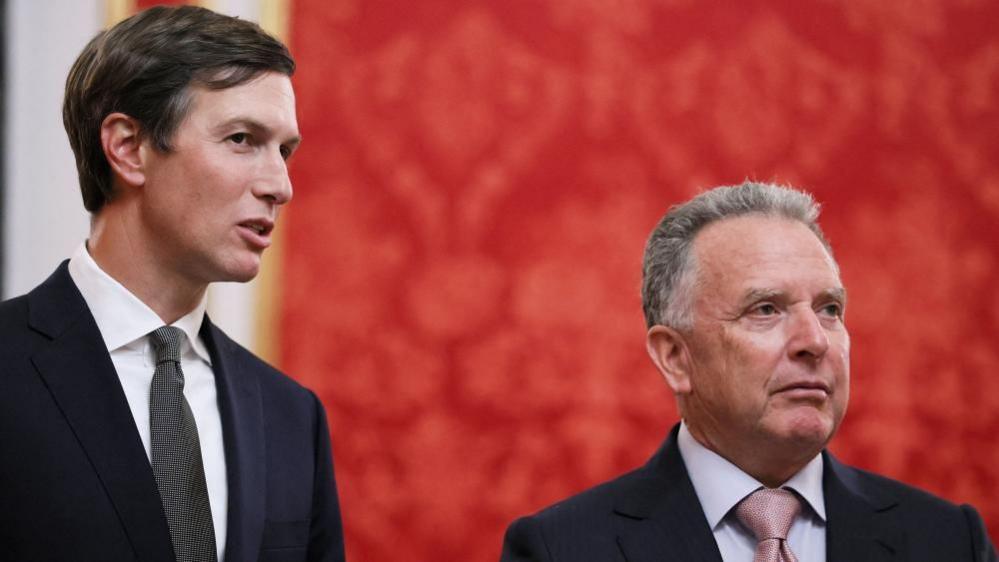
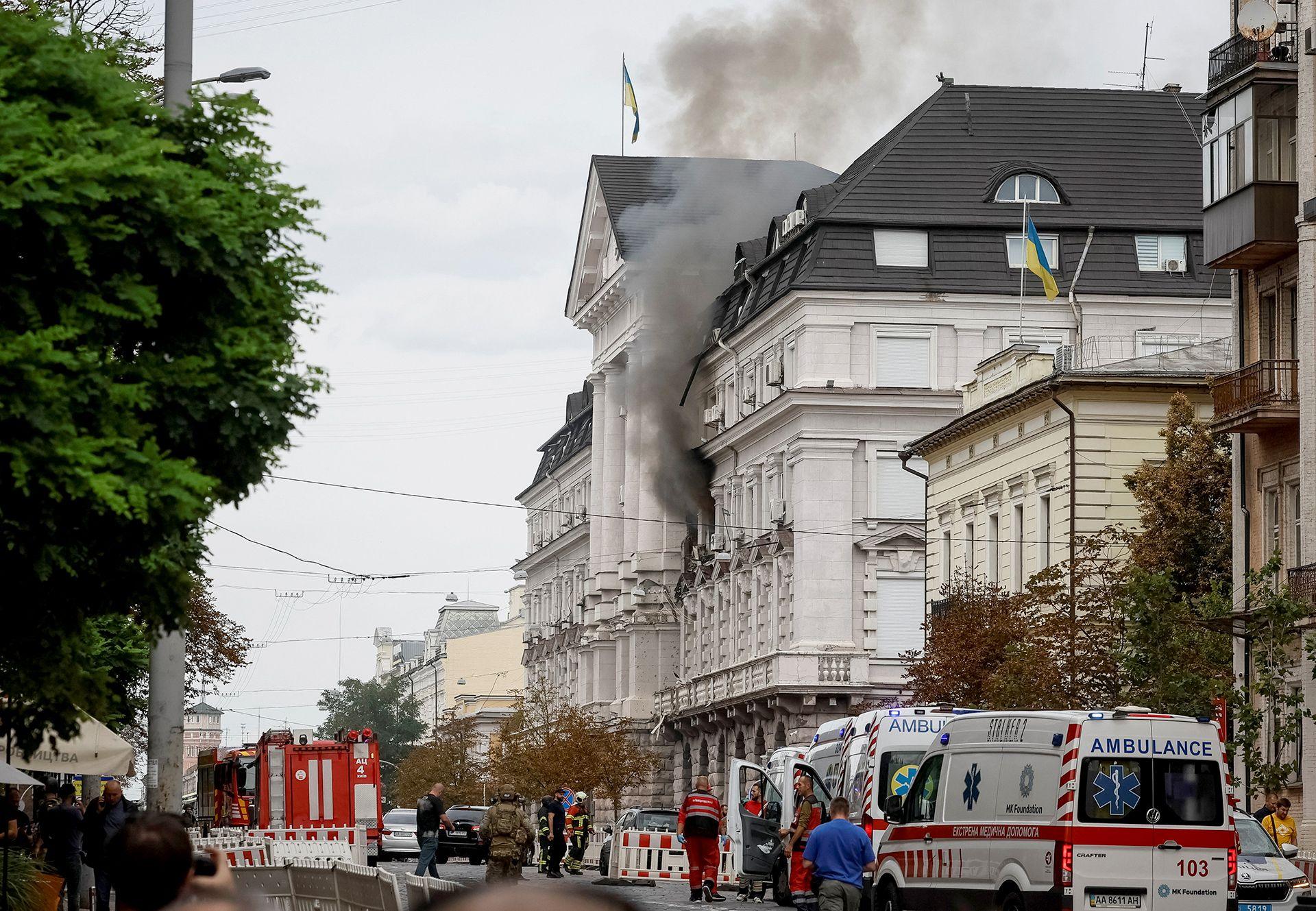
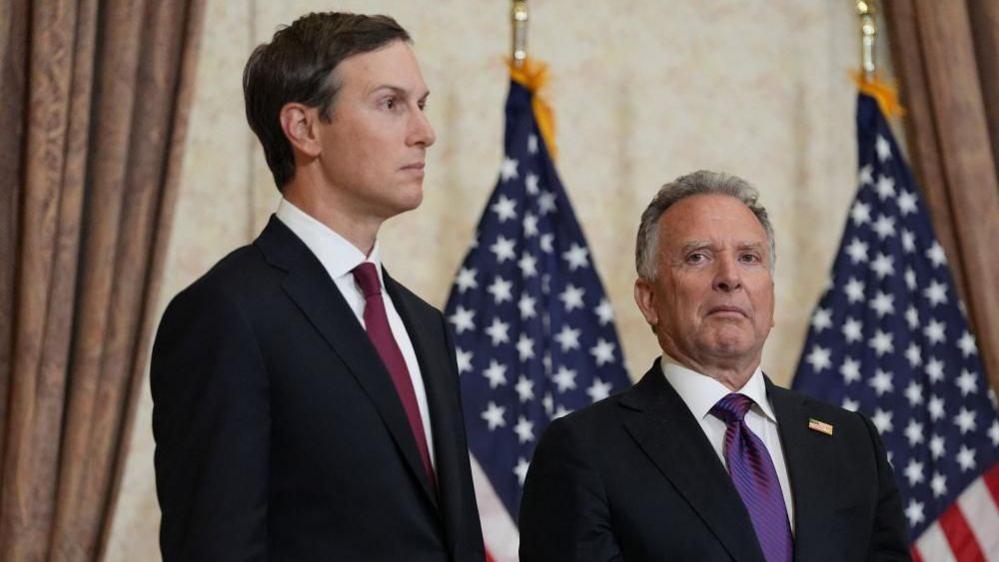
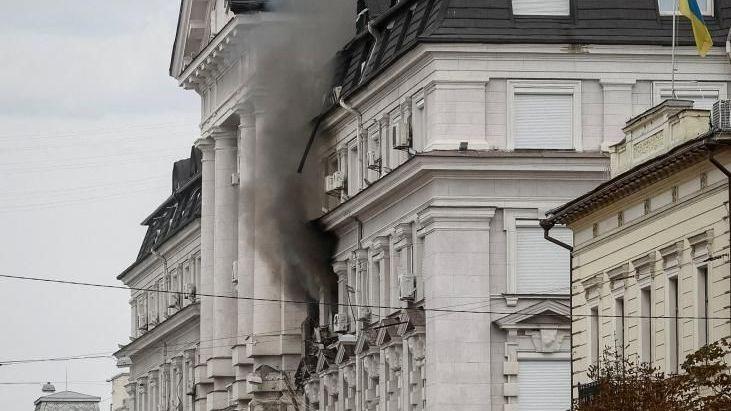
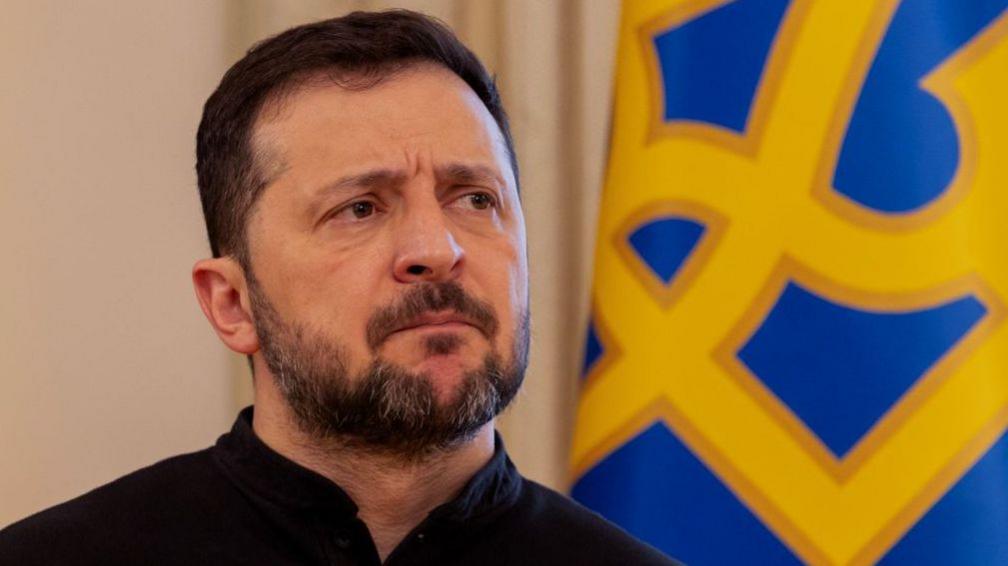
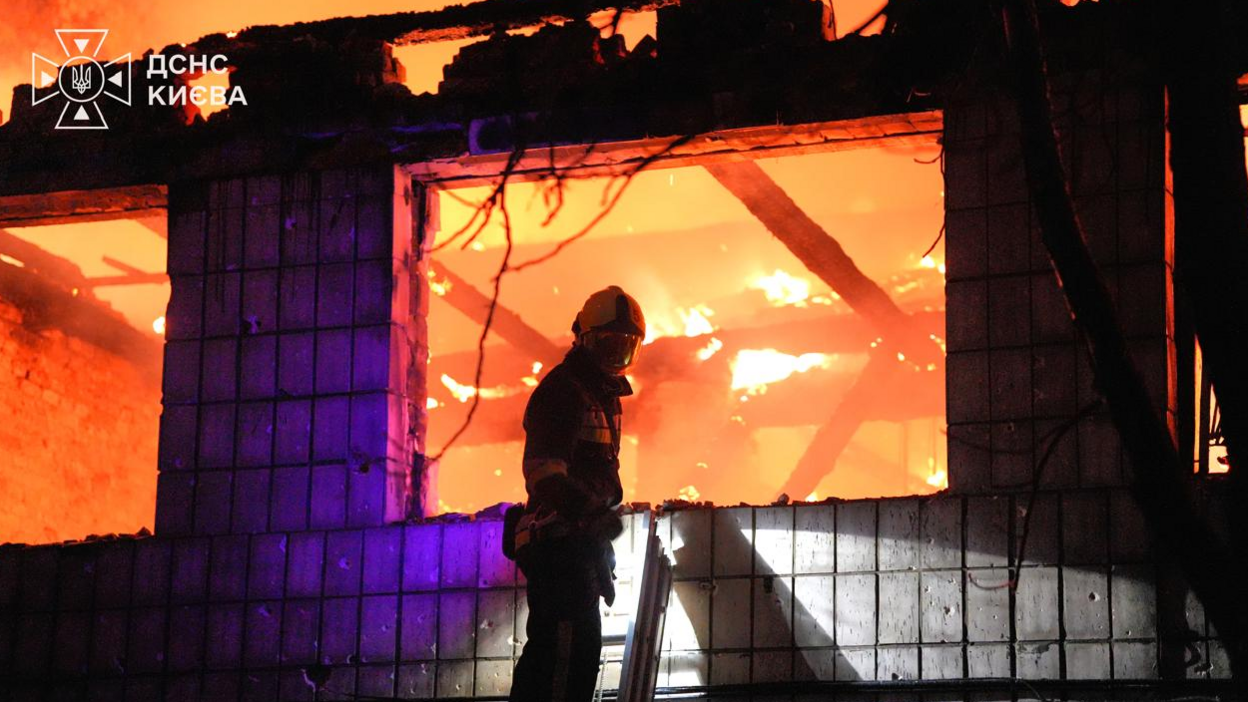
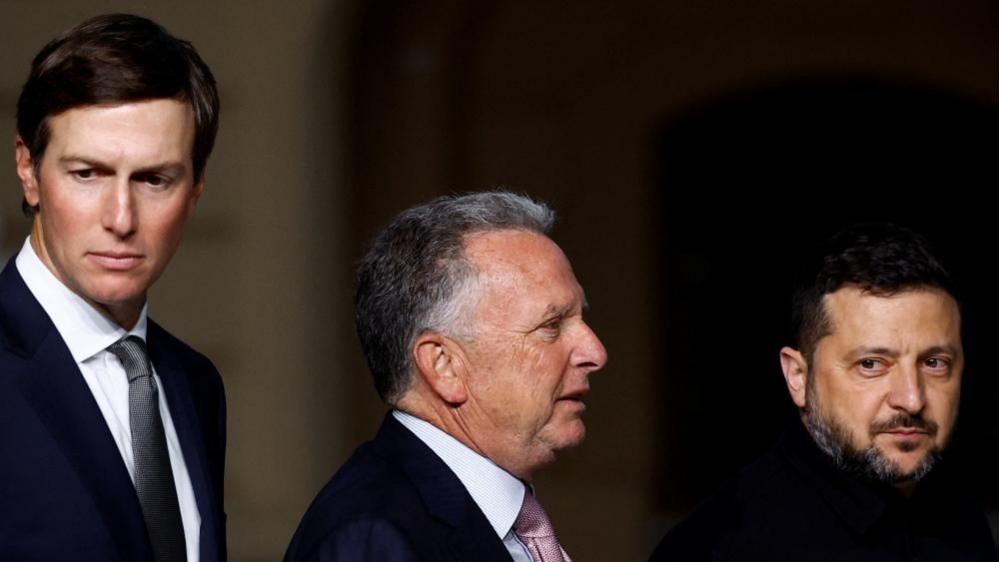
The day began with a conspicuous train arrival of U.S. special envoys Steve Witkoff and Jared Kushner, a first for modern diplomatic visits on Ukrainian soil since the full‑scale invasion. Their meeting with President Volodymyr Zelensky at St Sophia Cathedral—a touchstone of Ukrainian heritage—was framed as a sign of renewed cooperation, amid a backdrop of escalating drone attacks and air‑strikes.
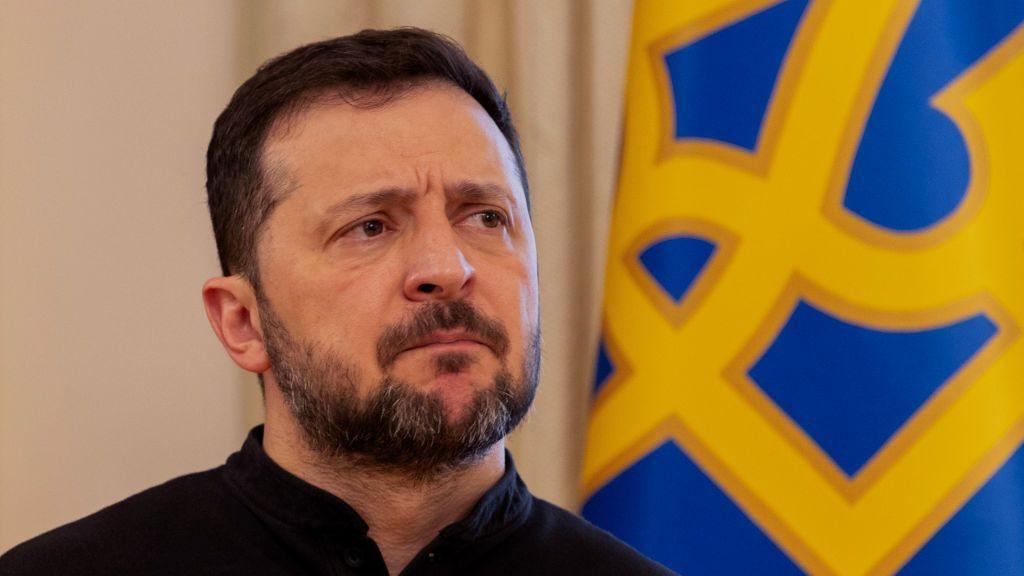
While the U.S. envoys reported that practical elements for a settlement were in place, they also noted that the two sides would need to make compromises. For Russia, the cornerstone positions remain: ceding territory, curbing Ukraine’s NATO aspirations and tightening its military size. Zelensky’s own stance folded under a tight shield of “strong and clear” security guarantees, refusing any concession on the Donbas front.
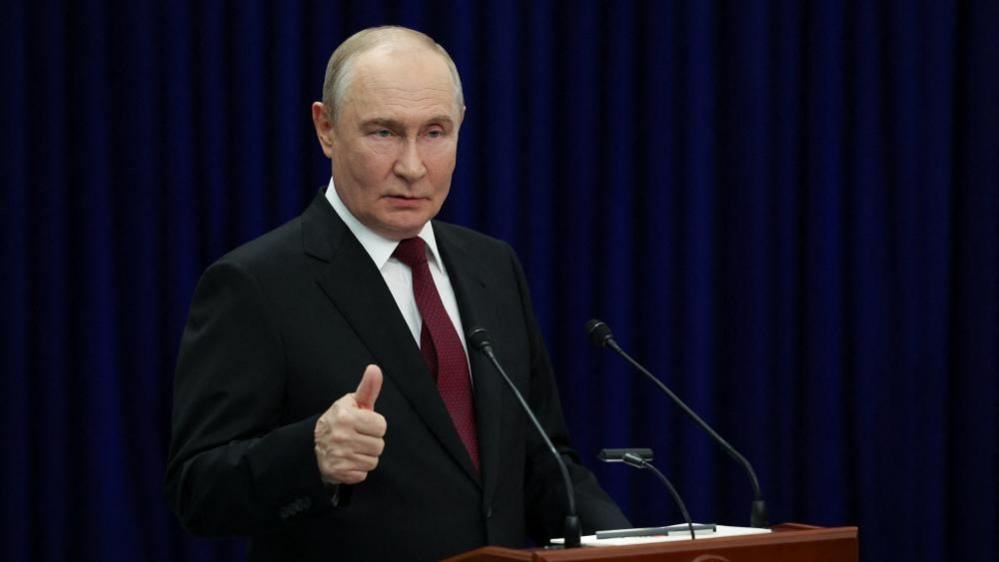
Both sides preached optimism in the press after the dialogue, calling it “substantive.” Yet their public statements belied deep strategic divergences: the U.S. still sees Ukraine’s gains in August as reasonable; Russia insists on tangible battlefield gains, while the Ukrainian leaders emphasize casualties and territorial retention.
With minimal progress in terms of concrete agreements, the quiet QV‑Chernihiv‑Kremlin corridor seems merely symbolic. Analysts suggest that the window for a spring settlement remains narrow, and the upcoming winter will likely bring intensified conflict. The brief halt in air‑strikes granted locals a momentary calm, but it’s unlikely to endure.