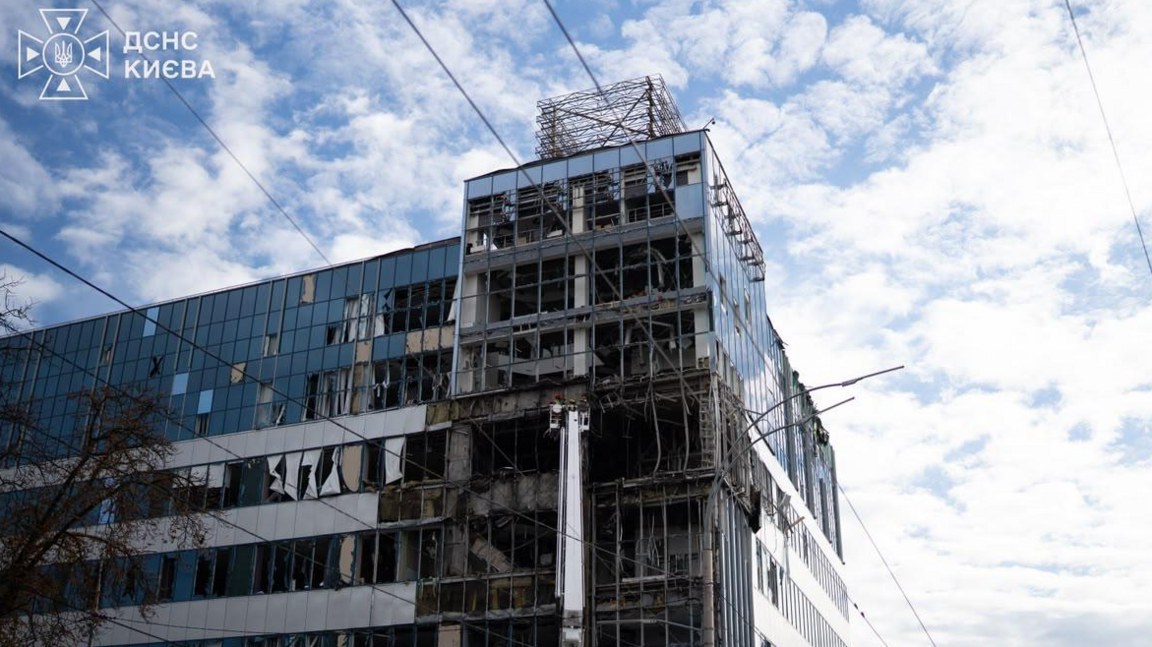
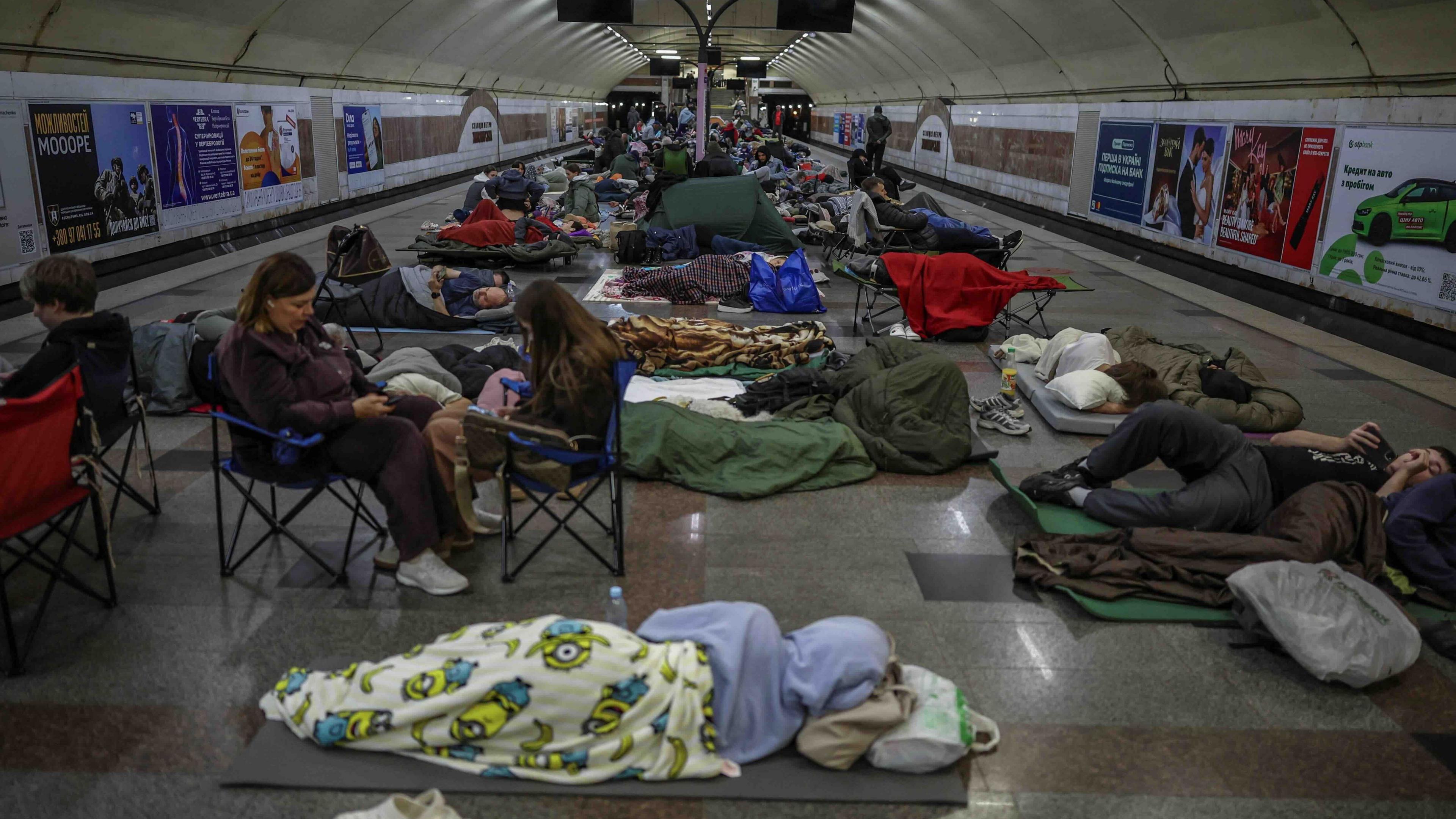
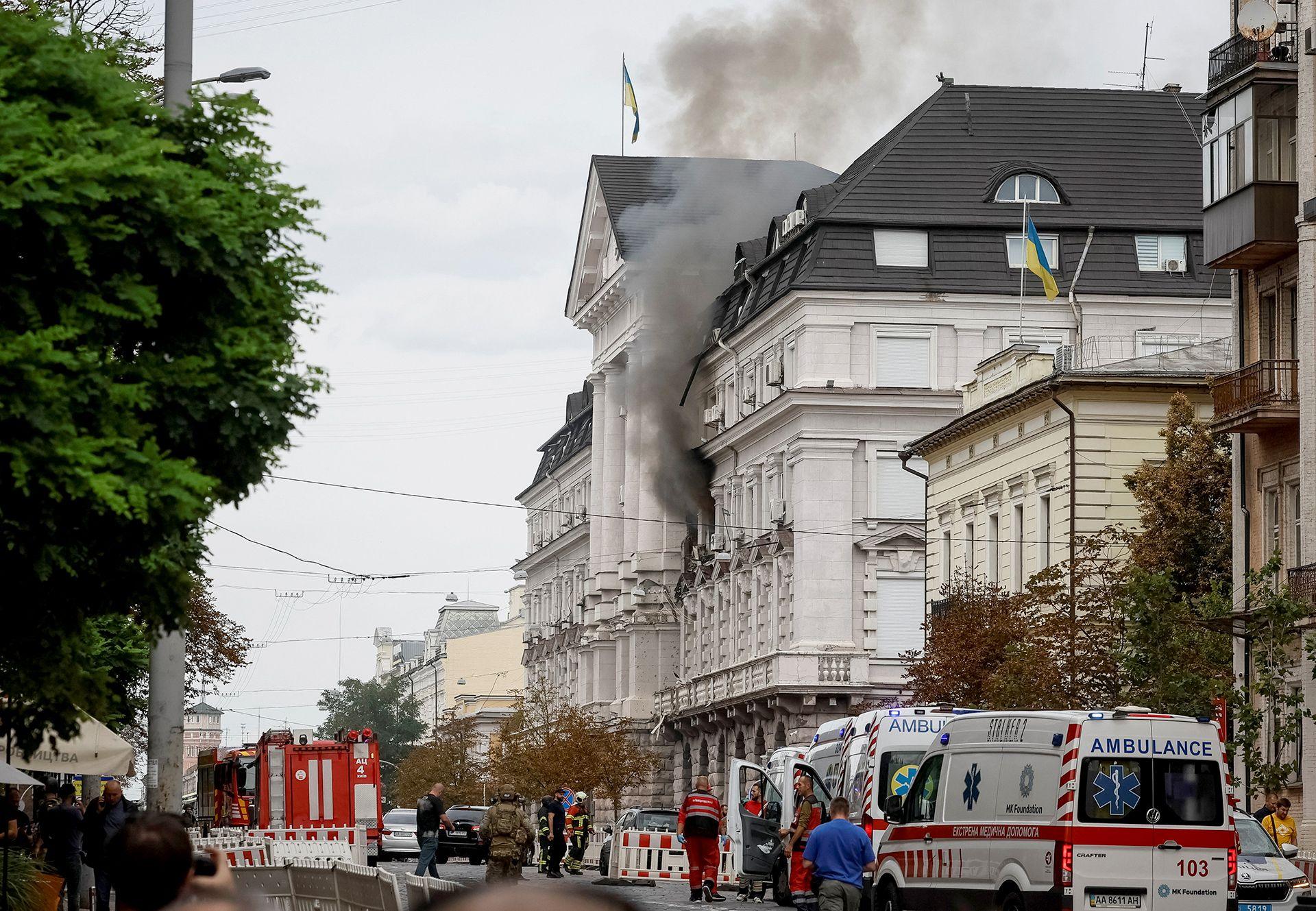
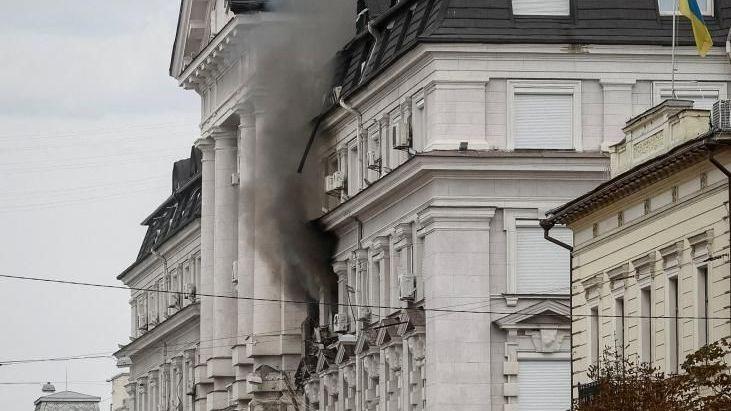
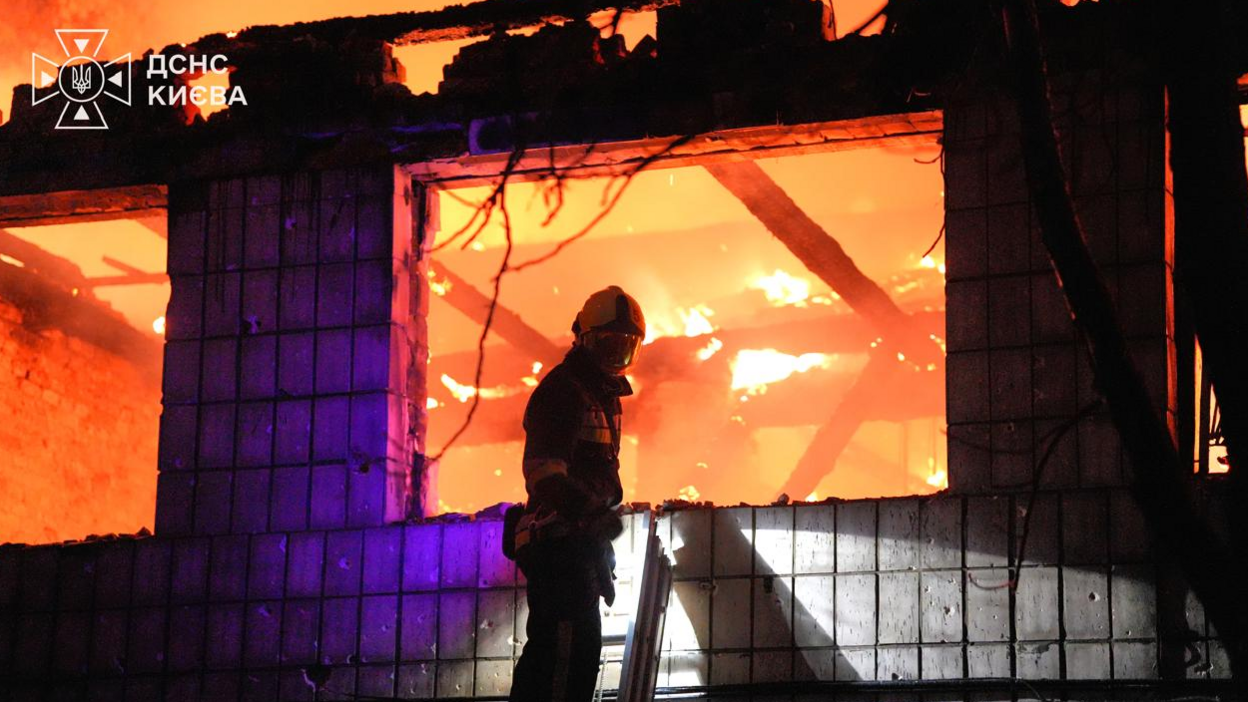
At 4:45 a.m. local time, a Russian-made drone slammed into the steps of Kyiv’s National Academy of Sciences, a 19th‑century Beaux‑Arts building that houses the country’s premier research institutes. Eyewitness footage captured a sudden flash of light, followed by a roar of flames that swept across the sandstone façade.
City mayor Vitaliy Klitschko confirmed that one person was killed and three others were injured by the impact and subsequent fire. The deceased, a researcher, was found on the ground floor’s lobby, a scene that has left the scientific community in shock.
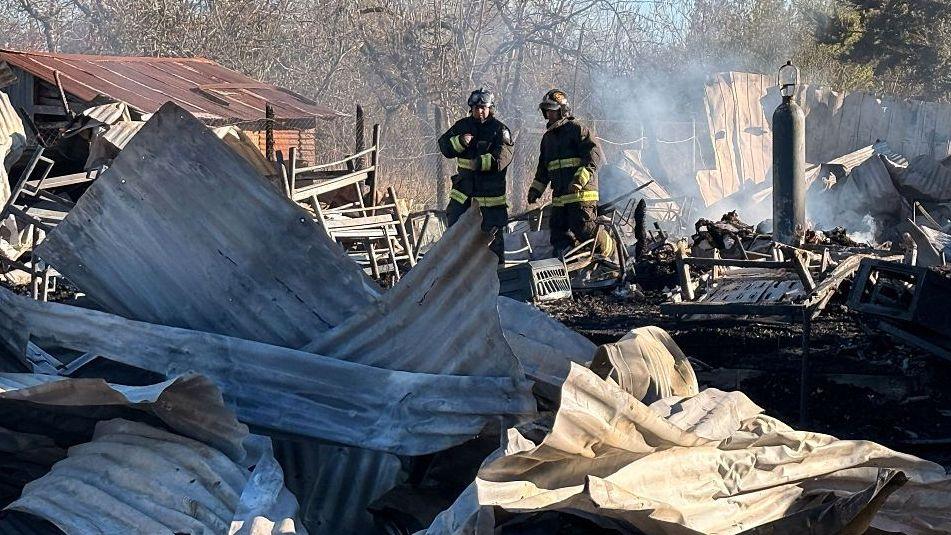
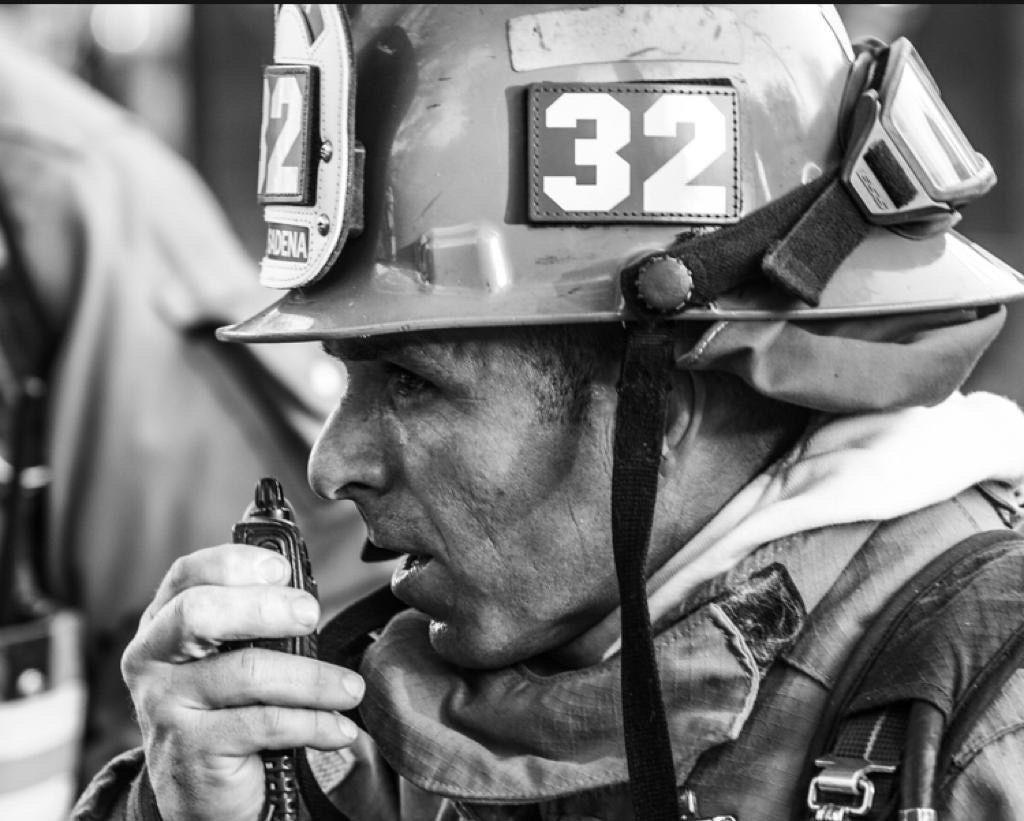
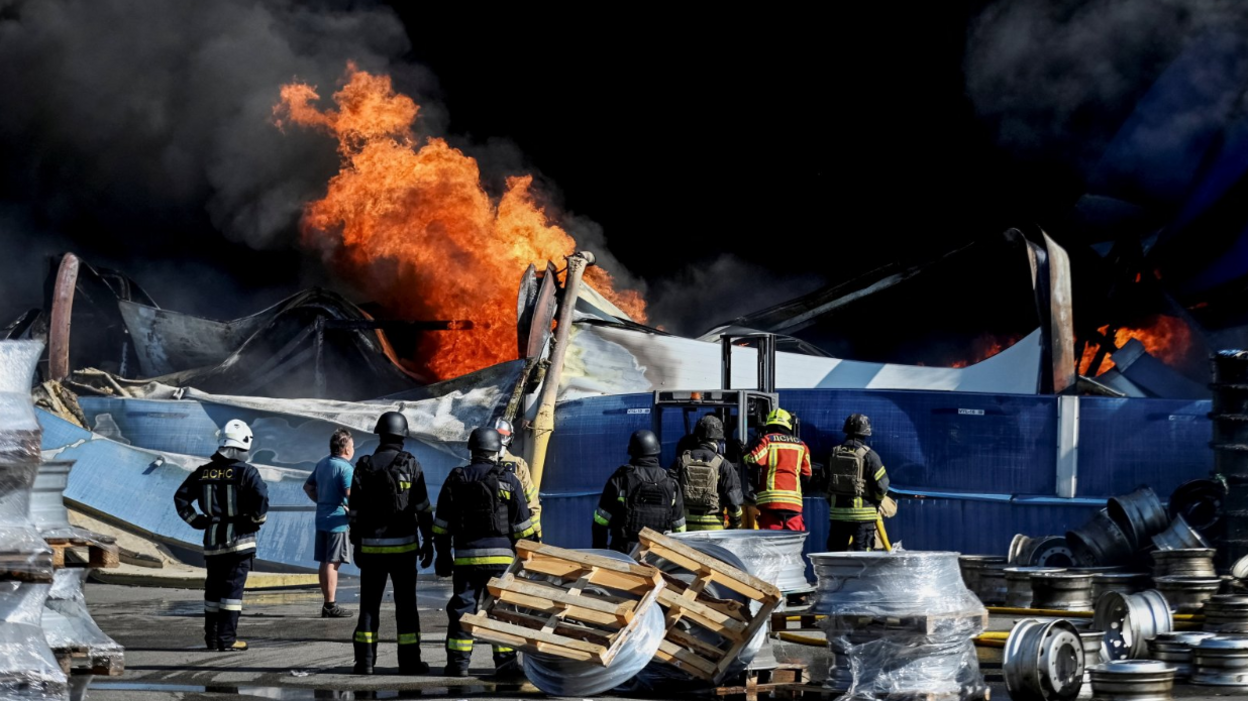
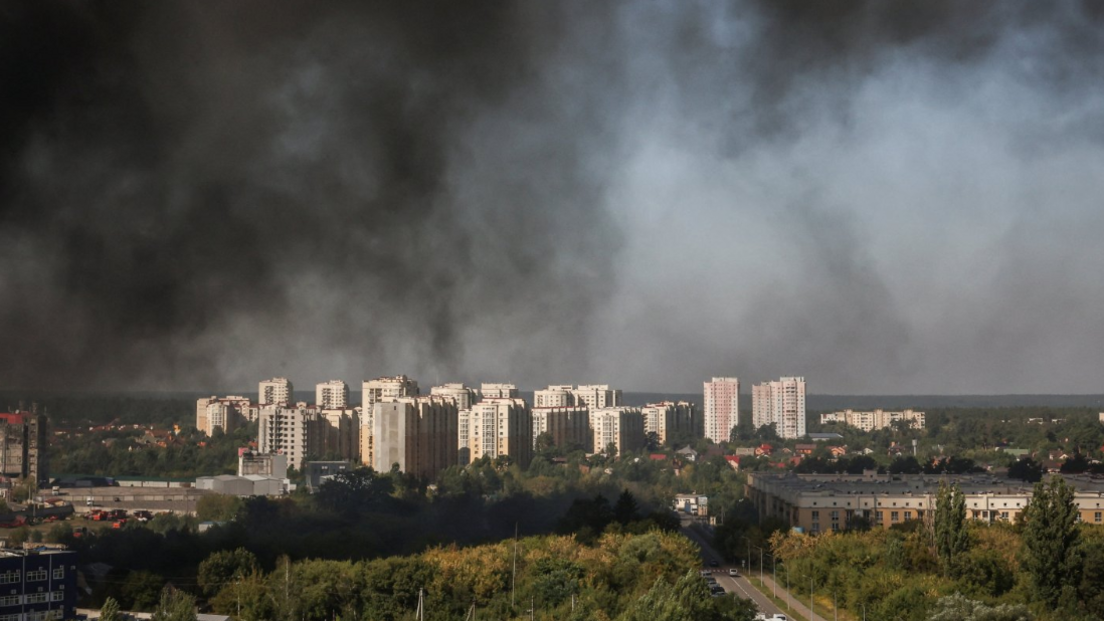
Emergency services rushed to the scene, but the steep stairwell and deteriorating windows limited the escape routes. Firefighters, accompanied by residents, used makeshift ladders to lead people out from the building’s upper windows, while a black plume rose over the Kyiv skyline, visible from neighboring districts.
The BBC's diplomatic correspondent, Paul Adams, was on the ground as emergency crews worked to extinguish the blaze. He reported that the high angular fire spread could still threaten adjacent buildings, including the nearby Institute of Nuclear Research.
The incident is the latest in a series of drone attacks that have intensified in the ongoing war between Russia and Ukraine. Analysts warn that the use of drones increases the speed and anonymity of strikes, making it harder for targets to defend themselves and raising the risk of civilian casualties.
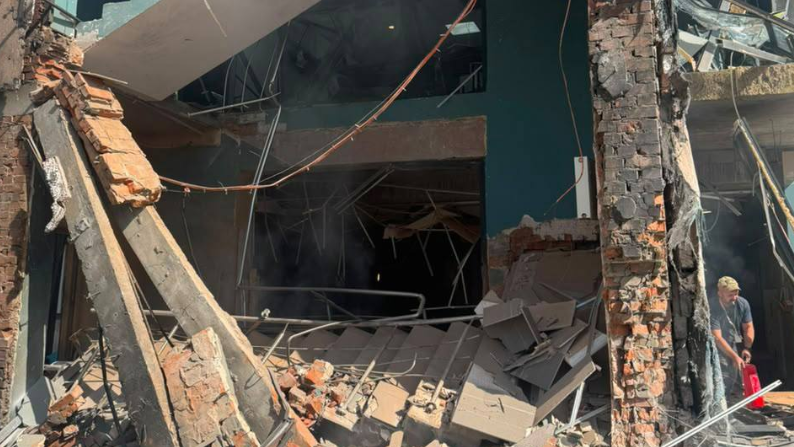
Local residents watched as the crisis unfolded on their screens. Some of the footage shows them leaning out of windows, gripping the rail against the building’s battered masonry, illustrating how ordinary citizens have become part of the frontline in an increasingly deadly theater of conflict.
Officials are calling for a renewed focus on protecting heritage sites and supporting emergency responders in Kyiv’s dense urban landscape. The National Academy of Sciences is slated for a temporary closure while repairs are assessed, with the hope of restoring its role as a symbol of Ukrainian resilience in the coming months.