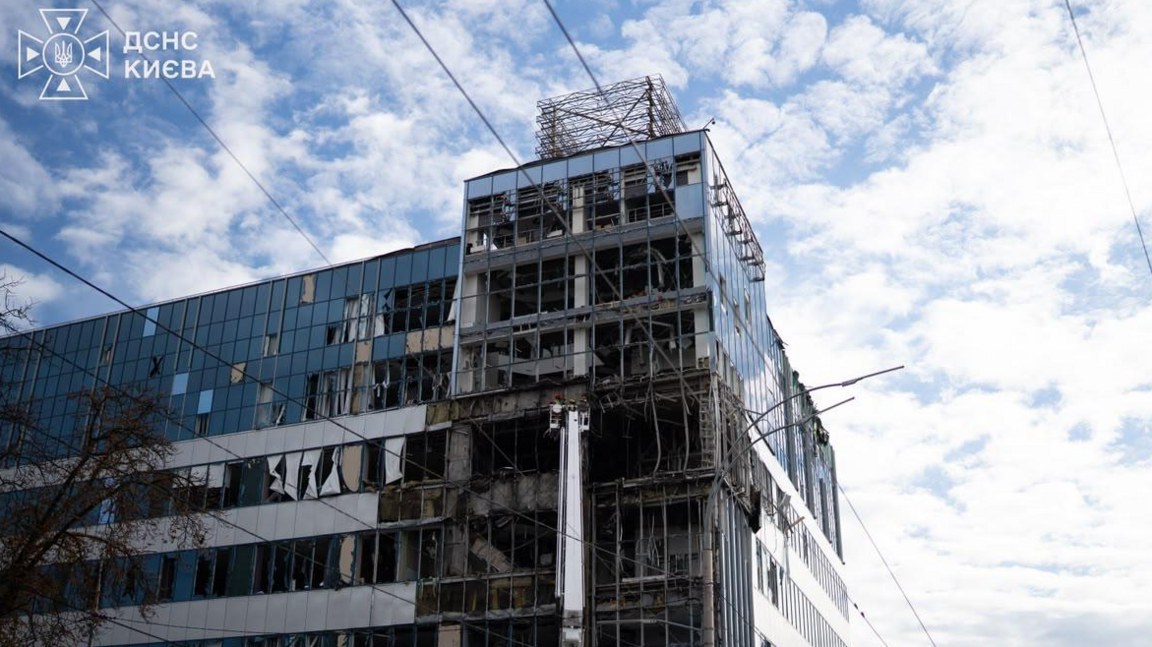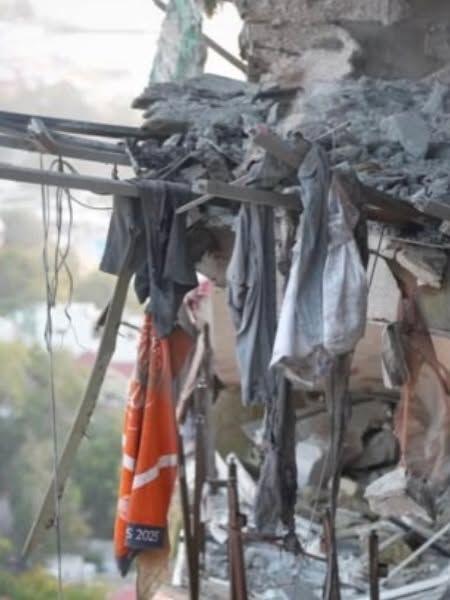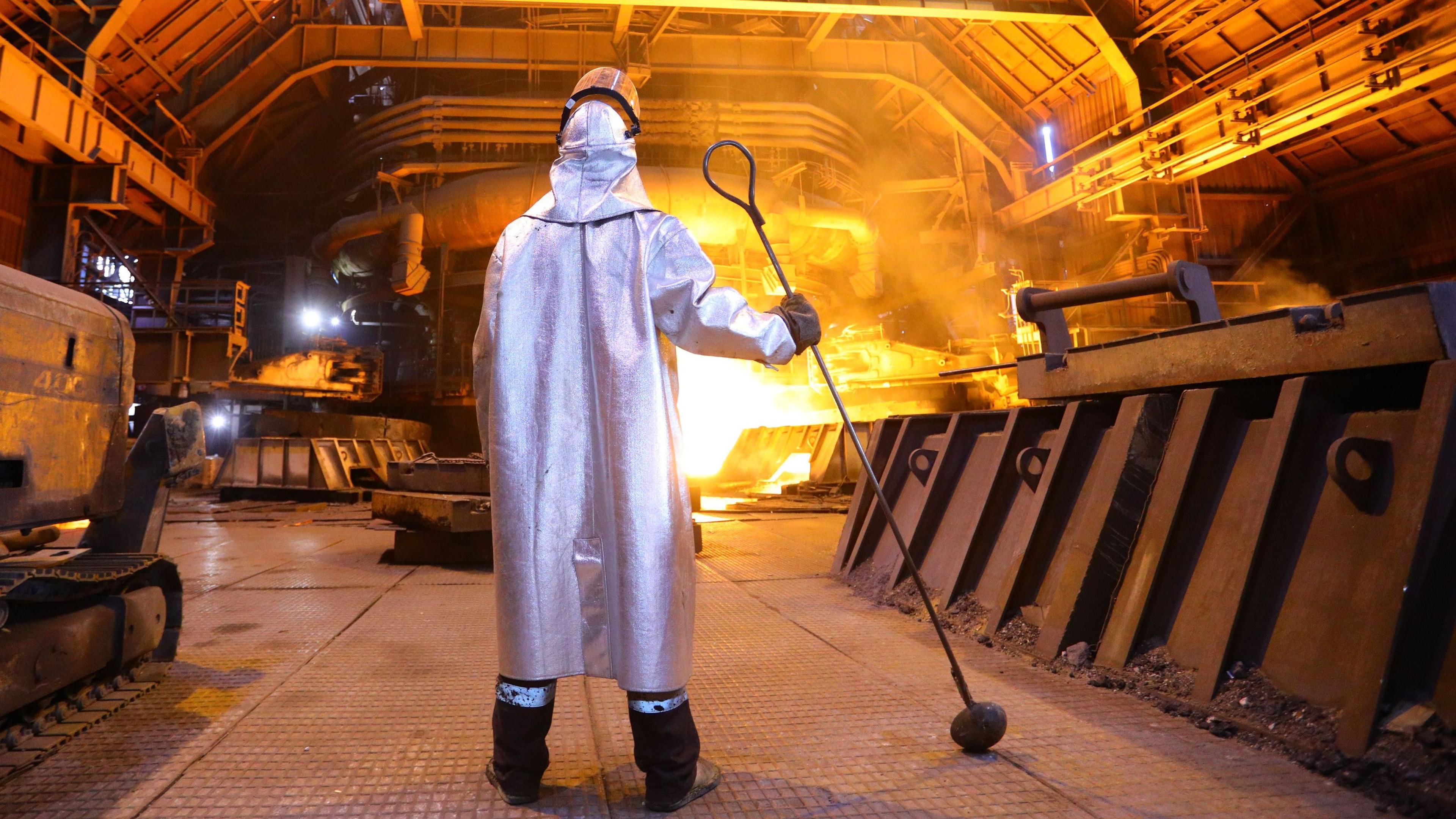
Russian missile strikes have left Ukraine’s biggest steelworks, Zaporizhstal in Zaporizhzhia, in ruins, shutting down operations that once employed 8,500 workers and supplied a sizeable share of the national economy.
Denys Maksyshko, a long‑time worker, told reporters that the plant “was the heart of the city” and that the blast furnaces are now “almost completely ruined” with holes in the roofs and no windows left.
Between August and September, 17 missiles hit Zaporizhstal, killing eight employees and wounding 31. Chief operating officer Oleksandr Myronenko of Metinvest, the plant’s owners, said the company was forced to clear rubble and plan recovery, but it is unclear when production could resume.
Metallurgical plants once accounted for roughly 10% of Ukraine’s GDP and a third of its exports. Analysts now caution that the sector’s contribution has dropped to virtually zero, with the loss of several key facilities including the Azovstal and Illich plants in Mariupol.
Metinvest’s CEO Oleksandr Vodoviz explained that the plant tried to restart a furnace, but it only ran for ten hours before another strike. He said there is no point yet in spending money on recovery due to uncertain conditions.
Local authorities highlight that taxes from metal‑making companies funded 30-70% of city budgets. Deputy governor Stanislav Zinchenko warned that a collapse of the steelmakers could trigger a humanitarian crisis far beyond Ukraine.
Beyond economic damage, the loss of steel production threatens Ukraine’s defence capabilities. Steel is essential for producing weapons, building shelters, and repairing war‑damaged infrastructure. Russian officials claim that attacks are justified because the plants produce military equipment, but the destruction also cripples future reconstruction efforts.
Logistics have become more difficult, with rail attacks hindering domestic transport and port strikes turning exports into a lethal gamble. Europe’s steel import quotas, introduced on 1 July, may compound these challenges.
Despite the bleak outlook, Maksyshko remains hopeful. He says his colleagues are clearing rubble and fixing what they can, likening their work to soldiers fighting in the trenches in an effort to keep the factory alive.