Warming Up to Winter in an Unwarmed City
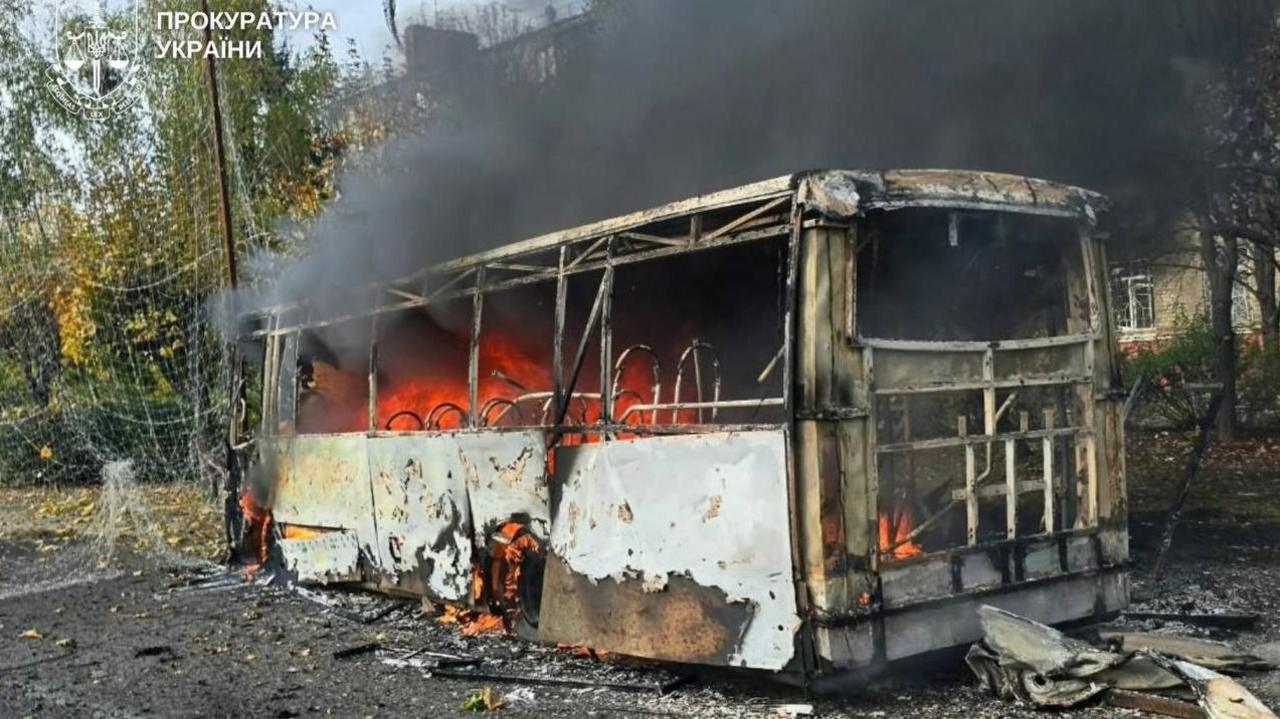
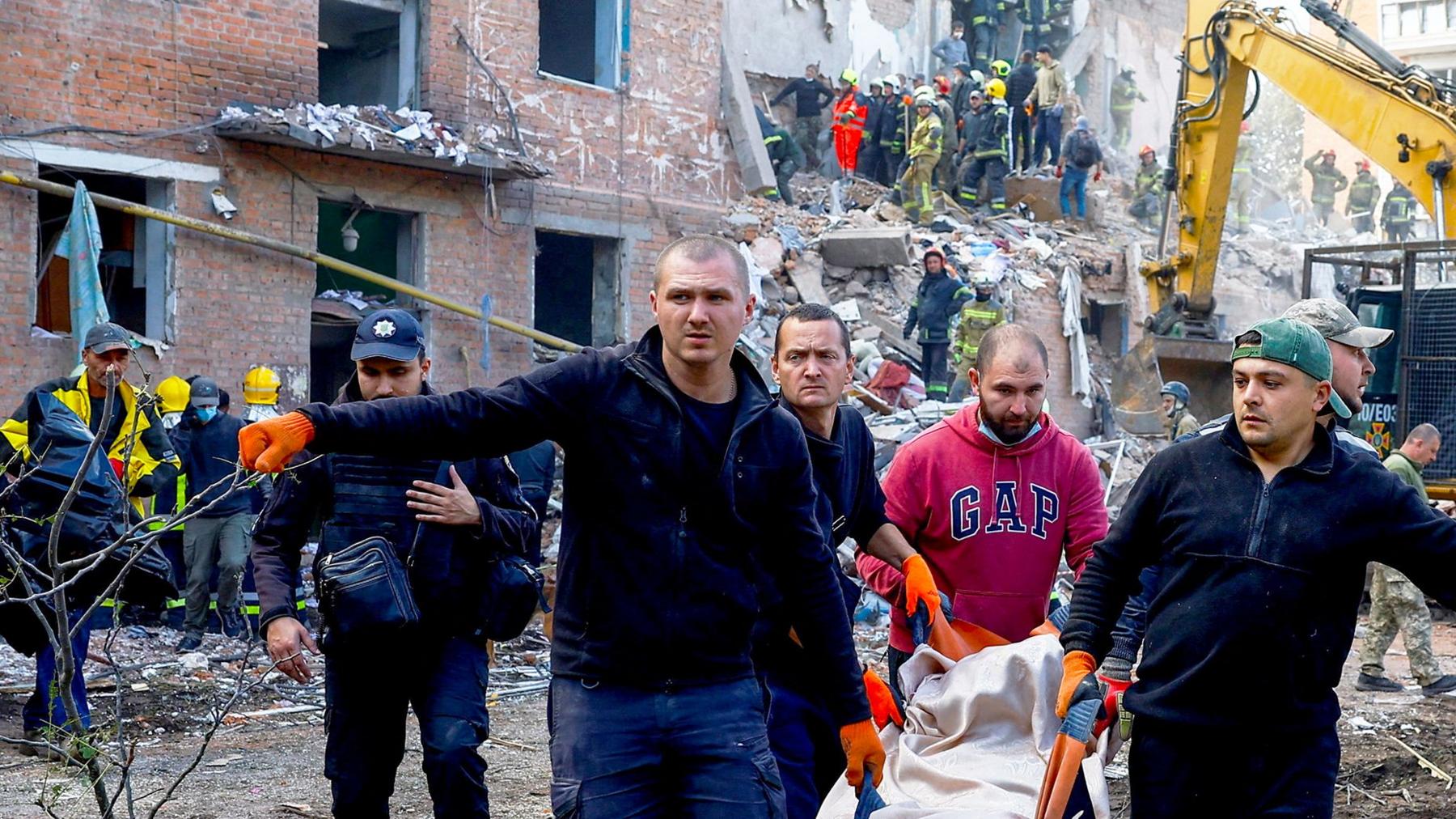
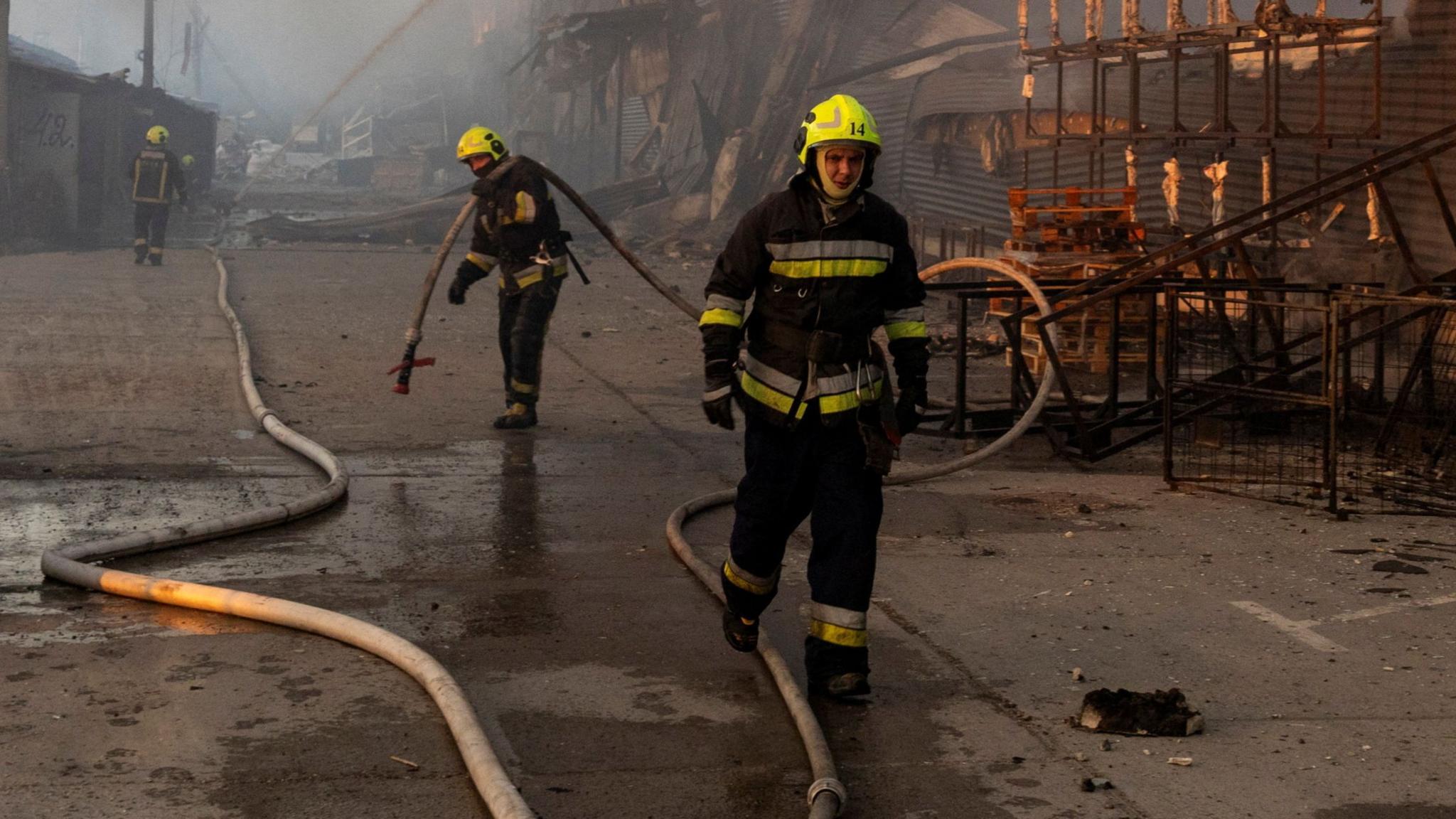
With the auto‑pilot of the war over Kyiv, the city’s new reality is frozen – literally. Sub‑zero temperatures combine with patchy electricity as Russia’s last‑minute bombings target infrastructure, leaving residents with cold, dark, and constant fear of the next strike.
“It was a very difficult winter last year in Kyiv,” says Mariia‑Shostak, mother of two, who has already packed her flat and is heading toward a safer destination. “I started thinking I wasn’t going to have another winter like this.”
The 2024 winter has pushed the city to its limits. Power outages hit for weeks at a time. The city’s grid, harassed by missile attacks, can now only power a limited portion of apartment blocks, leaving the rest in a «cold zone» that new residents must endure.
The Exodus: From the Capital to the Red Sea
Mariia’s decision to leave is not isolated. The premier research by Gradus as of September shows that 40% of Ukrainians would consider leaving if living conditions do not improve, 35% plan to stay, and 25%’re undecided. Her two children, four‑year‑old Artur and two‑year‑old Kira, were born after the 2022 invasion. Their mother says the warm Egyptian city of Hurghada is cheaper and safer than a Kyiv apartment that could be struck any day.
In contrast, many residents look for refuge close to home. A network of 15 small‑scale coal and gas plants has been erected in underground bunkers in city outskirts, capable of powering several hundred blocks each. Meanwhile, Kyiv’s older citizens and families with tiny children are being offered temporary housing in turned‑into‑sanatoriums and rehabilitation centers in forests on the city’s periphery.
Traveling Further or Moving Closer?
Olena‑Konoplia spent weeks searching for a secure cottage, ultimately settling in a two‑hour rural community where no factories or railways loom. “Everything that could be a target is out,” she explains. She now has a gas heater, a wood‑burning stove, and high‑speed internet to keep her charity work going. After nights of explosions and sirens, she says her sleep has improved dramatically.
Yet not all can afford a countryside move or a remote holiday. Supermarkets across Kyiv have experienced intermittent food shortages, and power cuts are expected to continue well into the winter. Mayor Vitaly Klitschko has described the situation as “tearing Kyiv apart” and urged citizens to seek out the city’s more sustainable emergency plans.
“They will postpone it until conditions become really un‑liveable,” says Gradus CEO Evgeniya Blyznyuk. But as families in apartment blocks experience multiple moonlit blasts, the emotional and physical toll is undeniable. Iryna’s child, Polina, now has anxiety, vomiting, and shaking after each strike, forcing the mother to consider a move to Poland or elsewhere.
What’s Next for Kyiv?
The city is balancing two relentless threats: the winter cold and the ongoing war. The recent construction of bunkered power plants and the use of former sanatoriums for emergency housing aim to reduce risk, yet they only buy time. In the meantime, many families, like the Shostaks, recast their future, weighing the cost and danger of staying against the bleak reality of an everyday life under threat.