Yandex Struggles After Ukrainian Drone Strikes on Russian Data Centres
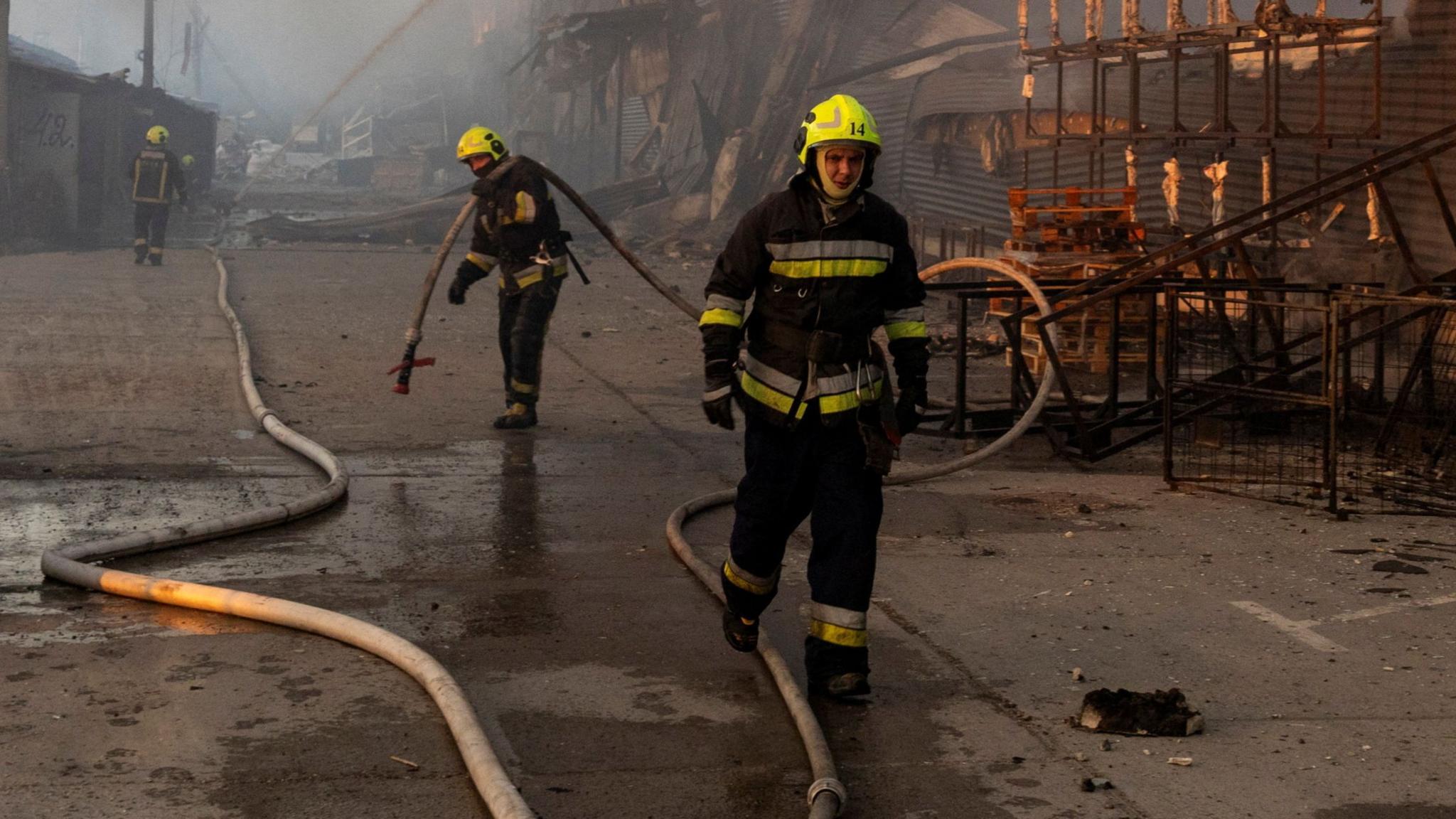
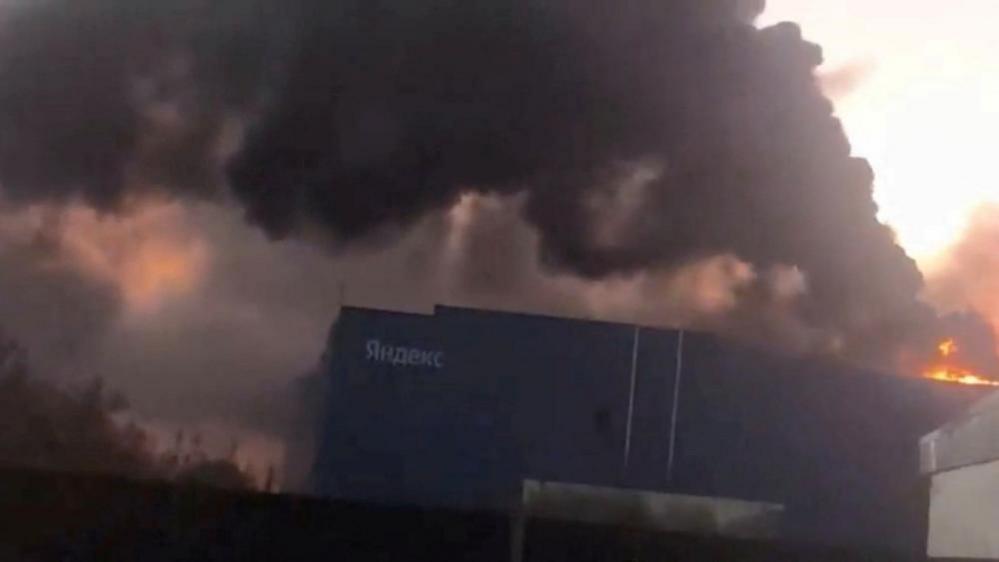
Russian tech giant Yandex is grappling with disruptions after two of its five data‑centre hubs were struck by Ukrainian drones over the past two days, the company said on Thursday. The attacks hit the Sasovo hub in the Ryazan region and a large site in Kaluga, severely damaging key infrastructure used for its search engine, food‑ordering and taxi apps.
Yandex described the Sasovo damage as “serious” and its operations as “completely suspended,” while the Kaluga centre’s “infrastructure is taken out of service.” Given that the Kaluga complex covers 130,000 square metres and consumes electricity comparable to 220,000 UK households, the outage threatens to cripple many services, the company added.
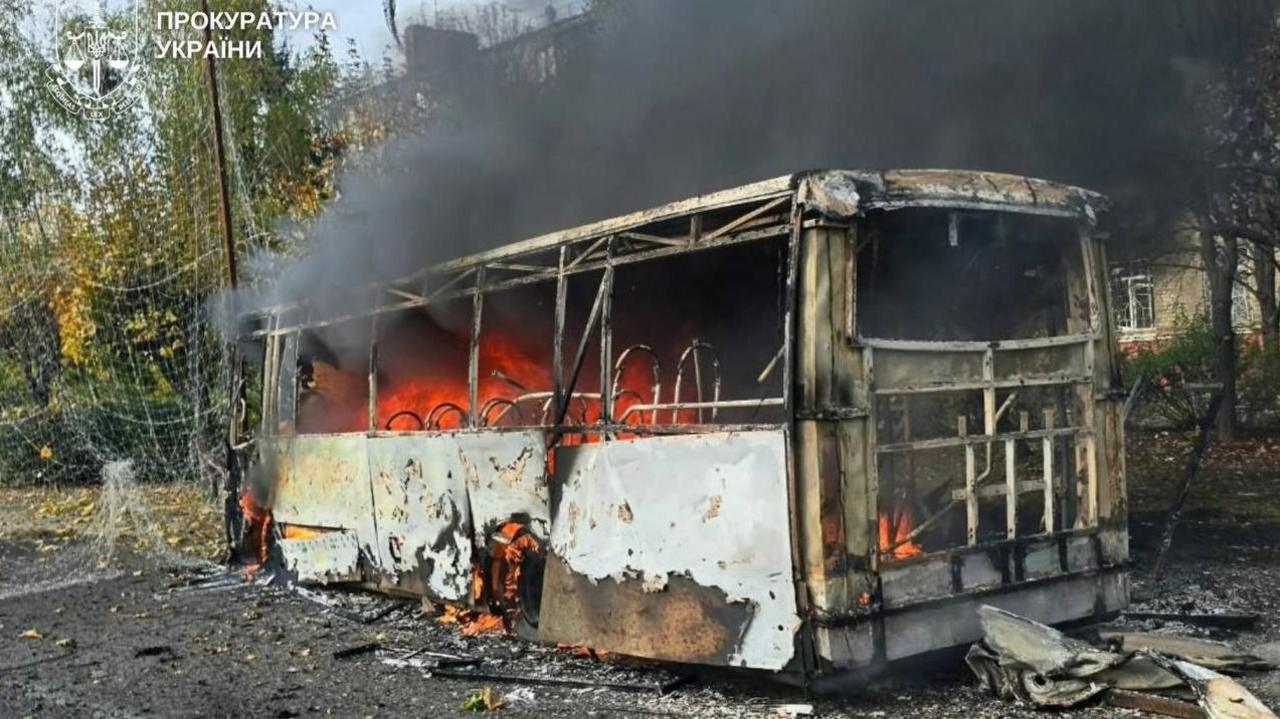
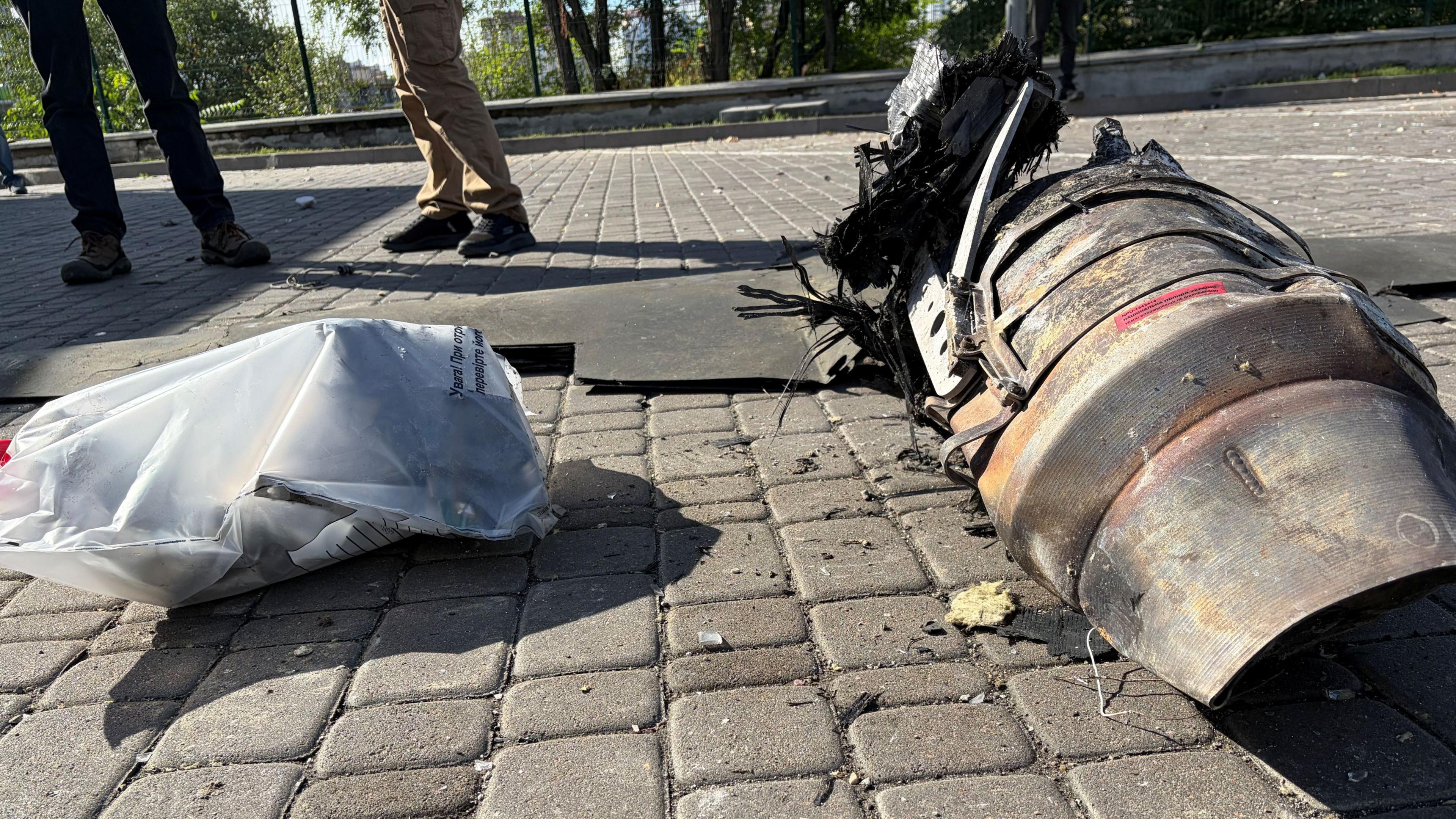
The strikes come amid a broader tit‑for‑tat escalation. President Volodymyr Zelensky said the attacks were a response to Russian strikes on Ukrainian data centres, while Moscow has defended its actions by claiming the sites support Ukrainian military intelligence. The fighting is now dragging on, with the conflict prompting each side to target infrastructure that can affect the other’s war effort.
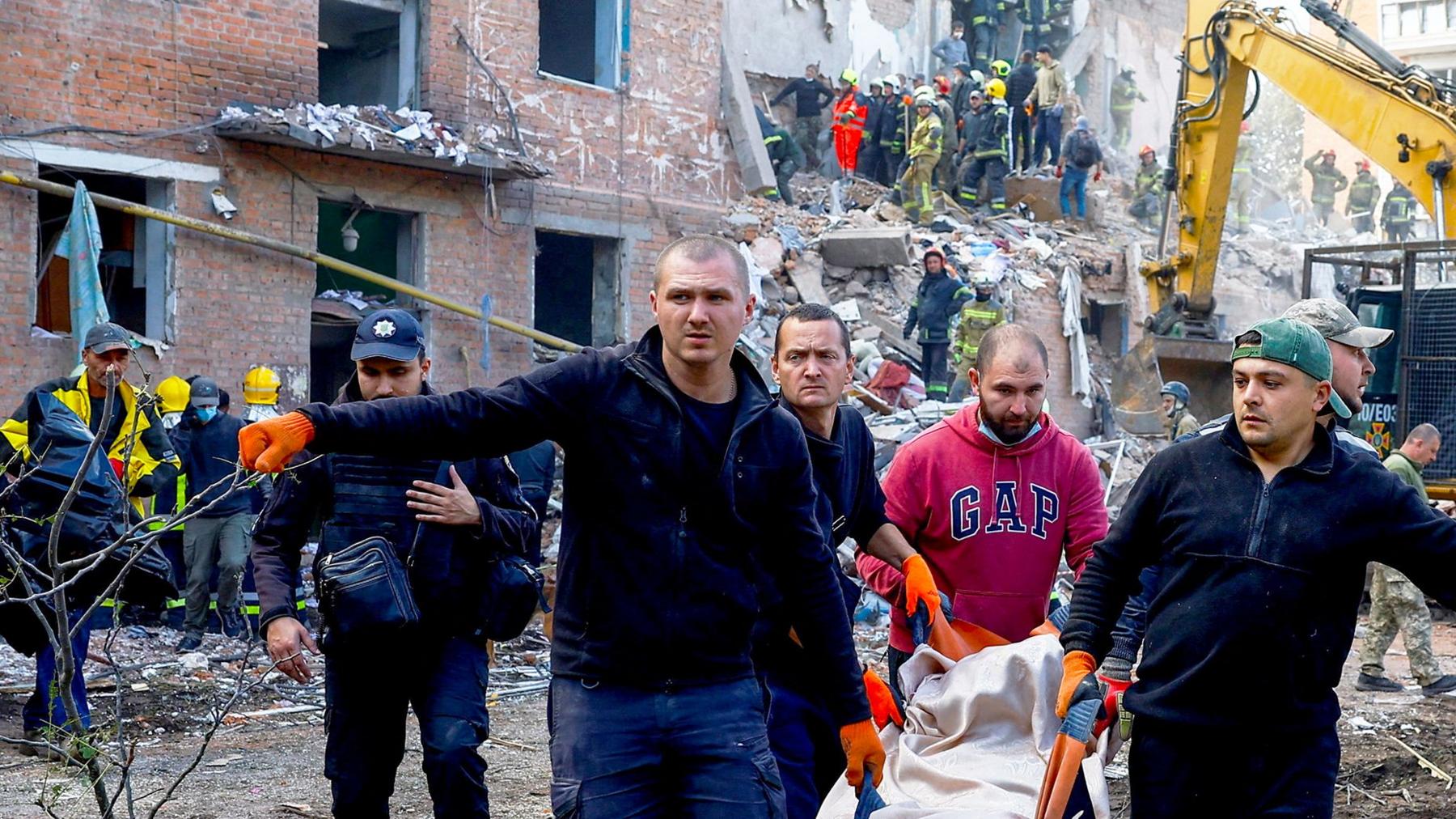
Yandex said that its teams are working “day and night” to restore services, but the company warned that the recovery timeline was uncertain. While no employees were injured, the Kaluga governor reported nine civilians with injuries from the drone strike.
The exact scale of the service disruption remains unknown. Yandex told the state news agency Tass that some of its AI chatbot functions were temporarily unavailable and that smart‑home devices could also experience problems.

Yandex’s TikTok-like strategy of deploying massive data centres to fuel AI models may be compromised. The company has warned that its supercomputers, key for AI development, could have been damaged at the Sasovo site. Ukrainian defence ministry confirmed the attacks, noting they could force Russia to divert resources to repair the damage.
The outcome of this escalating cyber‑physical warfare will have a ripple effect, potentially forcing Moscow to allocate more resources to safeguard its digital backbone and divert those resources away from the front lines. The incident illustrates the growing shadow war fought through infrastructure, where data centres, traditionally considered civilian assets, have become prime targets.