Donald Trump's latest pivot on the Hormuz fee, lasting less than 24 hours, signals a president in search of unorthodox ways to exit a stalled Iran war.
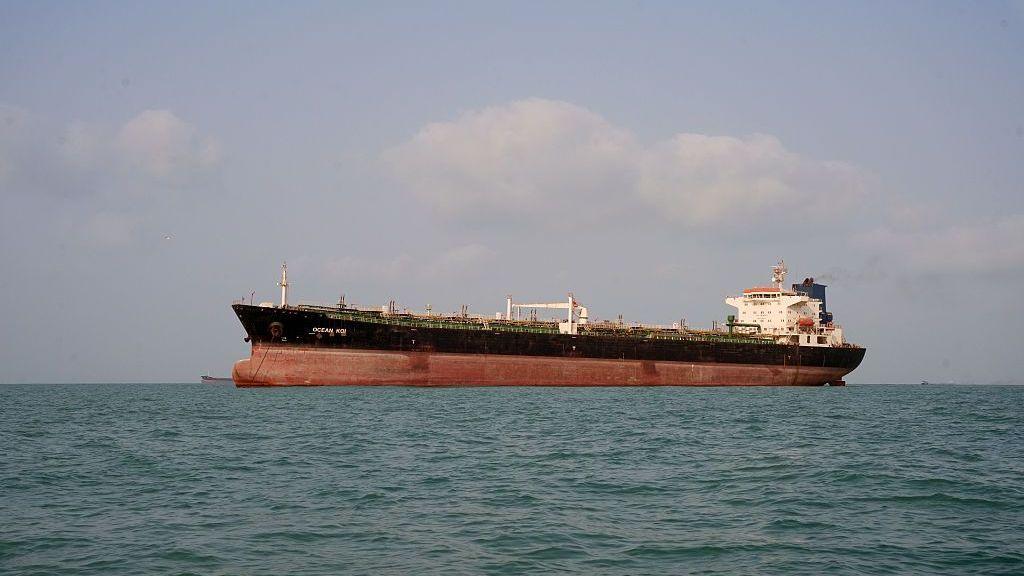
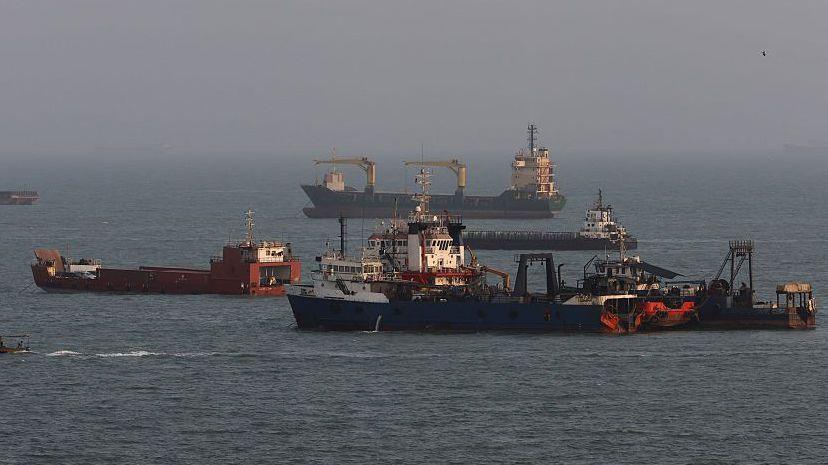
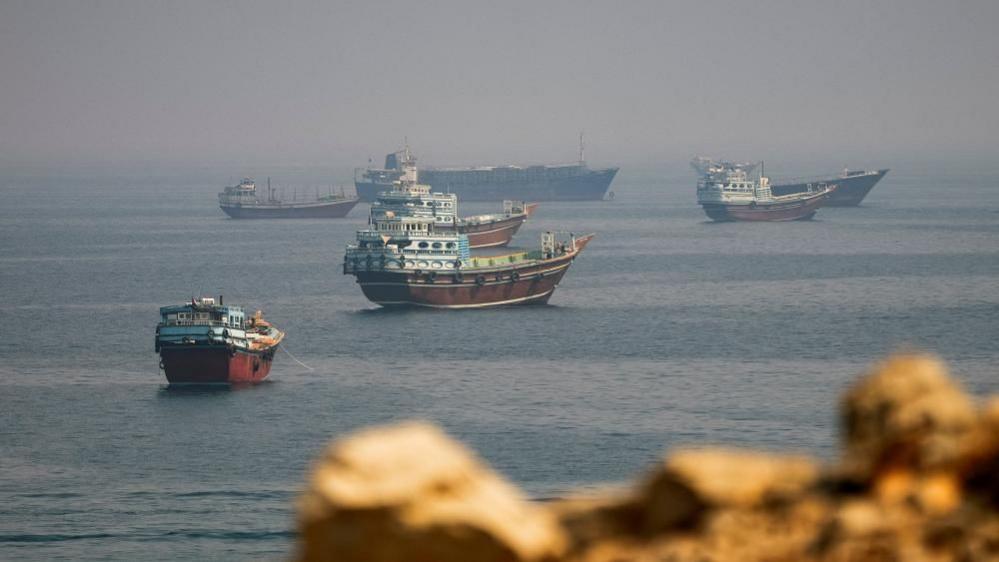
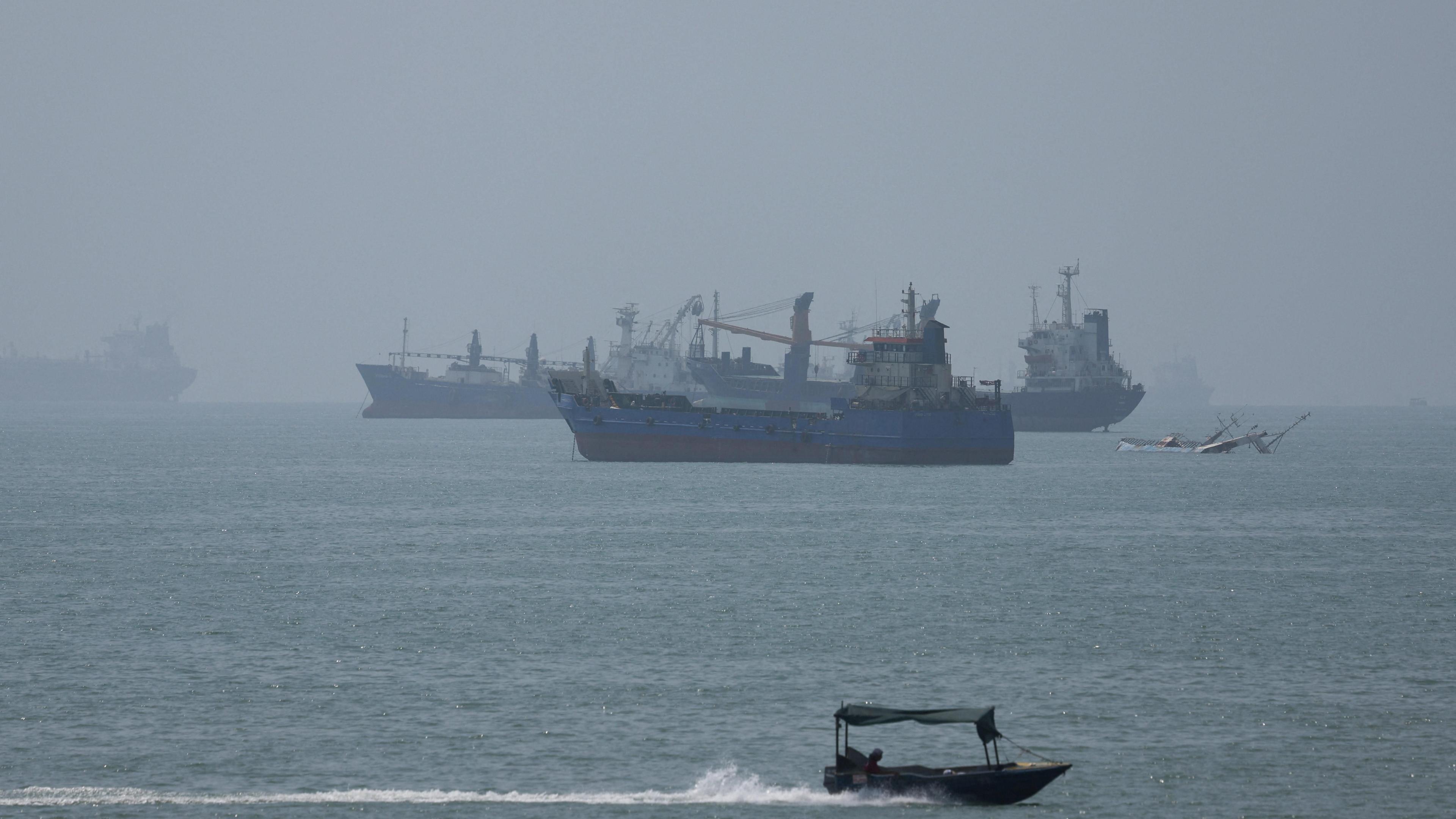
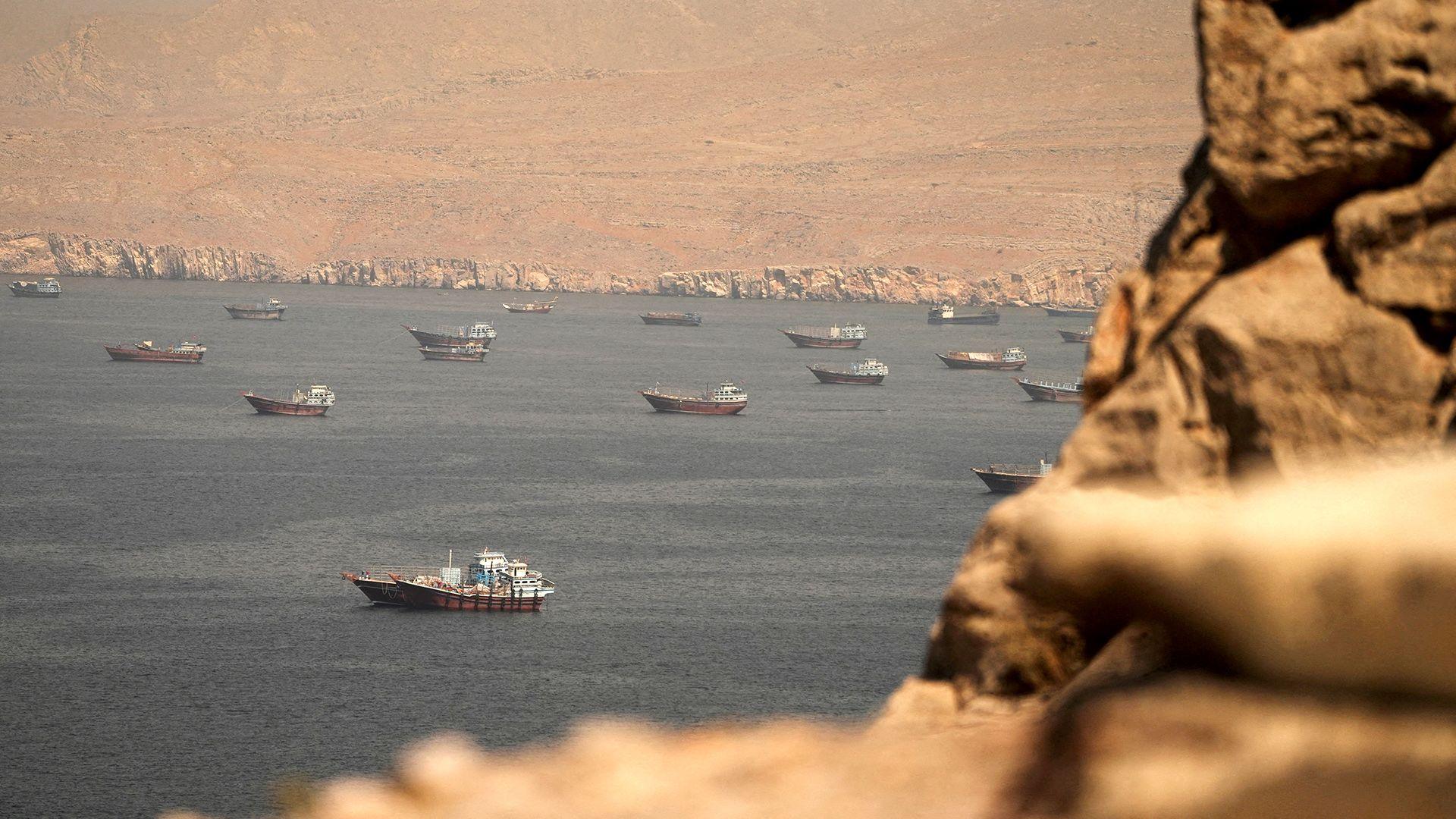
On Monday morning, a Truth Social post announced the resumption of a U.S. naval blockade on Iranian shipping, stipulating that vessels passing through the Strait of Hormuz – even those belonging to U.S. allies – would need to pay a 20% fee to reimburse Washington for its safety operations.
The very next day, the proposal disappeared, replaced instead by a suggestion of “trade and investment deals” with Gulf allies that would secure safe passage across the Strait in return. The abrupt policy reversal is the latest twist in a conflict that now stretches over four months, despite a month‑old memorandum of understanding (MOU) that had promised a ceasefire and a framework for diplomacy.
The MOU Crumbles
The MOU, published for a brief time in October, had outlined Iran arranging safe passage of commercial vessels without charge, promised billions of dollars in investment, and called for an end to sanctions. The agreement was intentionally vague, allowing later negotiations to determine the details. With Trump’s latest offerings now repudiated, the deal appears dead, some analysts suggesting all the stipulations have been undone.
Leverage Wanes as Tehran Retaliates
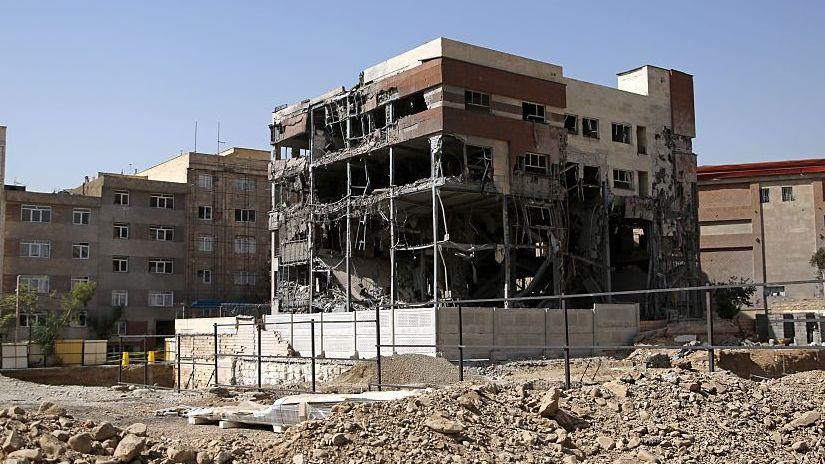
Iran has escalated attacks on U.S. allies and commercial shipping, snapping traffic through the Strait to a near stand‑still. With the reimposed blockade, the Iranian oil revenue – a lifeline for the regime – is further strangled, and air strikes on sites like the fortified Pickaxe Mountain aim to punish further. Yet each offensive has not forced a concession from the elite, casting doubt on the effectiveness of U.S. military pressure.
According to former defense analyst Rosemary Kelanic, the conflict has turned into a “war of attrition.” “The president has tried everything credible,” she says. “Against a regime that keeps holding up its end of the bargain, further escalation risks domestic inflation and the upcoming mid‑term elections.”
Oil Prices and Domestic Politics
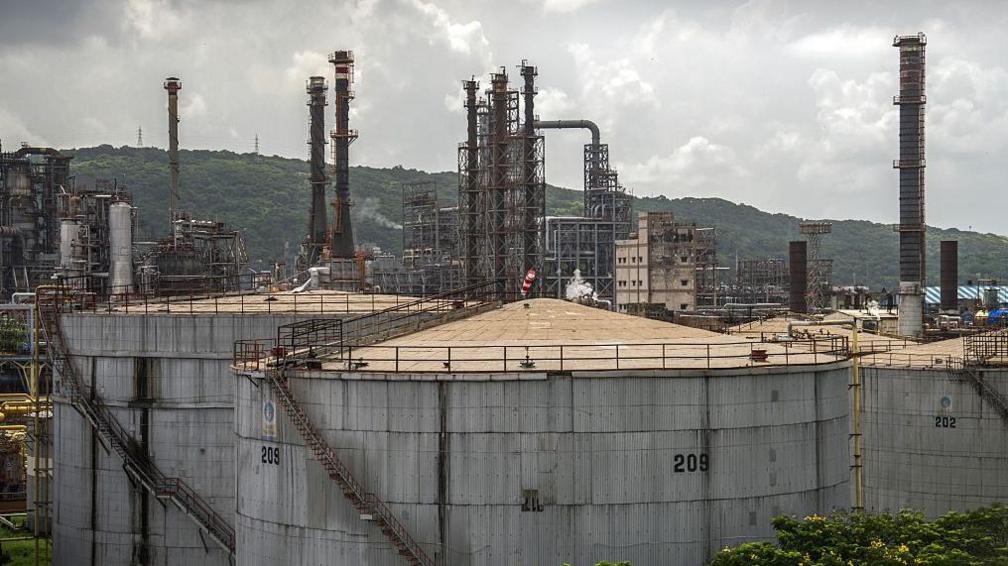
Yesterday, oil prices surged close to 10% in a single day – the steepest jump in six years – after the blockade announcement. Had the conflict continued, economists warn that volatility could erase the positive trend in consumer prices that the administration has celebrated. In such a scenario, the Trump campaign risks facing an unfavorable narrative ahead of the November elections.
What Now for U.S.-Iran Relations?
With the MOU’s framework collapsed, U.S. officials seem at a crossroads: continue a high‑risk military campaign that could turn the conflict into a protracted quagmire, or pursue a fresh set of diplomatic talks that may leave the Iranian regime intact. Former Council on Foreign Relations fellow Elliot Abrams notes that, although a new Strait agreement might be possible, it’s unlikely to revive the original MOU’s promises.
As Trump reasserts national policy on the foreign stage, the stakes remain high: a full‑scale escalation could trigger a re‑escalation of sanctions, a spike in fuel costs, and a polarized political environment that hampers the election campaign. Conversely, a return to the negotiating table with hard‑line demands could also cement Tehran’s willingness to sustain its strategic importance in the Middle East.
Reporters on the ground continue to monitor the situation, as the US seeks to avoid a repeat of past wars that ended in blindness on the presidents involved. The next steps will determine whether Washington can finally resolve a conflict that began in 2026 and continue to cost both sides, politically and economically.