Trump Claims Iran War Deal Already Signed, Details to Follow
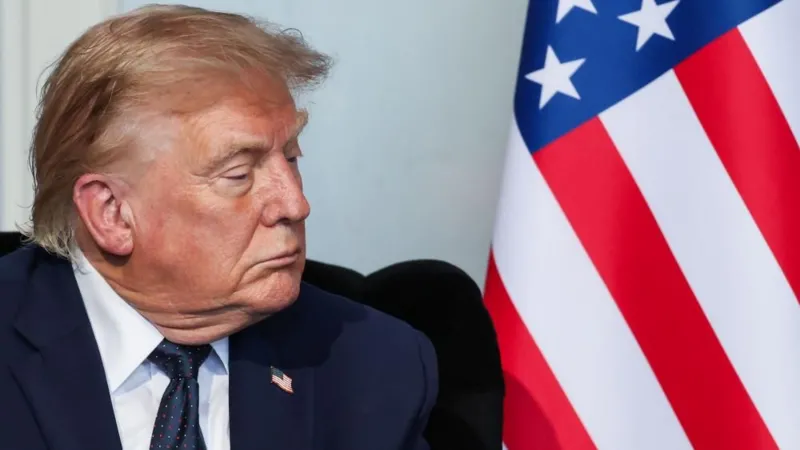
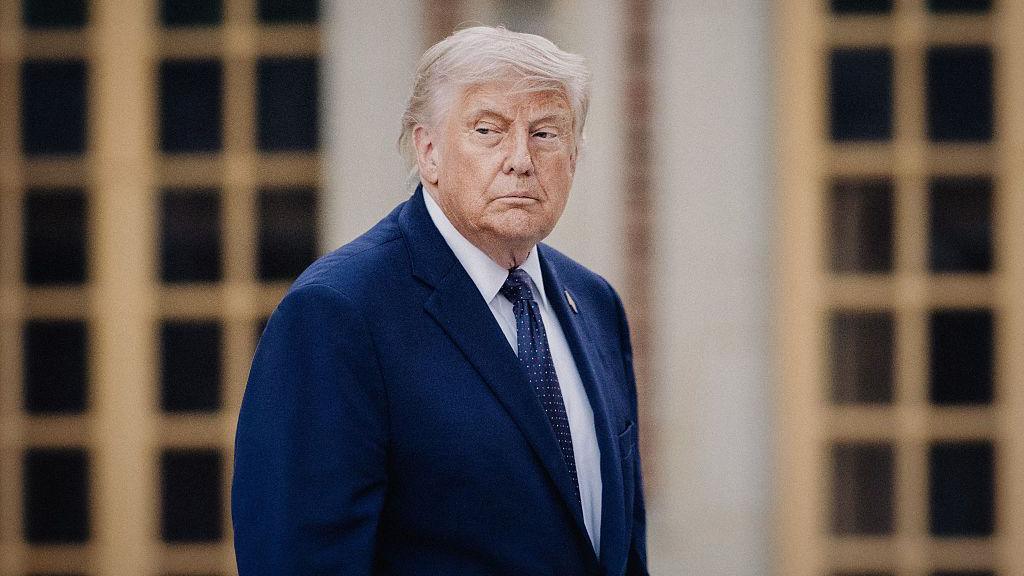
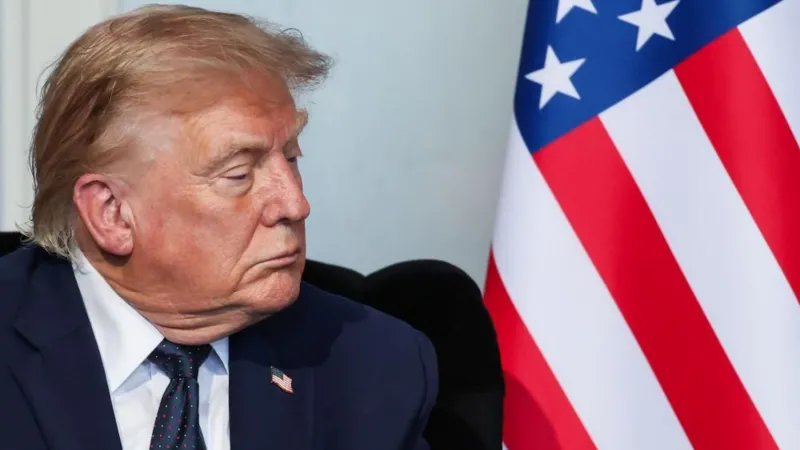
During a meeting with French President Emmanuel Macron at the G7 summit, former U.S. President Donald Trump announced that a preliminary agreement to end hostilities with Iran had already been signed. Trump said, "I am very happy to say it’s signed, the deal is all signed," and promised that the full text would appear shortly after the Friday ceremony in Geneva.
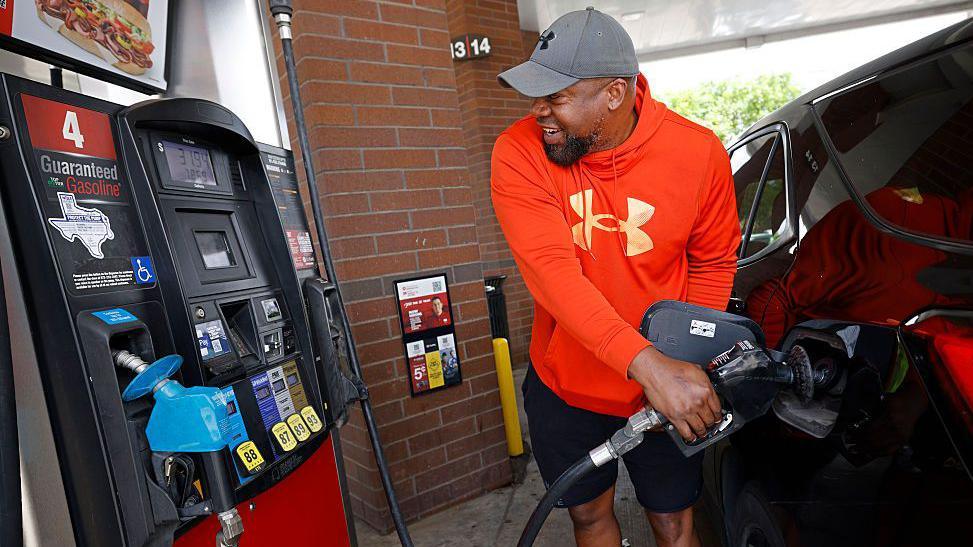
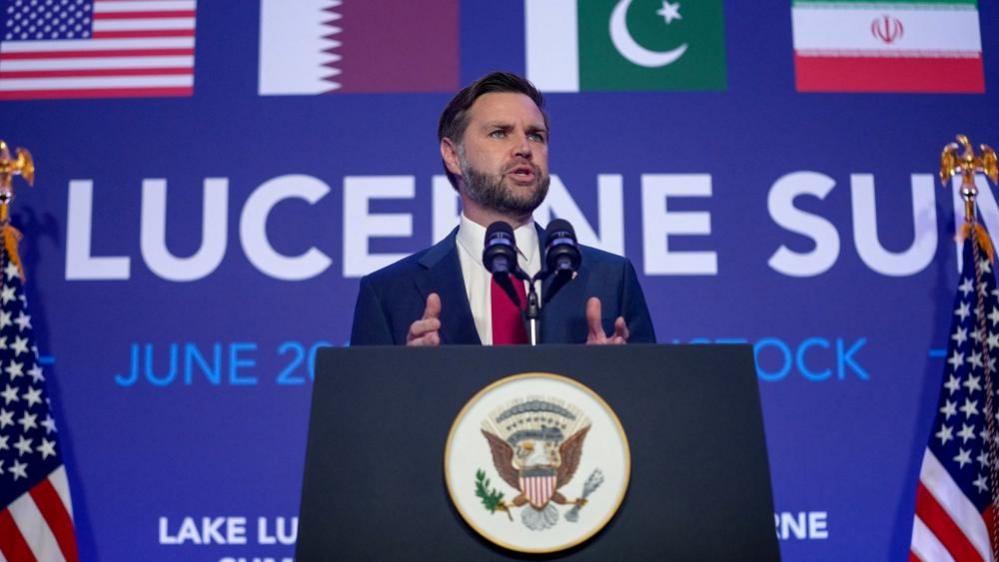
Senior U.S. officials revealed that the deal was signed electronically by Trump, Vice President John D. Vance and Iranian Parliament Speaker Mohammad Bagher Ghalibaf. The agreement is set to cut the Strait of Hormuz, enabling ships to flow through the lower‑risk waterway and potentially easing global oil markets.
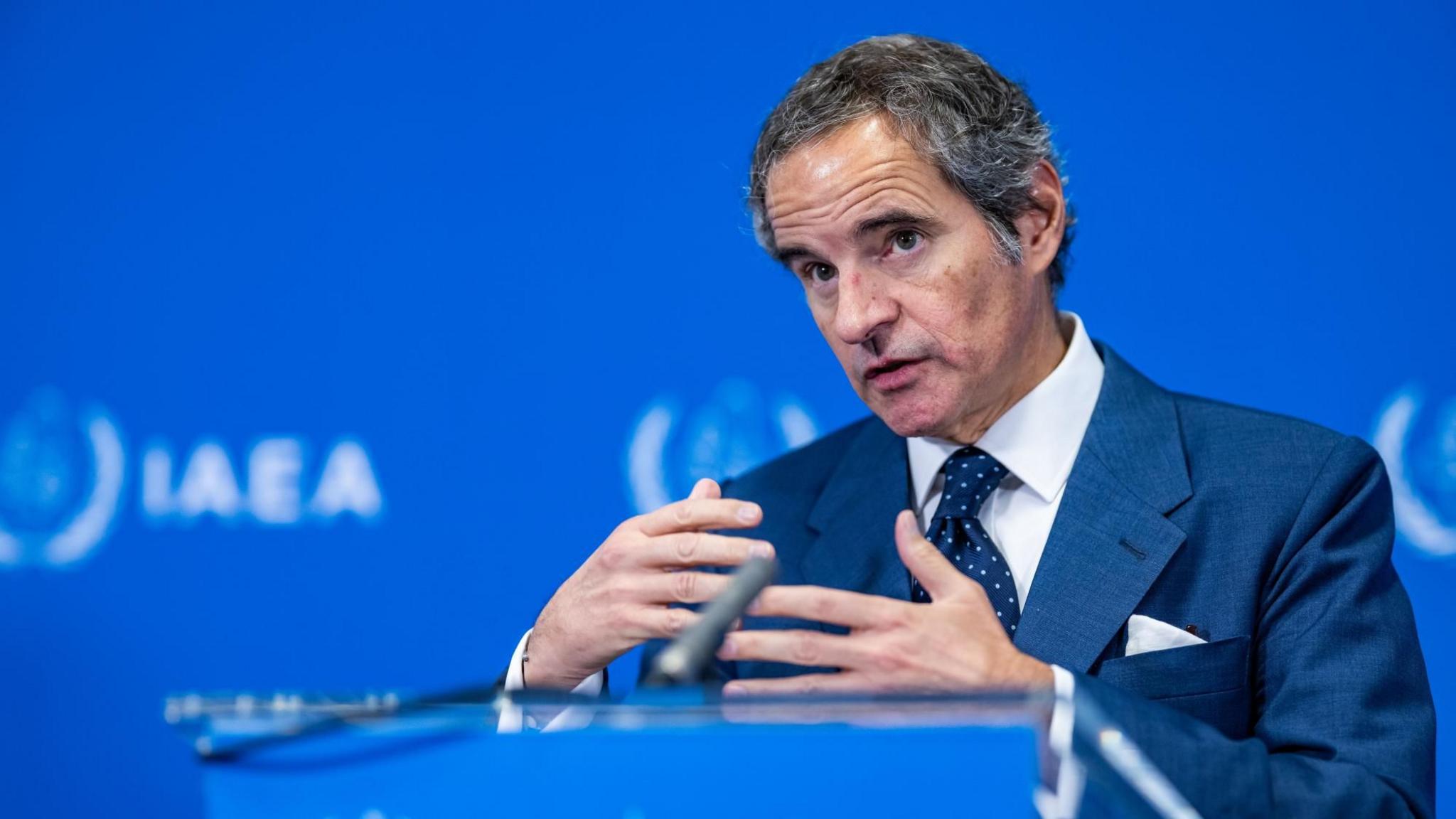
Key provisions include extending a cease‑fire for another 60 days to negotiate a final agreement, opening the Strait of Hormuz on Friday, and beginning technical talks on Iran’s nuclear programme. Iran’s military and proxies purportedly accepted that the U.S. and Israel possess no other options but to surrender.
Iran’s Deputy Foreign Minister Kazem Gharibabadi called the agreement a victory for Tehran, while the Iranian foreign ministry maintained a deep mistrust of U.S. motives, labeling the pact a step toward reduced tensions only.
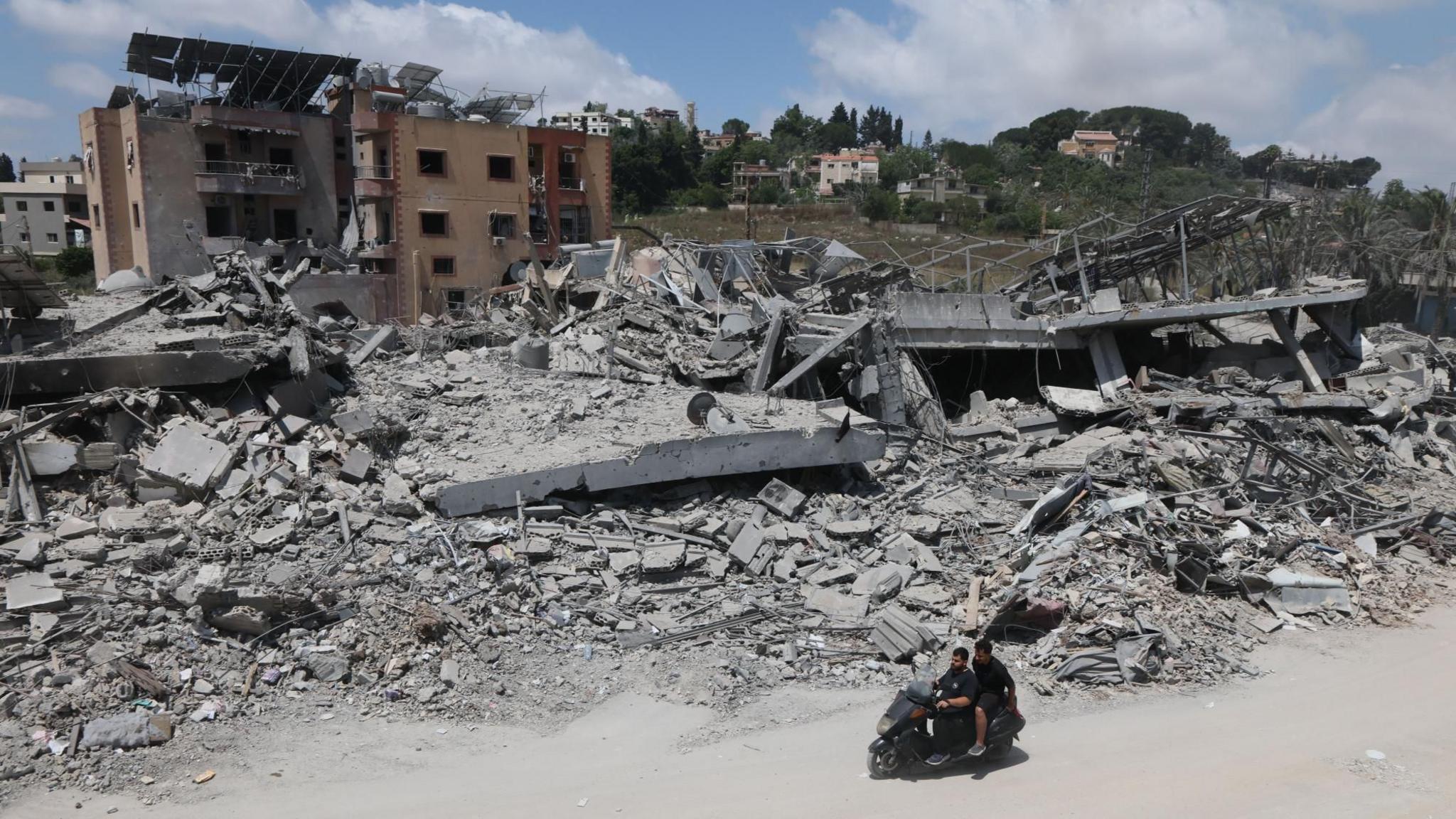
Israel’s Prime Minister Benjamin Netanyahu stated that Israeli forces would remain in security zones in Lebanon, Syria and Gaza, asserting that they retain the right to act against attacks. He also echoed President Trump’s insistence that Iran would never acquire a nuclear weapon.
The United Kingdom, France, Germany and Italy issued a joint statement demanding that Iran never possess a nuclear weapon and confirmed that sanctions could be lifted in response to verifiable progress on Iran’s nuclear programme.
The deal marks a significant diplomatic shift, but its long‑term success hinges on compliance, sanctions easing, and ongoing negotiations in the coming days.