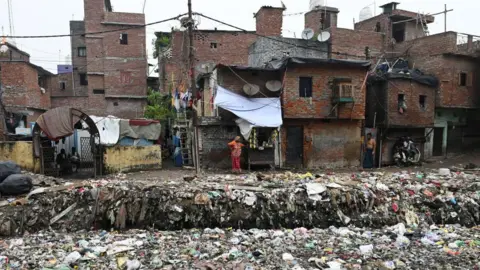
Want the royal charm of Jaipur? Don't come here, just buy a postcard, a local taxi driver quipped during my recent visit to the north-western Indian city.
The resignation reflected a grim reality faced across many Indian cities, now overwhelmed with issues of heavy traffic, extreme pollution, and mountains of waste. Even as investments in infrastructure soar, the lived experience of many urban dwellers declines dramatically.
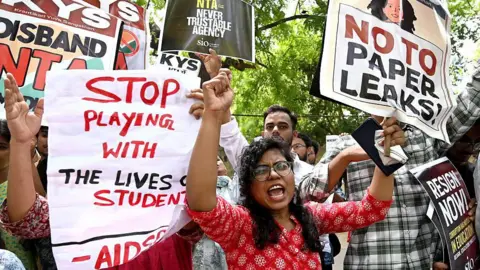
Indian cities, despite significant state-sponsored upgrades, consistently rank low on global liveability indexes. Recent public outcries in Bengaluru against garbage and traffic issues, alongside protests in Mumbai over potholes and flooding during monsoon are revealing of deep-seated frustrations among residents.
Delhi's infamous winter smog, which has recently made headlines, compounds health risks in an already overstressed urban landscape. The problems are exacerbated by a vital lack of governance structures. Critically, Indian cities suffer from a disconnect between rapid urban population growth and an inadequate response from local authorities due to insufficient devolved powers.
The World Bank estimates that over 40% of India's population now resides in urban areas—a staggering increase from just a few decades ago. A historical oversight in governance has left local municipalities ill-equipped to manage such growth. Thus, while cities are expanding—transforming into sprawling, chaotic metropolises—effective management remains a distant goal.
Experts argue that without a credible governance model, revealing adequate responses to urban challenges becomes unlikely. For instance, the 1992 74th amendment aimed to empower local bodies has mostly been ineffective, with vested interests preventing real changes at the grassroots level.
Moreover, the contrast to China's urban management—where mayors have substantial executive powers—brings to light stark differences in approaches to urban governance. India's challenge appears to be not just infrastructural but deeply rooted in its political and administrative fabric.
Ankur Bisen, author of Wasted, articulates how local councils—the supposed frontline of governance—are significantly weakened and often lack power over budgeting or staff decisions. Exceptional transformations have happened, such as in Surat post-plague crises, but those remain outliers rather than indicative of a systemic capability.
For many, the delay in the census, with critical data about urbanization still pending, hinders any progress in addressing these pressing issues. Urbanization continues while the tools to manage and govern are largely absent.
As frustrations grow and the problem becomes more visible, experts suggest India may soon reach a tipping point. Historical precedents of reform often emerge after crises; thus, advocates for urban reform hope that through collective recognition, political momentum might spring forth for change.