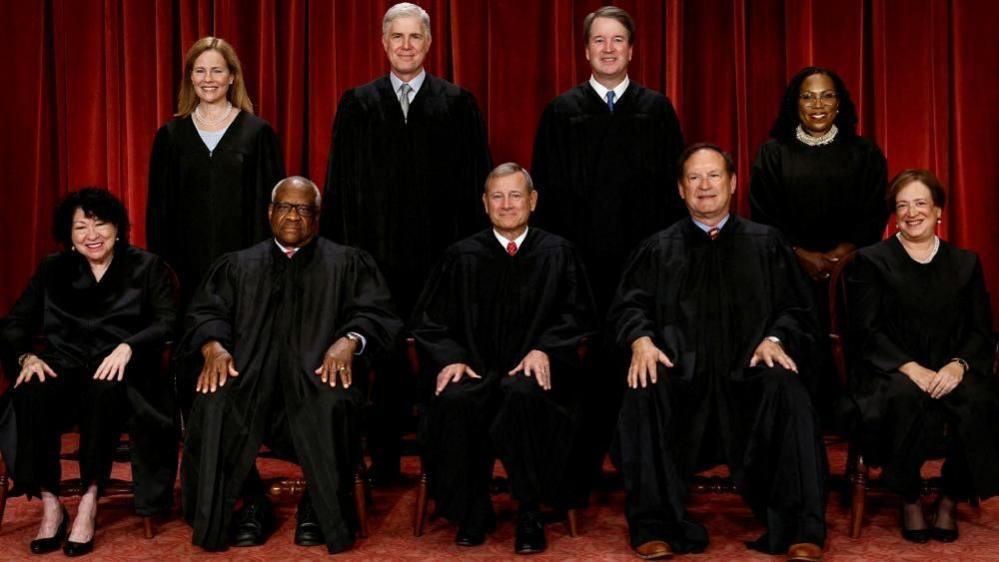
Supreme Court Stifles Trump’s Birthright Push While Expanding His Presidential Reach
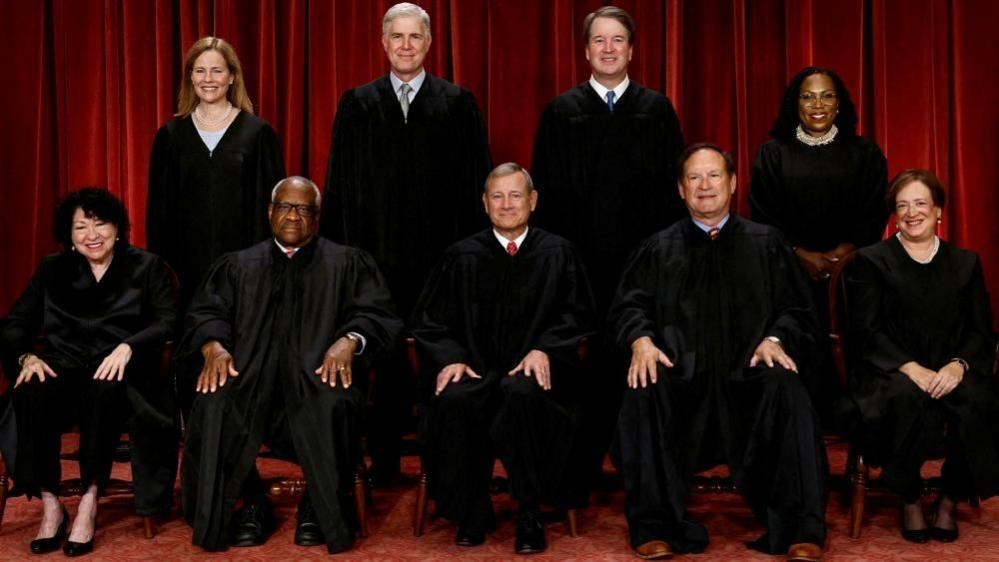
In a pivotal, just‑narrow five‑to‑four ruling, the United States Supreme Court upheld the doctrine of birthright citizenship—granting automatic citizenship to every baby born on U.S. soil. The decision was a textbook defeat for former President Donald Trump, who had campaigned on a promise to restrict citizenship for children of temporary and undocumented migrants.
Trump’s reaction was measured. He described the ruling as “too bad for our country” and then advanced new legislation that would seek to reinstate the ban. However, with the Senate dominated by Democrats, the likelihood of Congress acting on such a proposal remains slim, and any law would face strong constitutional scrutiny.
The episode illustrates a broader trend in the Court’s recent term: while the conservative majority—bolstered by Trump’s Supreme Court appointees—has delivered major victories for the former president, it also has sent ripple effects that deepen executive authority. In the last few months, the Court has sanctioned Trump’s power to dismiss members of independent regulatory agencies, allowed a broader deletion of campaign‑finance limits, and cracked down on policies that would have permitted the National Guard to enforce immigration laws in Chicago.
These wins—many of them incremental—have granted Trump unprecedented control over the federal bureaucracy. The Court’s legality‑based approach to such authority means that future presidents will likely enjoy similar leeway in shaping labor, environmental, election, and communications policy. Consequently, Trump continues to shape the judiciary’s direction even after leaving office, as analysts note the pendulum may swing again with potential retirements on the Court.