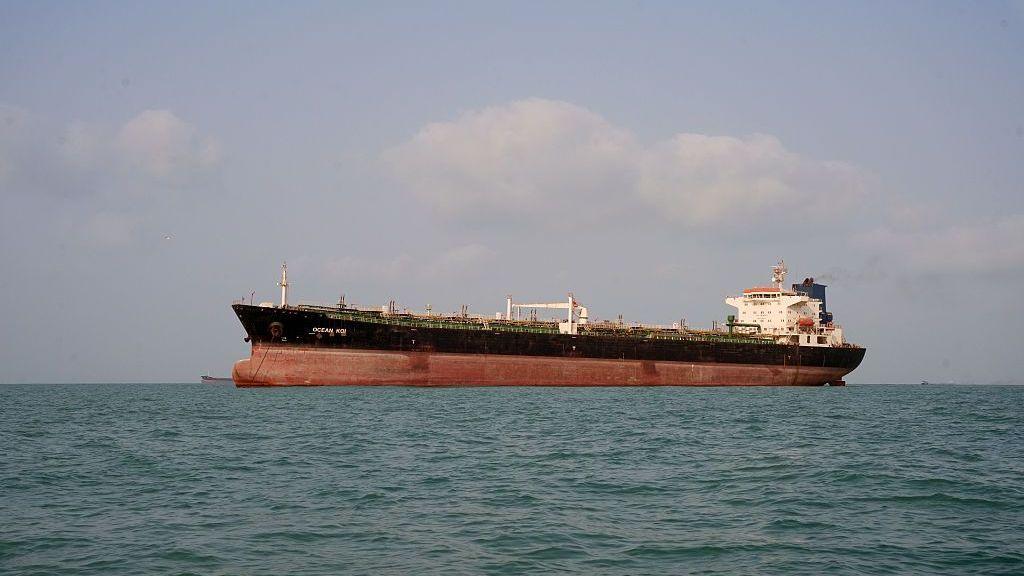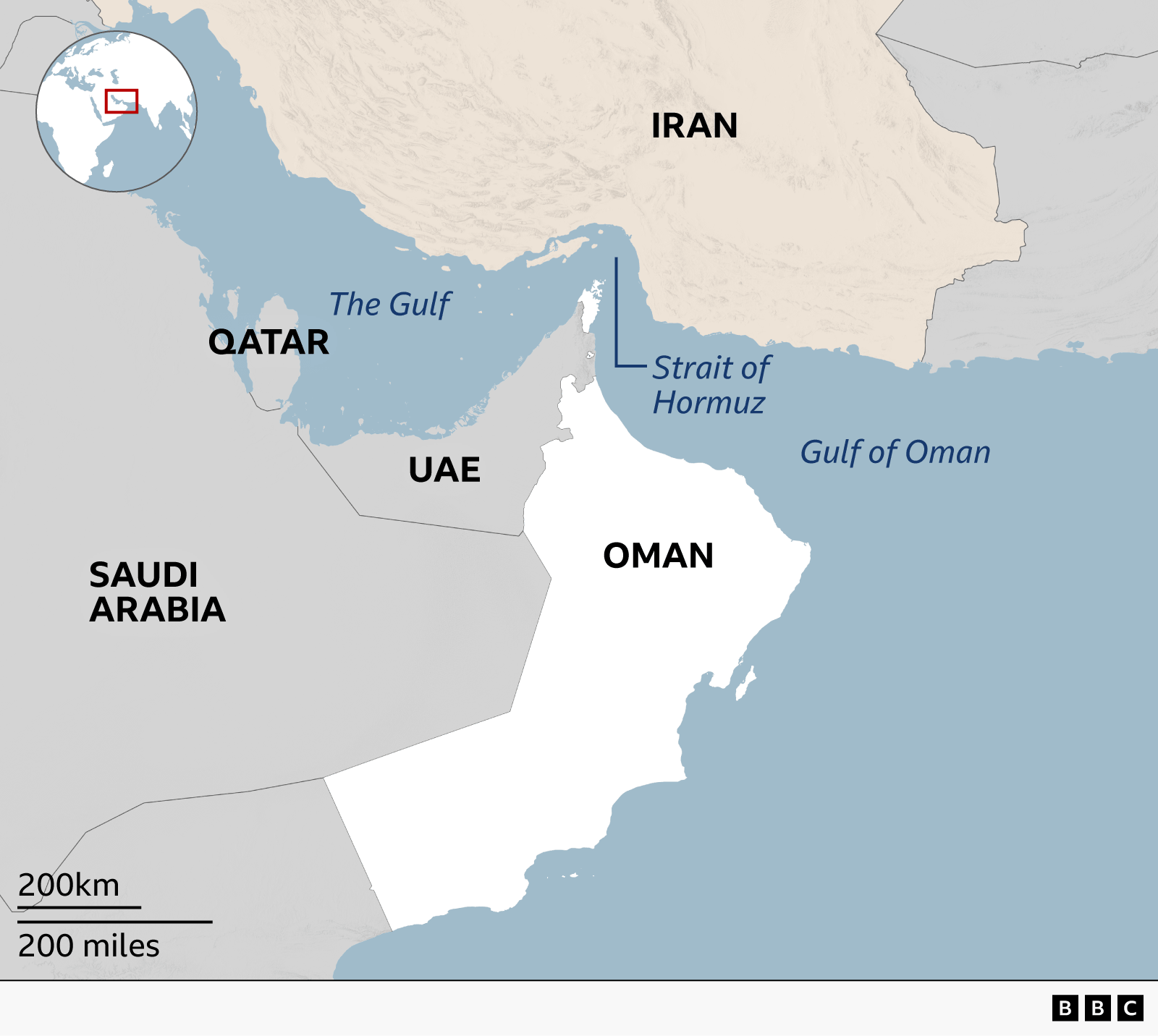
In a tone that brooks no diplomatic negotiation, Iranian parliament speaker Mohammad Bagher Ghalibaf warned that Tehran would launch a "faster, heavier, and more painful" response to U.S. attacks on Iranian-linked oil tankers. The statement came hours after a U.S. Central Command video was released showing strikes on two tankers in the Gulf, a move critics say mirrors past U.S. retaliation.
Ghalibaf’s warning, translated by state media, was a reminder to Washington that “the rules of the game have changed.” He urged U.S. officials to understand the stakes before it is too late, echoing Tehran’s long‑standing message that any provocation will be met with overwhelming force.
According to U.S. officials, the attacks were a response to Iranian air strikes on American warships in the region last week. The United States, for its part, stated that it had targeted the tankers in retaliation for a separate incident in which an Iranian navy vessel allegedly fired upon an American unmanned craft attempting to enter the Strait of Hormuz.
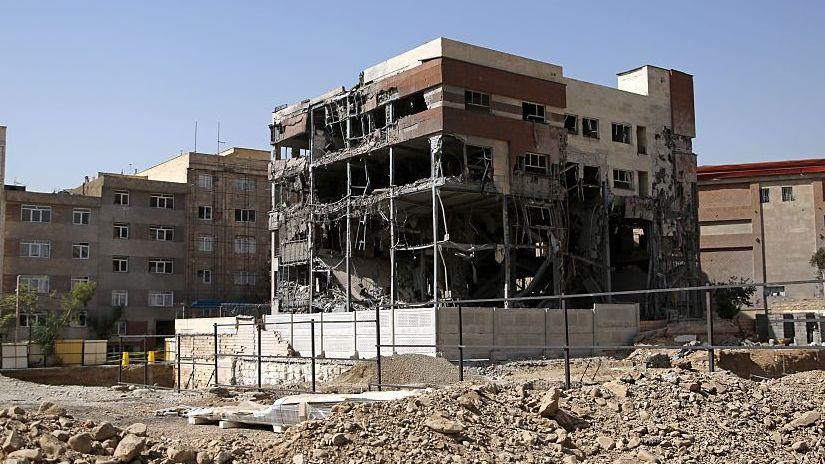
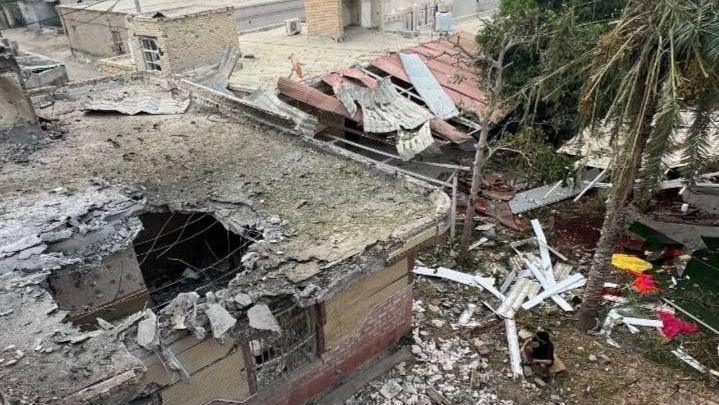
The conflict entered a new phase when a 60‑day ceasefire that had been in place for the past month expired last month, unleashing a wave of strikes. Over the past week, the U.S. has launched several air strikes against Iranian targets, while Iran has responded with shelling against U.S. and allied facilities in the United Arab Emirates, Bahrain, Kuwait and Jordan.
The United States has reiterated that the Strait of Hormuz remains open and that its naval forces are escorting commercial traffic through the southern route. Despite the reopening, the strait remains a critical chokepoint for about nine million barrels of oil a day, a fact that fuels the stakes for both sides.
Energy Secretary Chris Wright told CNN that with majority of flows still passing through pipelines, oil prices should ease as summer demand wanes. Nonetheless, the average U.S. diesel price last week hit $5.85 per gallon, a steep rise over the previous year’s $3.71.
President Donald Trump, meanwhile, has repeatedly stated that the renewed fighting will not "last too long," a sentiment echoed by the Trump administration over the six-month-long war that began in February. However, recent U.S. statements, such as Defence Secretary Hegseth’s social‑media post promising to sink Iranian oil tankers if they shoot at U.S. ships, suggest that the threat of escalation is very much present.
With the Gulf’s vital shipping lanes contested, the next days could define whether the escalation descends into a wider conflict or reverts to a low‑level standoff. OnPoint provides continued coverage and expert analysis on this evolving crisis.