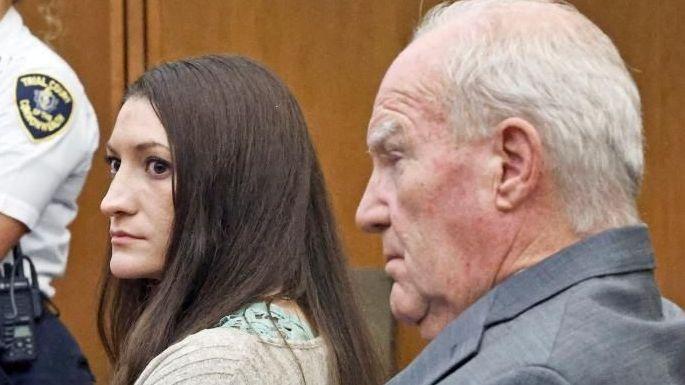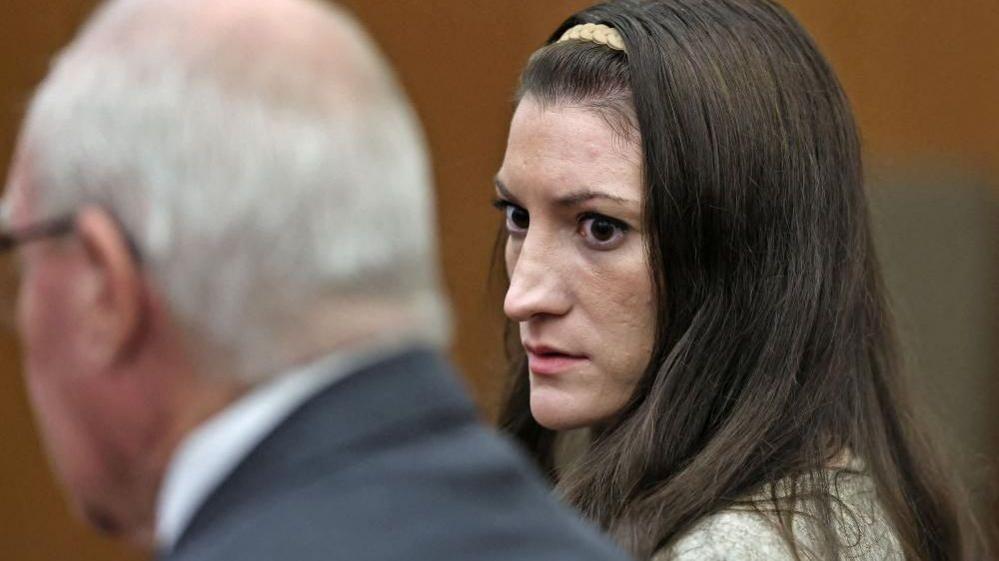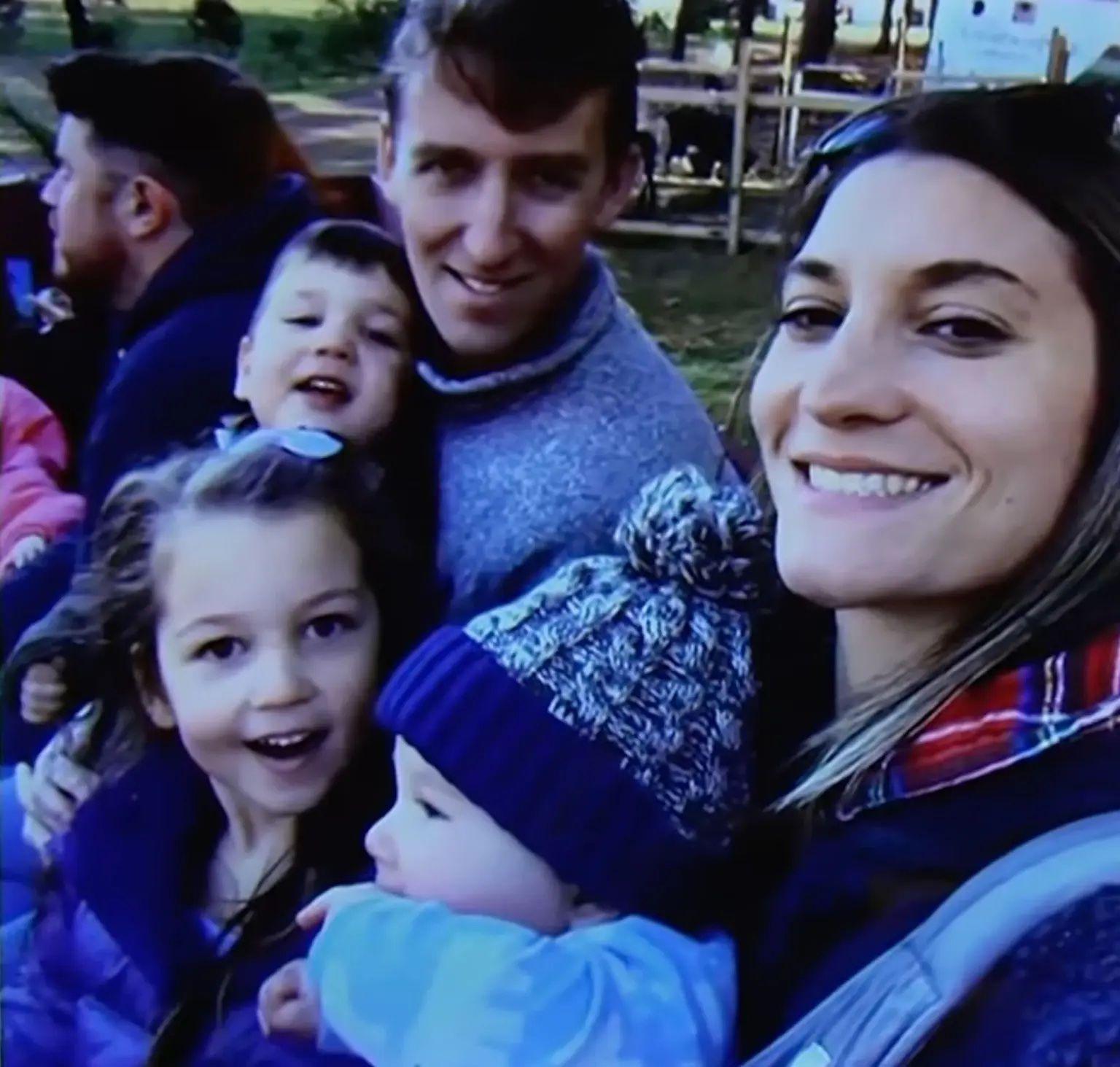

In a surreal moment on Friday, Massachusetts Judge William Sullivan declared a mistrial after an 11‑day jury failed to reach a unanimous verdict on whether Lindsay Clancy could be held criminally liable for the deaths of her three children. The decision followed a week of intense deliberations, during which a juror’s holdout led the panel to repeatedly declare they could not agree.
Clancy, 36, was tried on three first‑degree murder charges, though her defense argued she suffered from postpartum psychosis and was not in control of her actions. During the trial, her lawyer Kevin Reddington demanded a juror be removed, but the judge denied the motion and sent the panel back to debate. When the holdout remained, Sullivan was forced to rule that no conviction could be secured.
The case remains open: prosecutors will hold a hearing on September 29 to decide whether to retry Clancy or pursue a plea agreement. While she remains confined to a state mental‑health facility, the mistrial leaves her on the same murder charges.
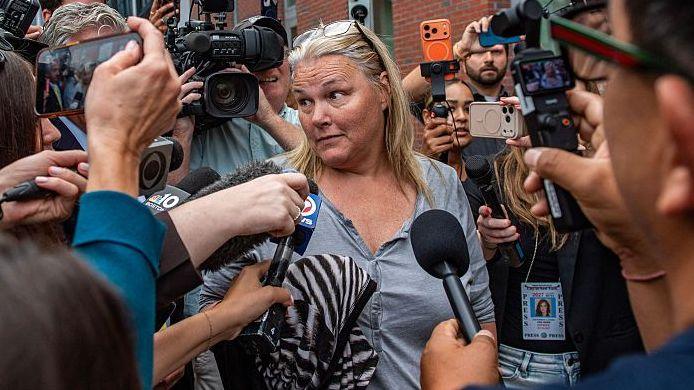
Public reaction has been swift. The President described the tragedy as "horrible" and hinted at a potential new trial, while experts and families continue to debate the role of postpartum psychosis in the legal aftermath. The trial, watched live by thousands, has highlighted the delicate intersection of mental health and criminal responsibility.
While the mistrial resolves the jury’s impasse, it opens another chapter for the prosecution and defense to reconsider the evidence and legal strategy. The national attention on the case underscores how rare and complex domestic‑violence trials can be, especially when mental‑health issues are central.
If you are feeling distressed after reading about this case, please seek help from a health professional or contact a support organization.