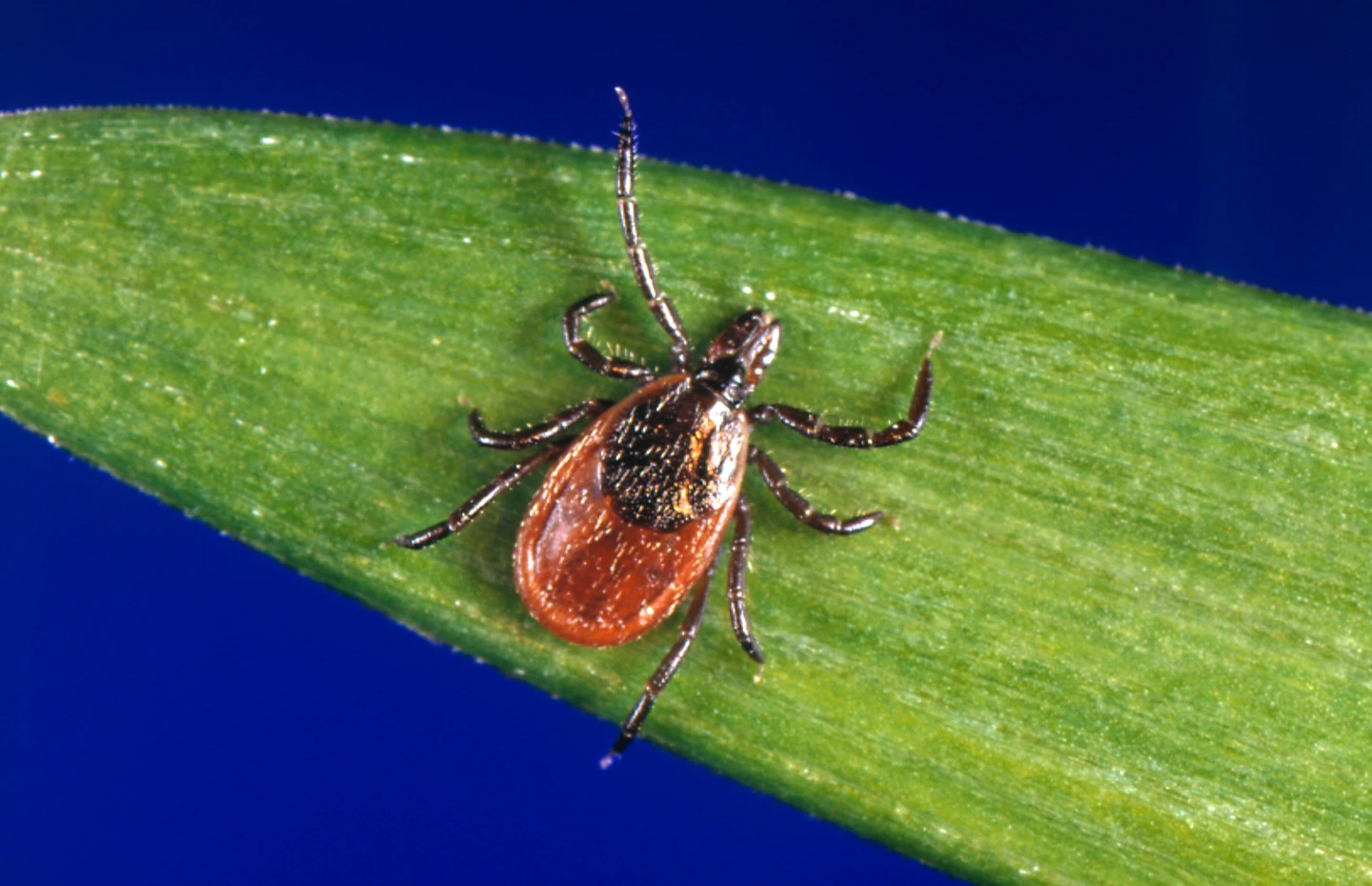
NEW YORK — Tick season has emerged with an alarming acceleration, as reports of bites have surged across the United States. Medical professionals are raising concerns over the risk of a significant uptick in tick-borne diseases following this unusual early spike in encounters with ticks. Dr. Alina Filozov, an infectious disease specialist at Middlesex Hospital in Connecticut, stated, If you have a lot of exposures, there will probably be more cases of tick-related infections.
To address the escalating threat, the Centers for Disease Control and Prevention (CDC) issued a public advisory urging people to remain vigilant against ticks. Traditionally, tick bites see a peak in May, yet CDC expert Alison Hinckley notes that current data indicates action is necessary now: Ticks are out and people are getting bitten.
**ER Visits for Tick Bites Reach New Highs**
Preliminary data indicates that emergency room visits for tick bites are at their highest rates for this time of year since 2017, a troubling trend observed across most regions besides the south-central United States. While approximately 85% of U.S. emergency departments report data to the CDC’s tracking system, many cases go unreported as they often do not involve hospital visits. Medical experts expect it will take time to assess overall tick populations and the incidence of diseases like Lyme disease, as not all bites lead to infections.
**Diversity of Tick-Borne Diseases**
Ticks, recognized as arachnids, thrive in warm, humid conditions and often increase in number post-mild winters. They can transmit serious illnesses, including Lyme disease, Rocky Mountain spotted fever, and alpha-gal syndrome, which results in a red meat allergy. Lyme disease alone affects an estimated 476,000 individuals annually in the U.S., generally treatable with antibiotics.
Thus far in 2023, large adult ticks have been predominant in the Northeast, but experts anticipate an increase in juvenile nymphs, which are smaller and more difficult to detect, raising the likelihood of infection as people spend more time outdoors.
**Connecticut's Tick Challenge**
Connecticut, the namesake of Lyme disease, is seeing heightened tick activity, with reports indicating an average of 30 ticks submitted daily for testing. Alarmingly, 40% of those tested were found to harbor the bacteria responsible for Lyme disease. Factors like an increased mouse population over the past two years have contributed to this surge, prompting wildlife experts to predict an ongoing worsening of the tick situation.
**Preventing Tick Bites**
To reduce the risk of tick bites, experts recommend avoiding wooded and grassy areas, wearing light-colored clothing treated with permethrin, and using EPA-registered insect repellents. Immediate removal of ticks is crucial, though professional medical intervention is generally only necessary if a tick has been attached for several days or if symptoms arise.
As the situation develops, public awareness and preparedness will be key in combating the potential spread of tick-borne diseases this season.
To address the escalating threat, the Centers for Disease Control and Prevention (CDC) issued a public advisory urging people to remain vigilant against ticks. Traditionally, tick bites see a peak in May, yet CDC expert Alison Hinckley notes that current data indicates action is necessary now: Ticks are out and people are getting bitten.
**ER Visits for Tick Bites Reach New Highs**
Preliminary data indicates that emergency room visits for tick bites are at their highest rates for this time of year since 2017, a troubling trend observed across most regions besides the south-central United States. While approximately 85% of U.S. emergency departments report data to the CDC’s tracking system, many cases go unreported as they often do not involve hospital visits. Medical experts expect it will take time to assess overall tick populations and the incidence of diseases like Lyme disease, as not all bites lead to infections.
**Diversity of Tick-Borne Diseases**
Ticks, recognized as arachnids, thrive in warm, humid conditions and often increase in number post-mild winters. They can transmit serious illnesses, including Lyme disease, Rocky Mountain spotted fever, and alpha-gal syndrome, which results in a red meat allergy. Lyme disease alone affects an estimated 476,000 individuals annually in the U.S., generally treatable with antibiotics.
Thus far in 2023, large adult ticks have been predominant in the Northeast, but experts anticipate an increase in juvenile nymphs, which are smaller and more difficult to detect, raising the likelihood of infection as people spend more time outdoors.
**Connecticut's Tick Challenge**
Connecticut, the namesake of Lyme disease, is seeing heightened tick activity, with reports indicating an average of 30 ticks submitted daily for testing. Alarmingly, 40% of those tested were found to harbor the bacteria responsible for Lyme disease. Factors like an increased mouse population over the past two years have contributed to this surge, prompting wildlife experts to predict an ongoing worsening of the tick situation.
**Preventing Tick Bites**
To reduce the risk of tick bites, experts recommend avoiding wooded and grassy areas, wearing light-colored clothing treated with permethrin, and using EPA-registered insect repellents. Immediate removal of ticks is crucial, though professional medical intervention is generally only necessary if a tick has been attached for several days or if symptoms arise.
As the situation develops, public awareness and preparedness will be key in combating the potential spread of tick-borne diseases this season.