On Friday afternoon, a powerful 7.7‑magnitude earthquake jolted Panama at a depth of just 12 km, sparking boulders of destruction that stretched from the southern tip to the capital city. Roughly 4.6 million people felt moderate to severe tremors, according to the US Geological Survey.
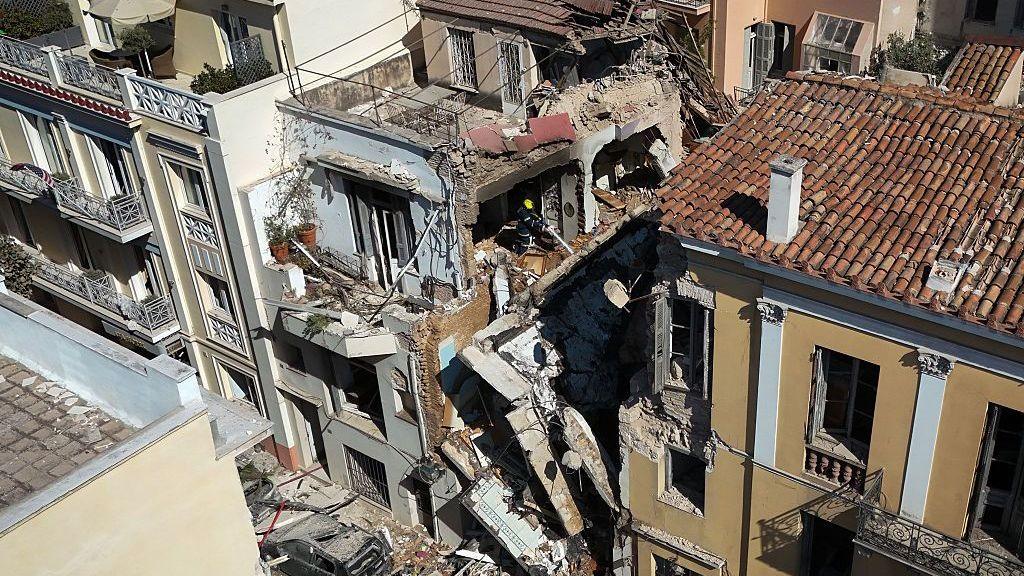
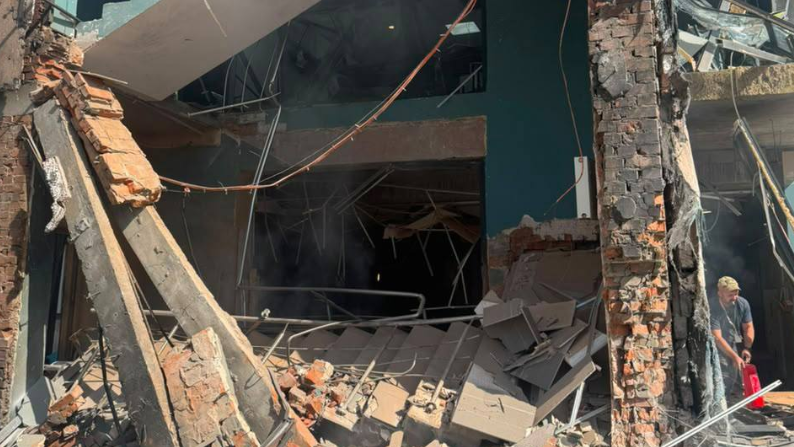
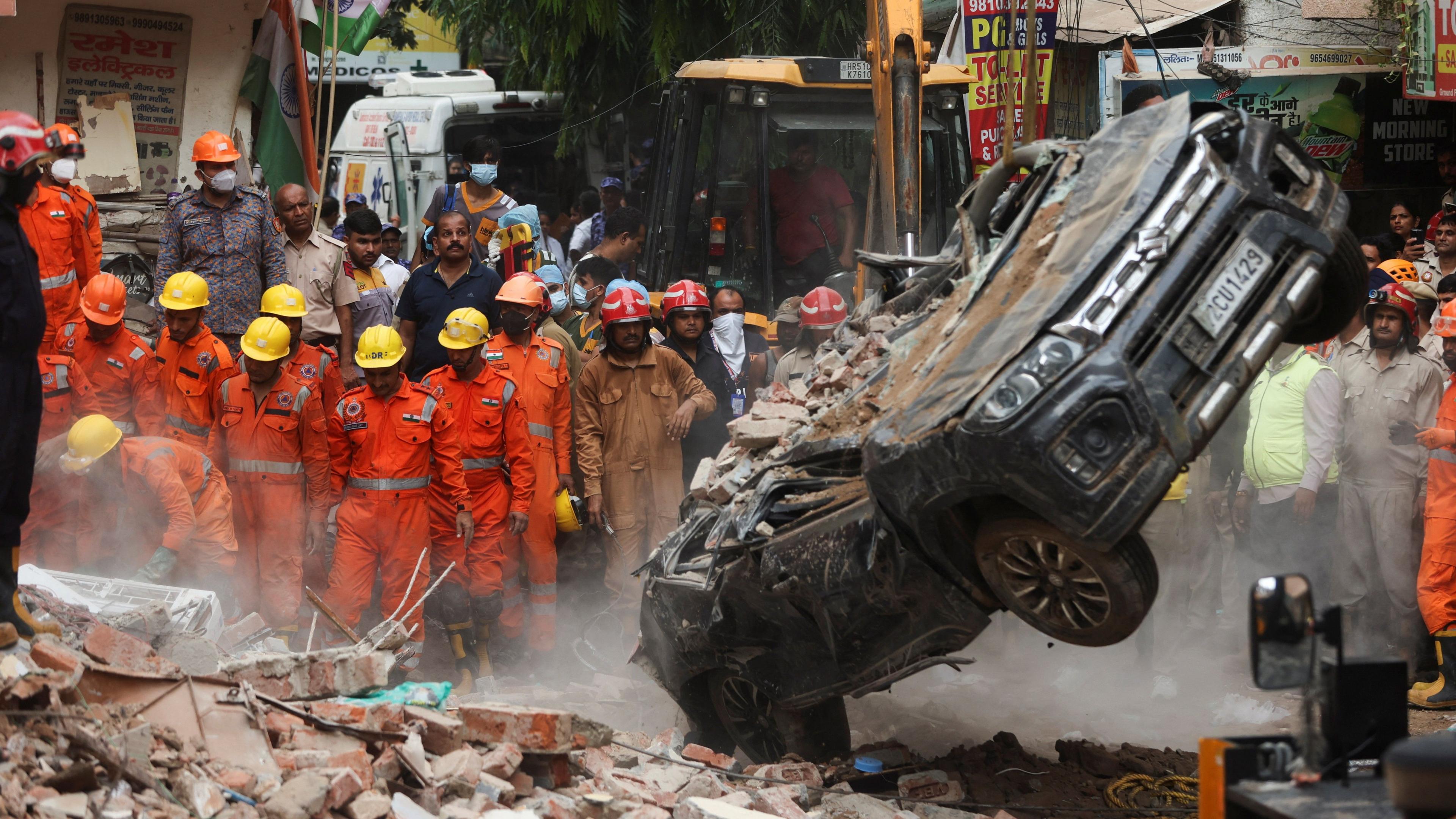
The epicentre lay about 10 km from the town of Pitaloza Arriba in south‑central Panama, and initial footage shared on social media showed entire buildings crumbled in Penonomé and Soná. A man was seen shouting for help as rubble fell, but officials say no casualties have been reported yet.
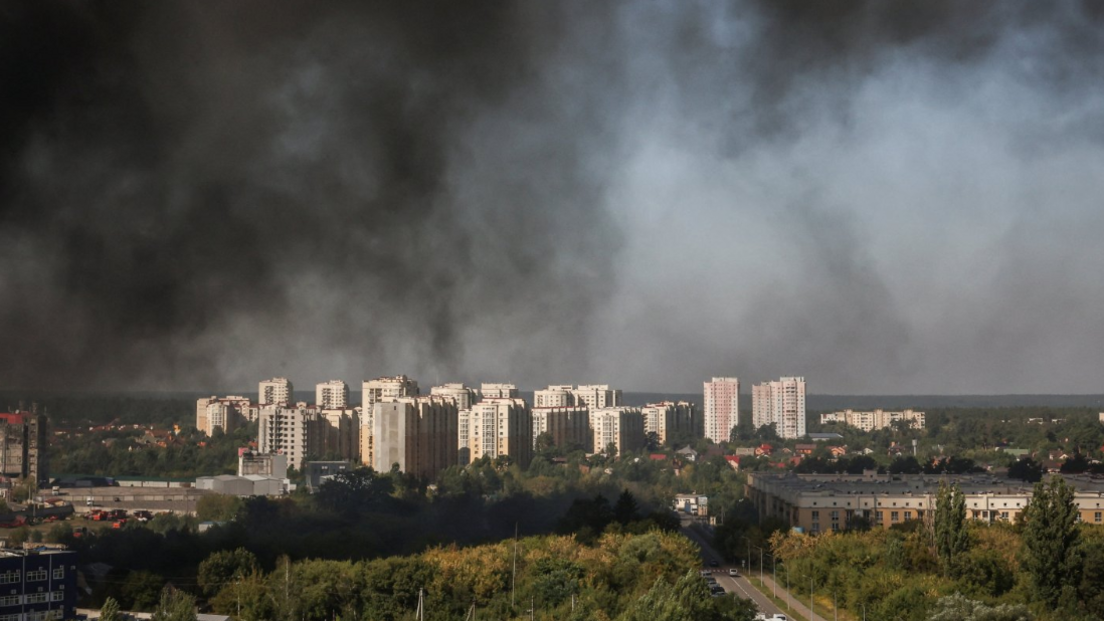
In the capital, Panama City, residents were evacuated from high‑rise buildings and markets, with many taking shelter in parks until the shaking stopped. Damage in the city was largely limited to debris falling from roofs, the city’s emergency services report.
Senior residents in the southern Herrera province, including 74‑year‑old Ricardo Brown, described cracked walls and the constant fear of collapse after the quake rattled their homes. Brown’s comments echo a growing unease among isolated communities witnessing widespread damage.
Seismic monitors have logged several large aftershocks in the days that followed, raising concerns that further unrest could complicate rescue and recovery operations.
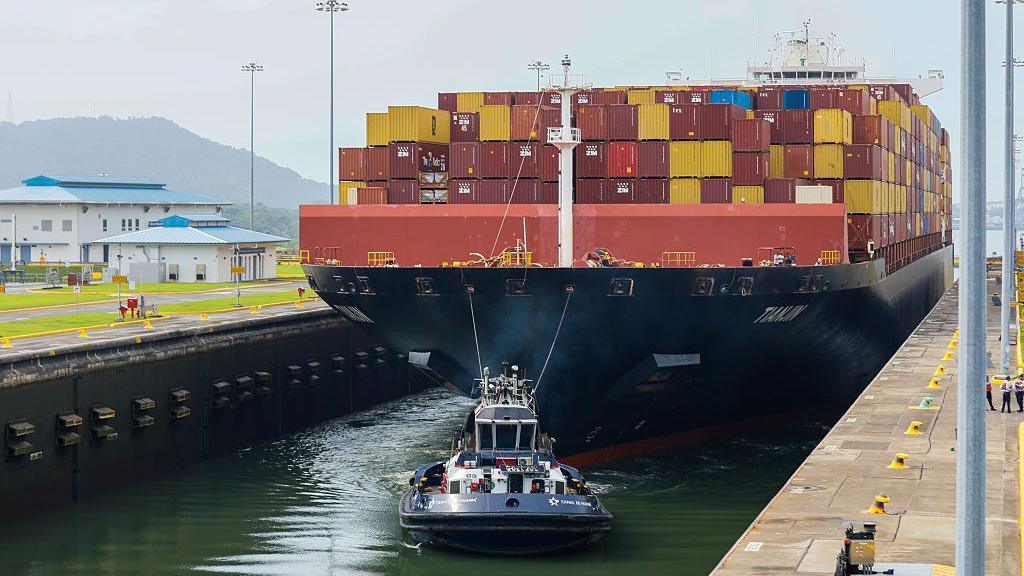
While the earthquake shook plans for a national evacuation drill scheduled for three days later, the Panama Canal reported no damage and continued permitting maritime traffic.
Tsunami warnings were initially issued for 11 neighbouring countries but were quickly dismissed by the US Tsunami Warning System after confirming no threat.
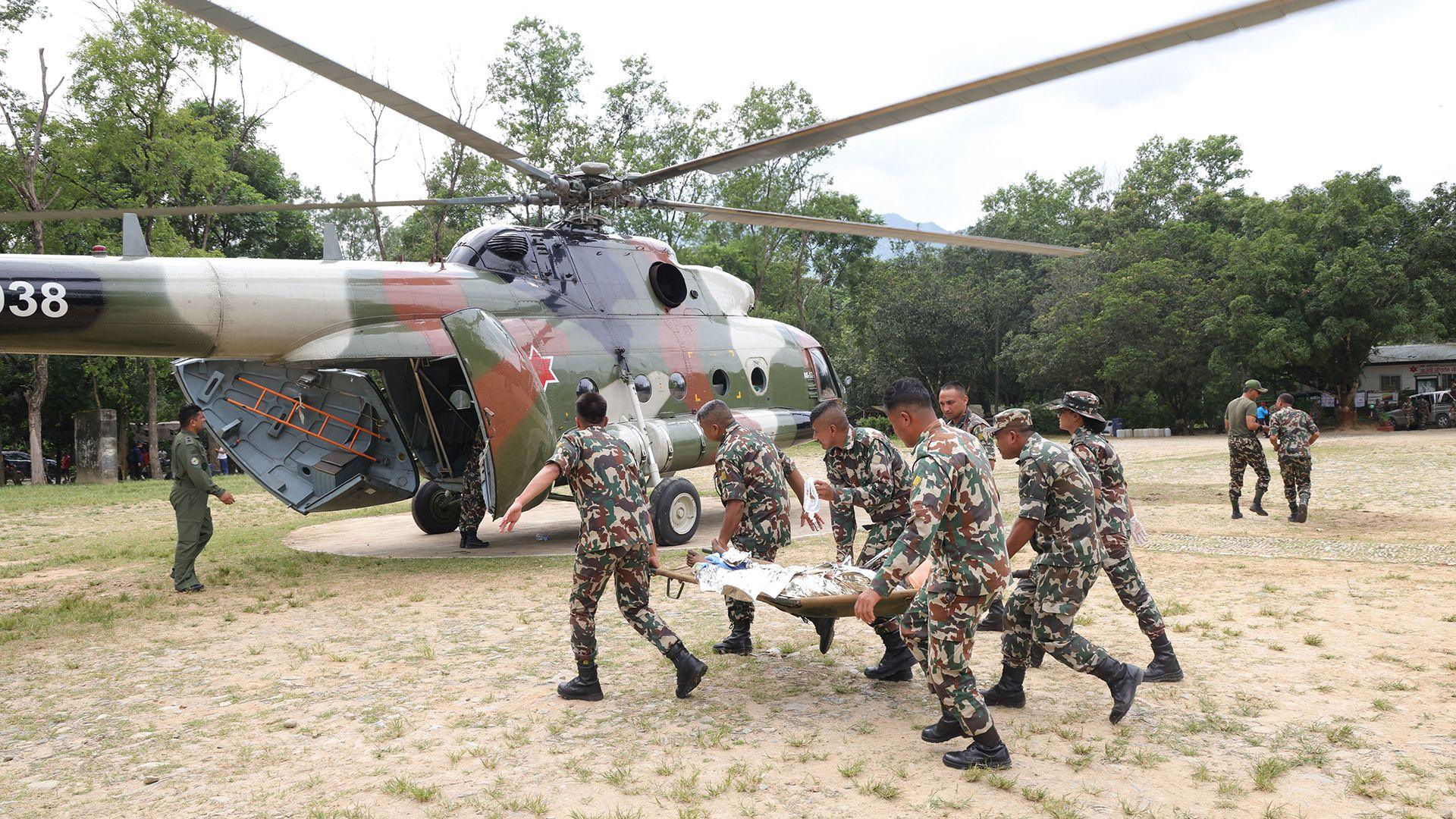
President José Raúl Mulino said the government had mobilised resources, insisting that the incident should not spur panic or disorder. Analysts note that the event underscores the urgent need for better disaster preparedness and resilient infrastructure across Panama.

With Panama positioned along a critical tectonic boundary that has seen repeated tremors, the 7.7‑magnitude quake is a stark reminder of the region’s vulnerability and the importance of continuous improvement in seismic risk response.