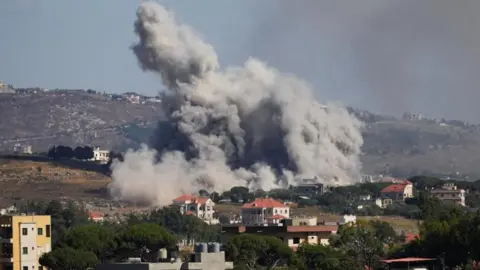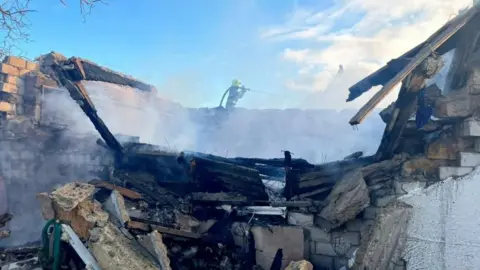
More than a million households are without electricity in Ukraine after a barrage of overnight Russian strikes hit energy and industrial infrastructure, officials said.
Ukraine's internal affairs minister, Ihor Klymenko, confirmed that five regions were affected and at least five individuals were injured. Emergency services are currently working to extinguish fires and restore electricity supplies.
While Russian attacks on Ukraine's energy infrastructure have been consistent throughout the war, Moscow has intensified these strikes as the country approaches the winter months.
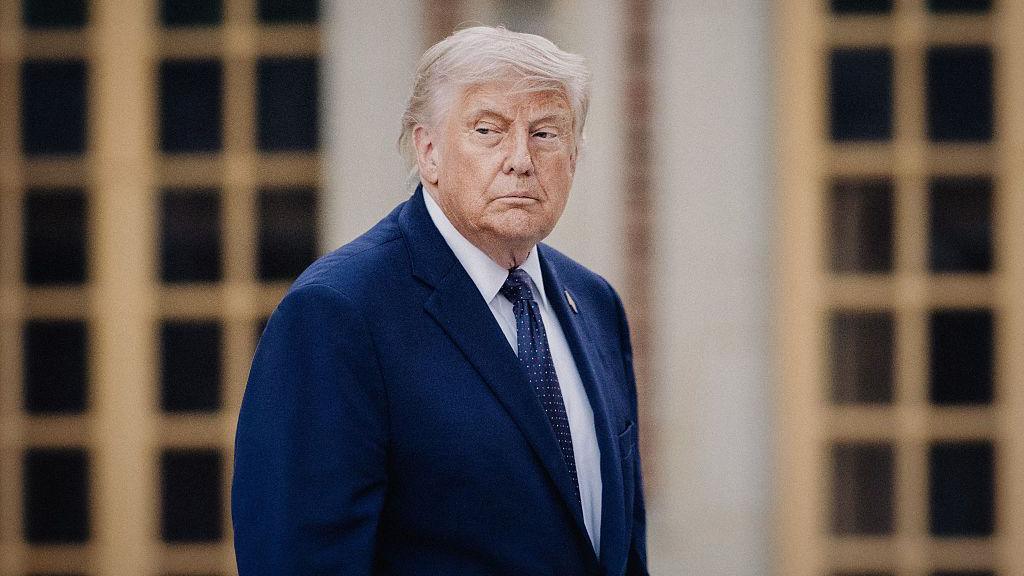
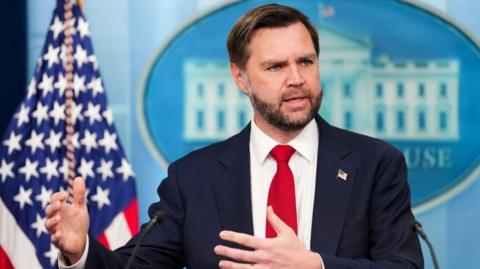
This latest escalation comes as US President Donald Trump's envoy prepares to meet with Ukrainian President Volodymyr Zelensky and European leaders in Germany to discuss potential strategies for ending the conflict.
On Saturday, Zelensky reported that over 450 drones and 30 missiles were deployed by Russia during the attacks. The affected regions include Dnipropetrovsk, Kirovohrad, Mykolaiv, Odesa, and Chernihiv.
Russia's defense ministry stated that advanced weaponry, including Kinzhal hypersonic missiles, were utilized in the strikes.
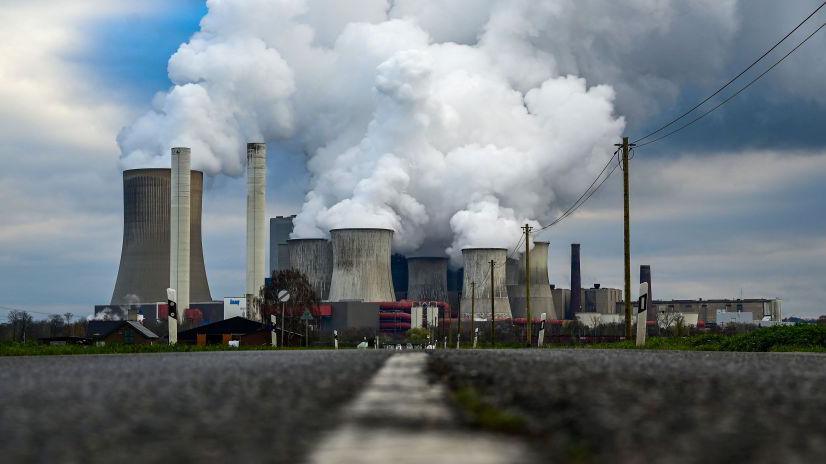
Amid ongoing military actions, the International Atomic Energy Agency reported that Ukraine's Zaporizhzhia nuclear power plant temporarily lost all external power but has since been reconnected. The plant, located in Russian-controlled territory, is essential to maintain cooling systems for its reactors.
In reaction to the drone strikes from Ukraine, regional governor Roman Busargin announced two fatalities in Saratov following a Russian attack on a residential area.
The Trump administration is advocating for a ceasefire deal to be reached by Christmas. Several rounds of negotiations have been held, yet tangible progress remains elusive.
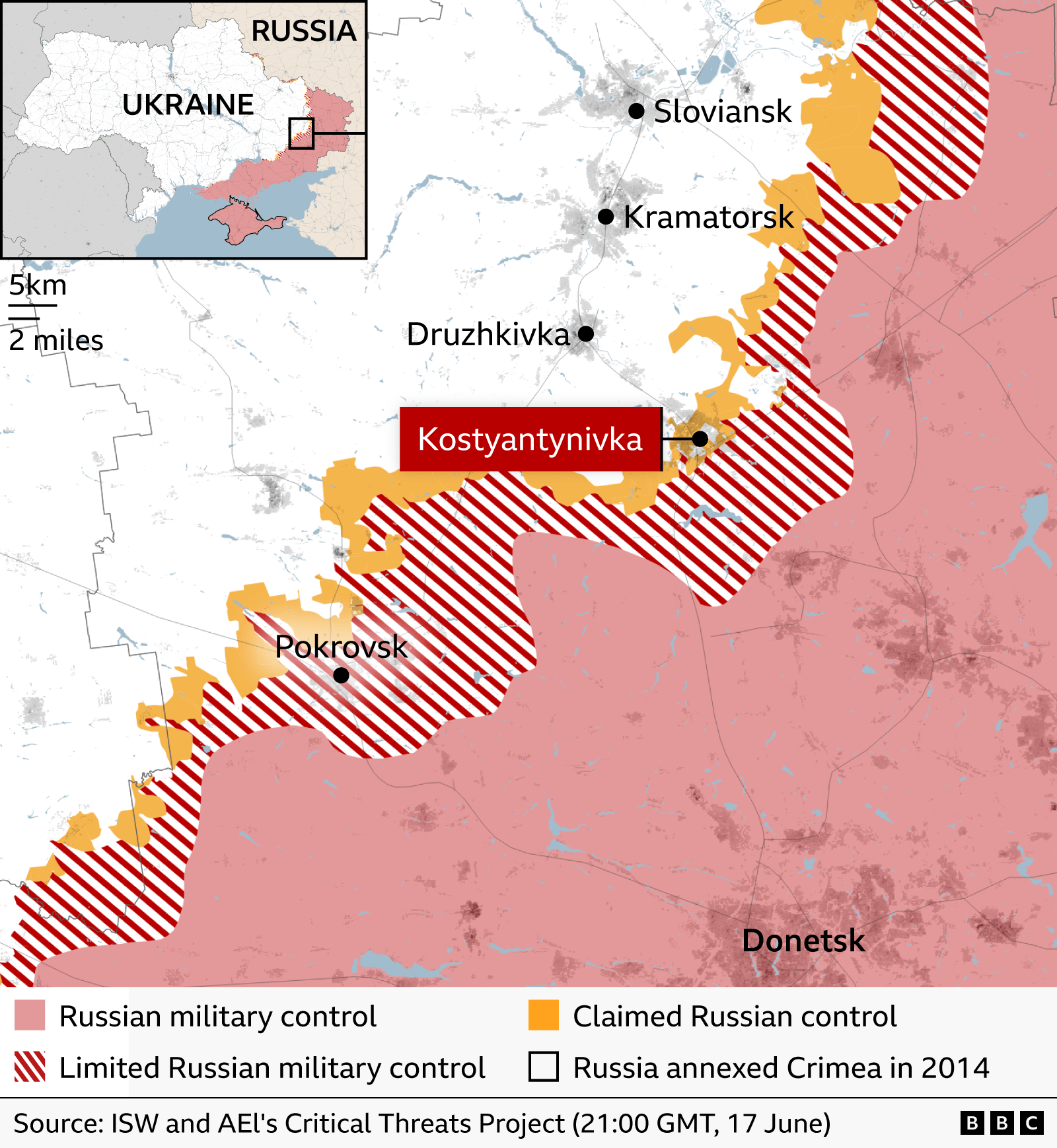
The fate of eastern Ukrainian territories is a central issue in ongoing peace discussions, with Kyiv refusing to give up land currently occupied by Russian forces. Moscow has maintained its intent to gain full control over the Donbas region.
Zelensky has expressed skepticism regarding US proposals that would involve turning the contested areas into a demilitarized zone, questioning the security efficacy of such plans.
As diplomatic efforts continue, the Ukrainian government faces a considerable financial challenge, requiring approximately €135.7bn (around $159bn) over the next two years to support military operations and reconstruction efforts.
EU nations recently agreed to indefinitely freeze around €210bn in Russian assets held in Europe, which is intended to be leveraged for military support to Ukraine.
As the humanitarian crisis deepens and tensions rise, focus remains on both the military developments and the potential for successful diplomatic resolution.