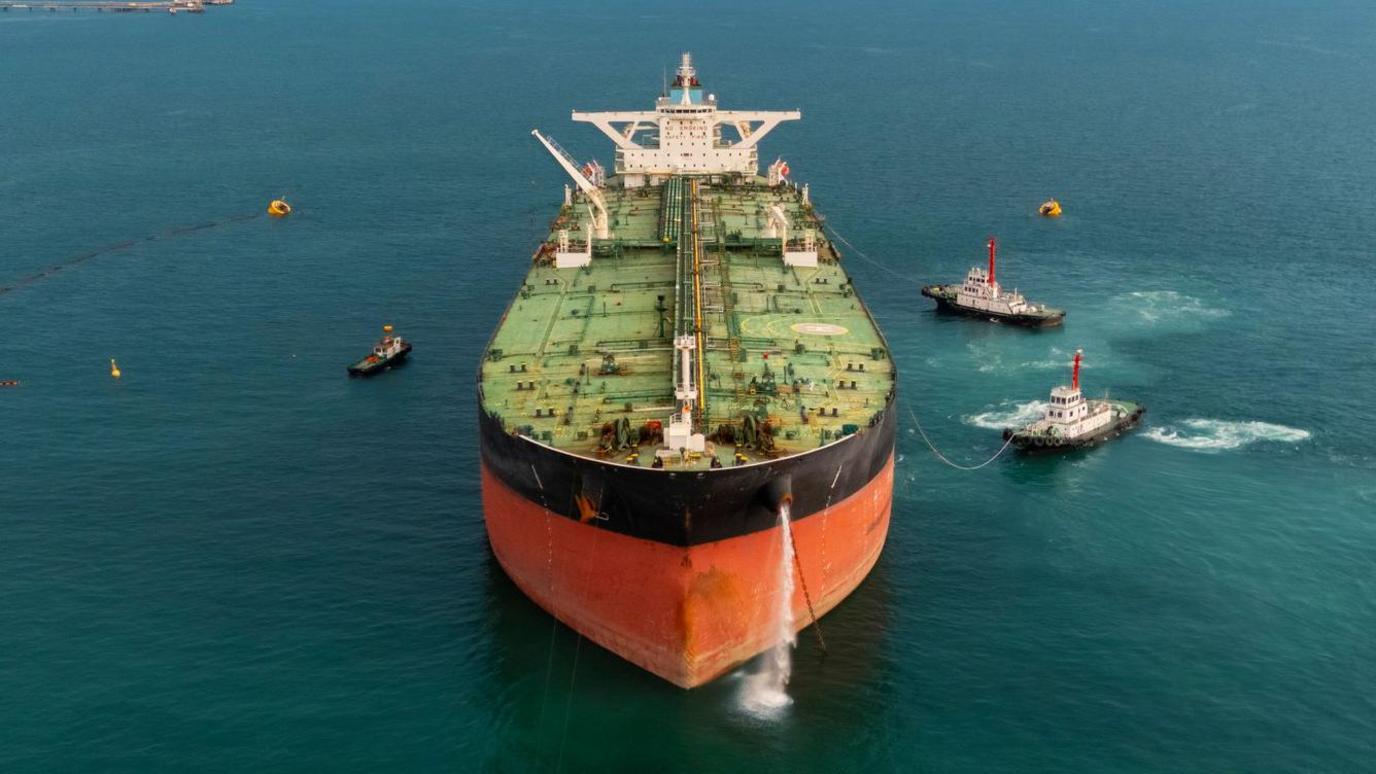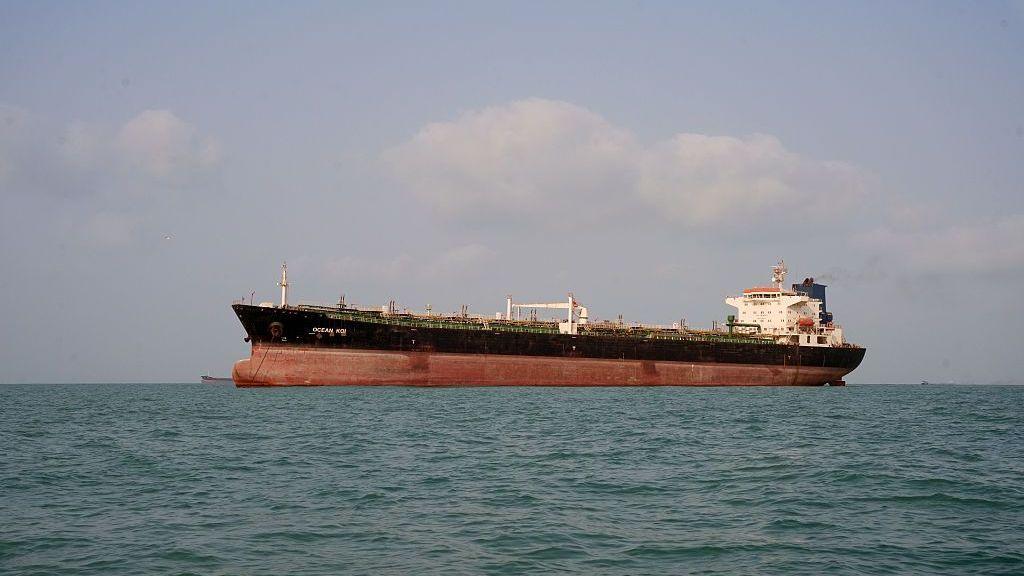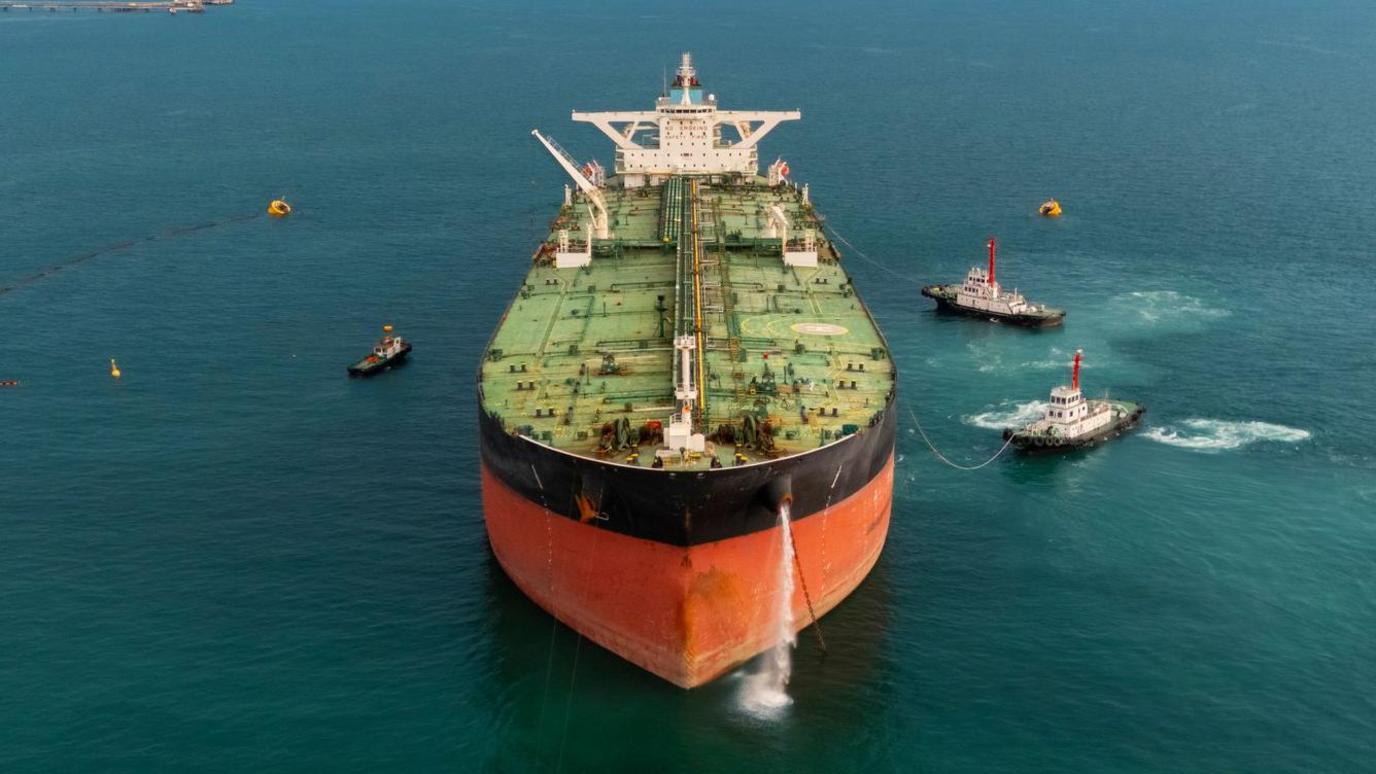
Oil tanker security determined to be at its worst since the start of the Iran war.
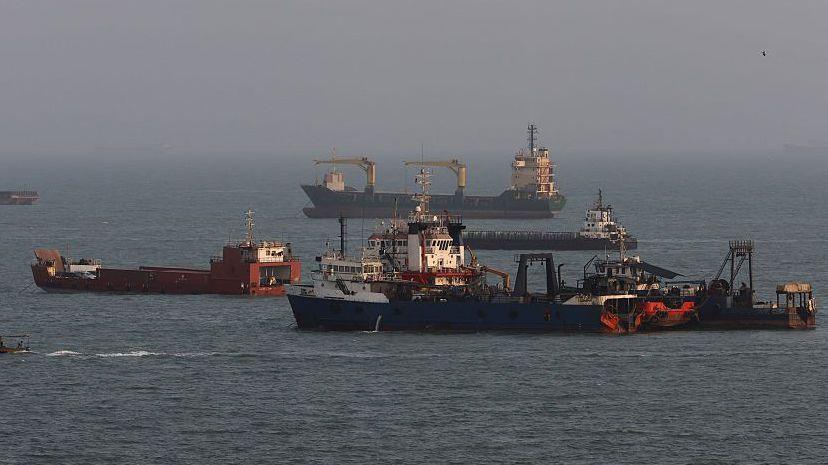
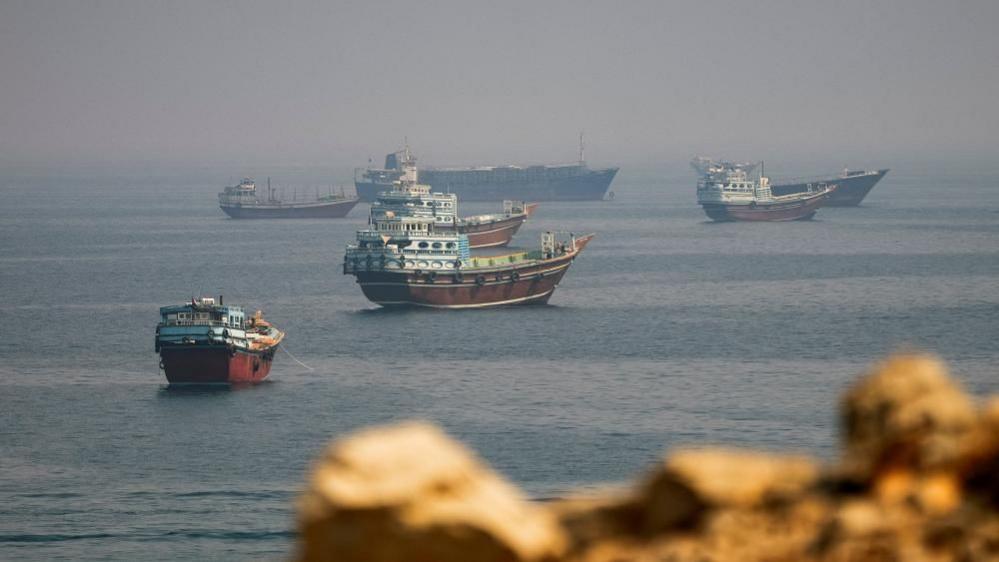
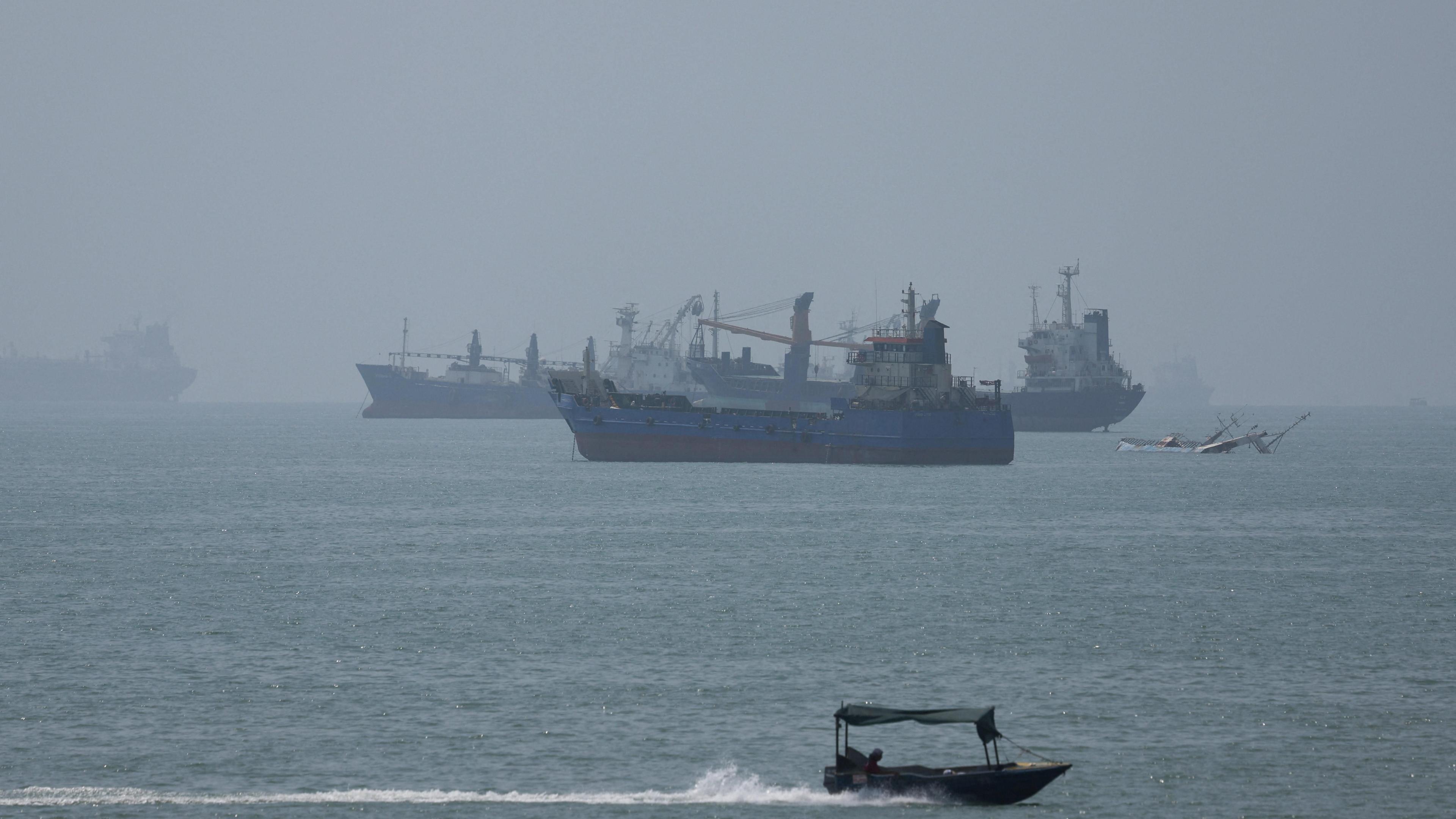
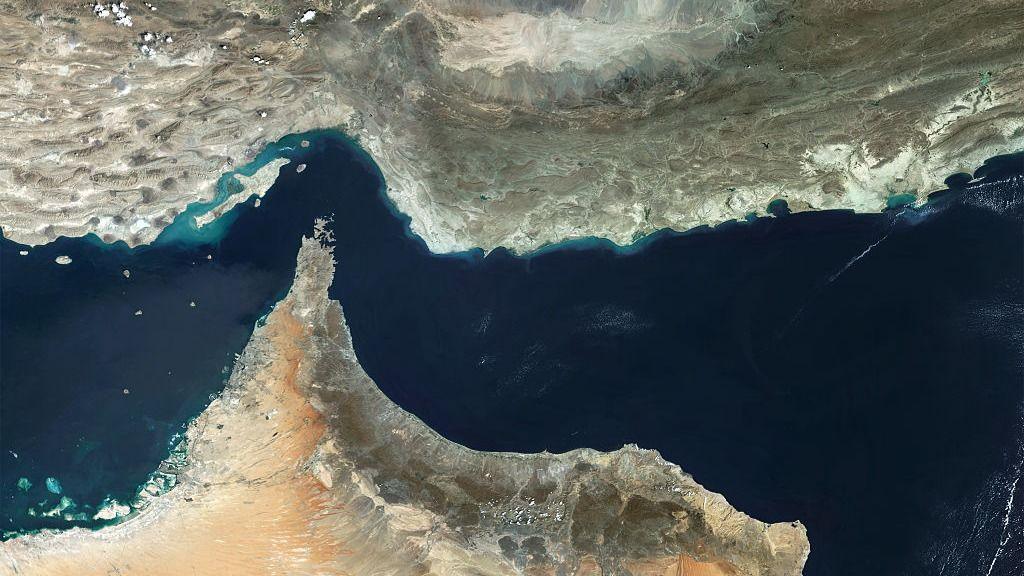
Attacks on vessels in the Red Sea have risen sharply, pushing the Strait of Hormuz out of official shipping limbo. Analysts note that only eight crude carriers passed through the Hormuz on Sunday and eleven on Saturday, a stark contrast to the 100+ daily movements recorded before the latest flare‑ups.
The friction in the side wind of the Persian Gulf has forced many tankers to use the Red Sea route, keeping tidal traffic near the Arabian Peninsula. However, Yemen’s Houthi militia has been launching ambushes against Saudi‑origin oil shipments, imposing a blockade that has cut daily traffic to roughly four crude carriers heading to Asia.
Money markets reacted swiftly after a U.S. president’s announcement that strike plans had been paused following talks, pushing Brent crude down 4.4% to $84 a barrel.
Shipping giants such as Hapag‑Lloyd remain on alert, saying they will monitor the situation closely and will adapt routes if conditions change. The point is that restoring normal flows will be a long-haul process, estimated to take three to four months given the current disruptions.
In summary, the maritime corridor’s safety has deteriorated, and market participants are awaiting any viable opening of the strait or stabilization of the broader conflict before resuming standard shipping practices.