Oil Prices Slam Down Over 9% as US and Iran Pause Hostilities
Brent crude – the global benchmark for oil – slid more than 9 % on Monday, falling below $88 a barrel after the United States announced a second consecutive night of no attacks on Iran.
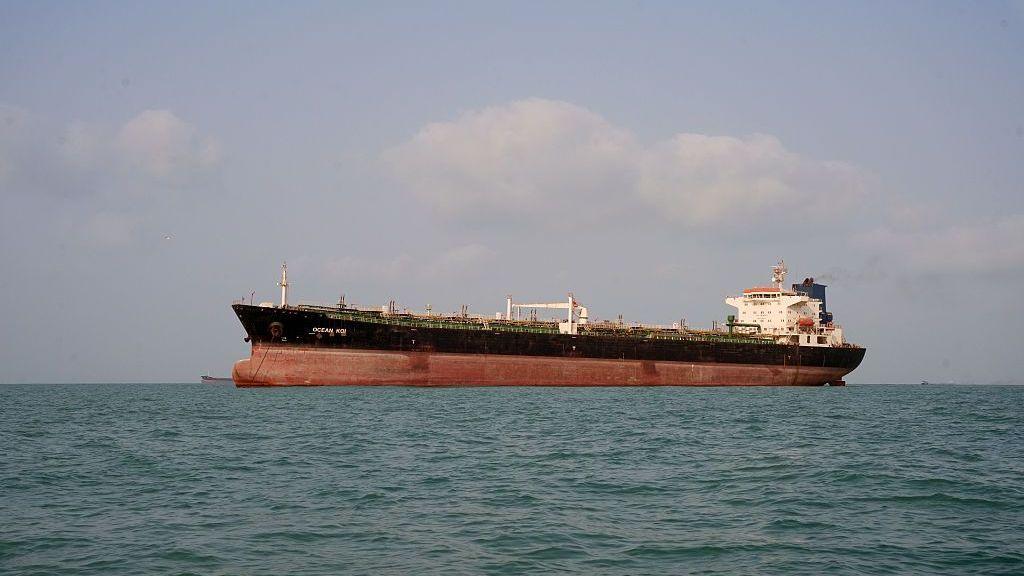
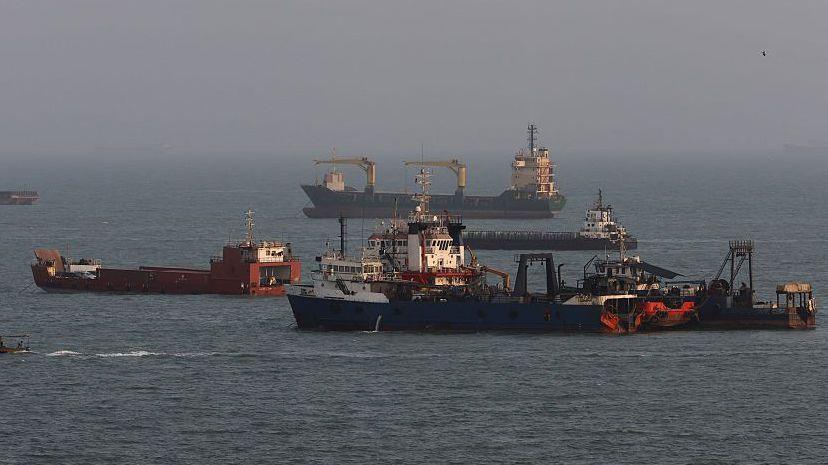
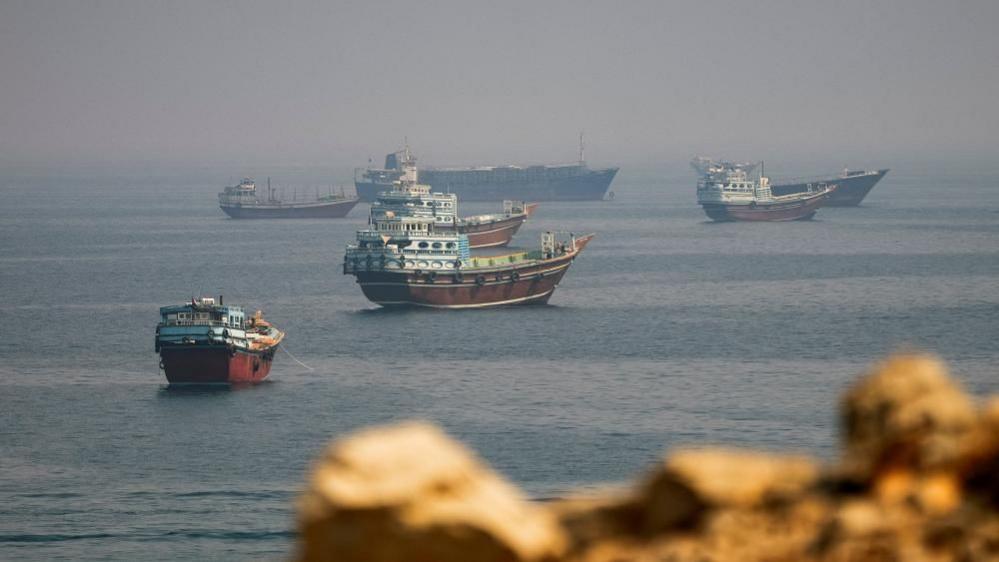
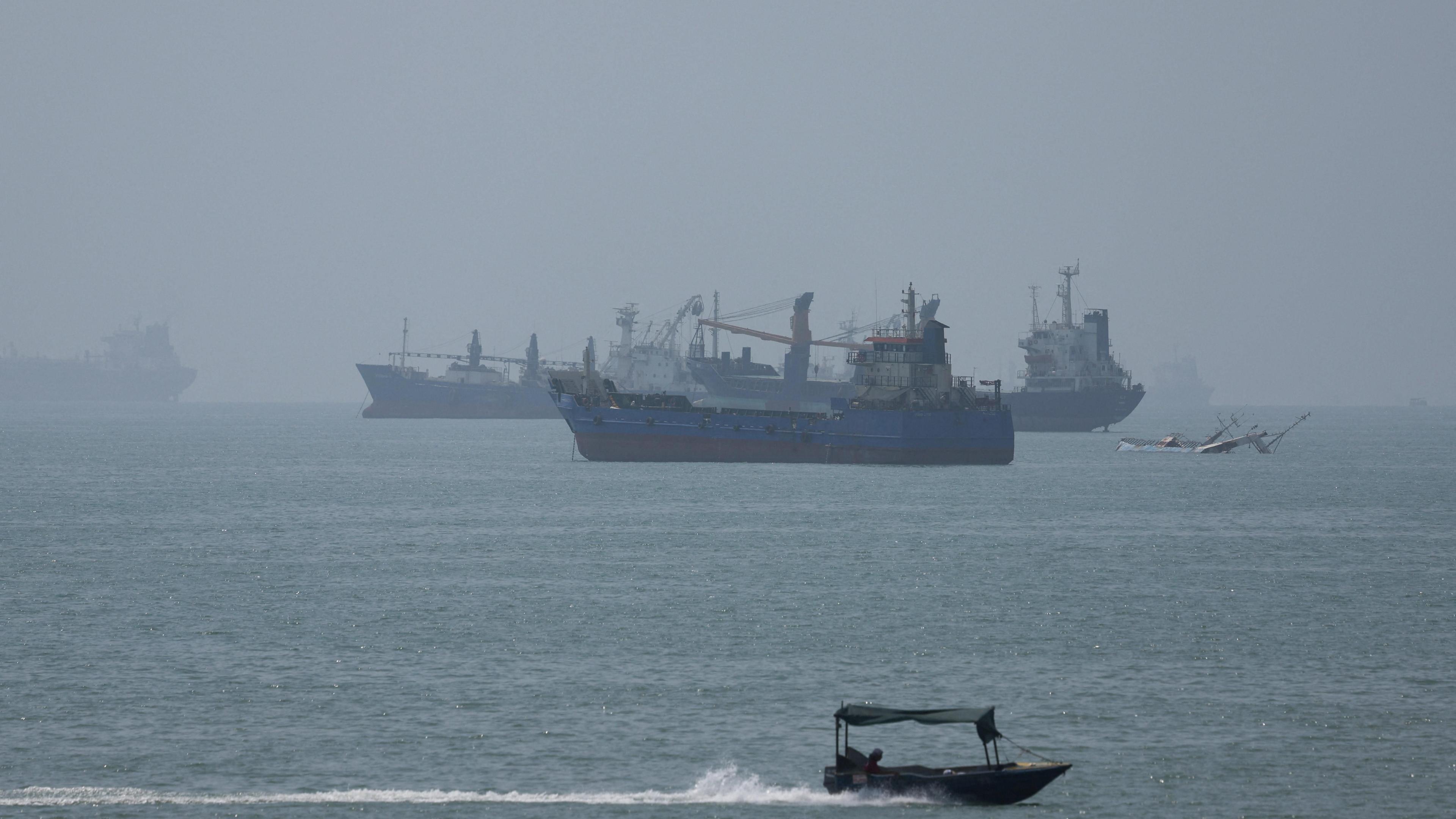
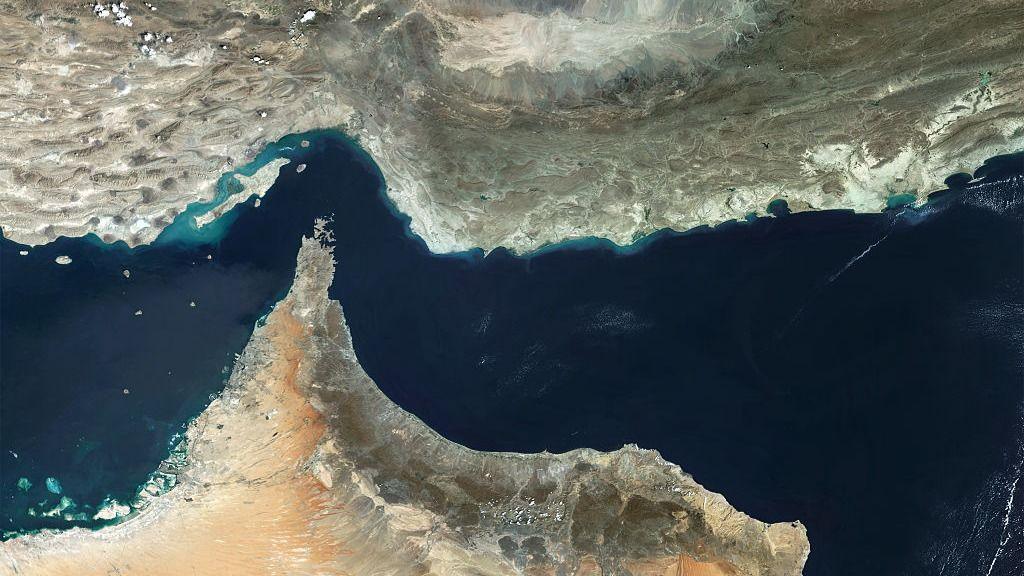
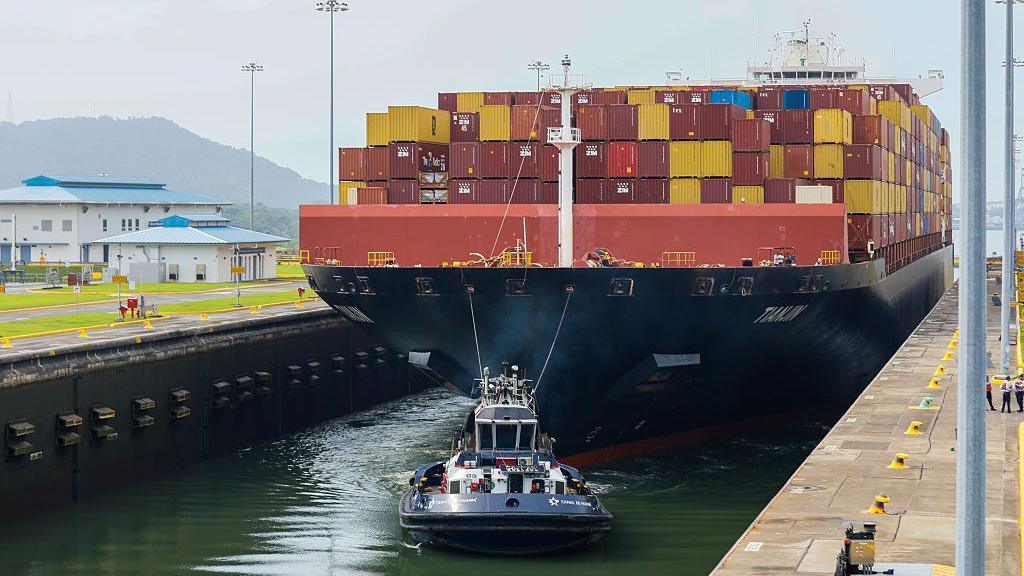
The slip comes a week after the price had risen past $100 a barrel, spurred by the breakdown of a ceasefire that had temporarily closed the Strait of Hormuz, the vital waterway that sees around 20 % of the world’s oil and liquefied natural gas flow through it.
The pause was confirmed by the U.S. ambassador to the United Nations, who said the strike circuit in the region was halted “to give talks some space.” An Iranian army spokesperson echoed the message, stating the country had stopped retaliatory attacks.
The June US‑Iran memorandum of understanding had previously led to a return to pre-war oil levels around $70 a barrel, but the earlier collapse of that ceasefire reignited fears of supply constraints. The latest lull has lifted pressure on the Strait of Hormuz and broken the chain reaction that has pushed fuel costs higher.
"Markets remain wary due to the twists and turns in the current conflict, and uncertainty still lingers about whether negotiations will lead to a lasting breakthrough," said Susannah Streeter, chief investment strategist at Wealth Club.
The unsettling of oil supplies has spilled over into everyday prices, as the cost of petrol and diesel rises and businesses pass on higher fuel costs to consumers, fueling inflation.

The latest market swing highlights how deeply intertwined political developments in the Middle East are with global economics. Market observers watch closely, hoping the ceasefire can be extended to stabilize prices once again.