Trump Claims He Will Bomb Oman if US‑Iran Talks Stall
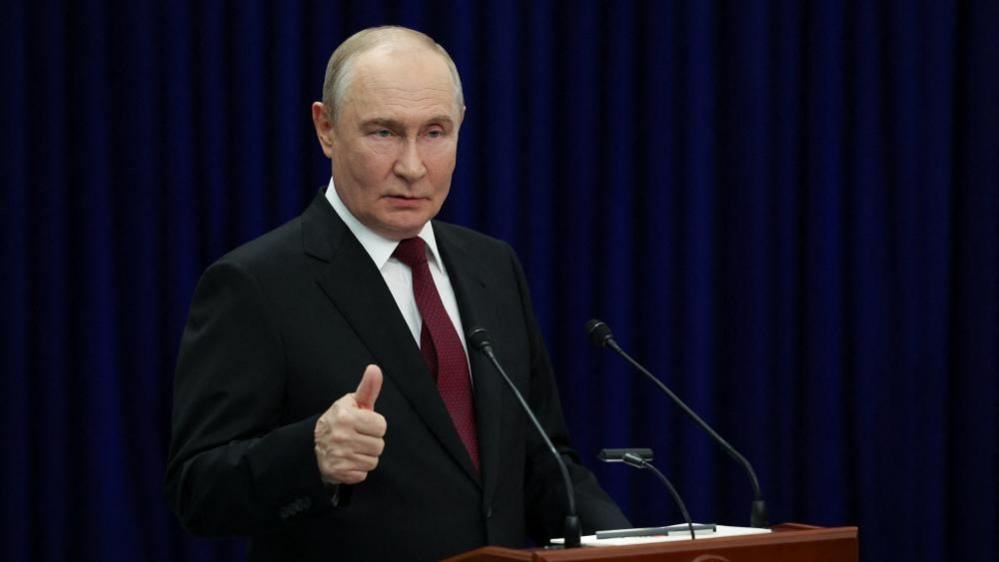
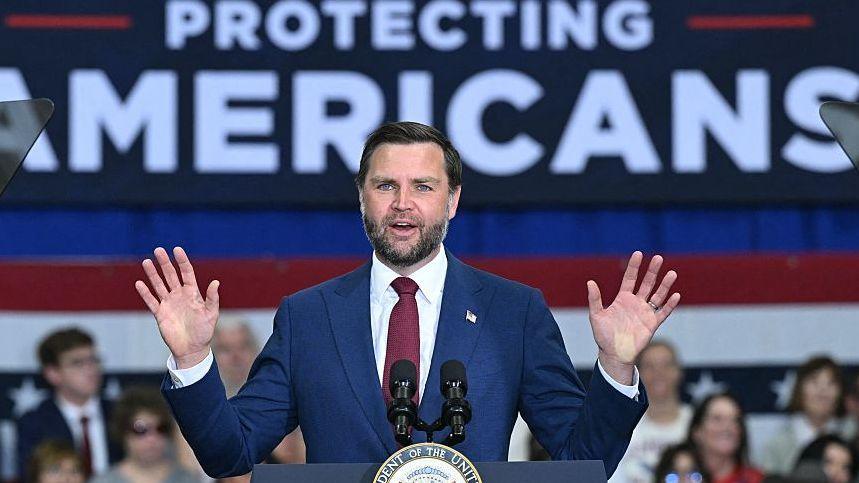
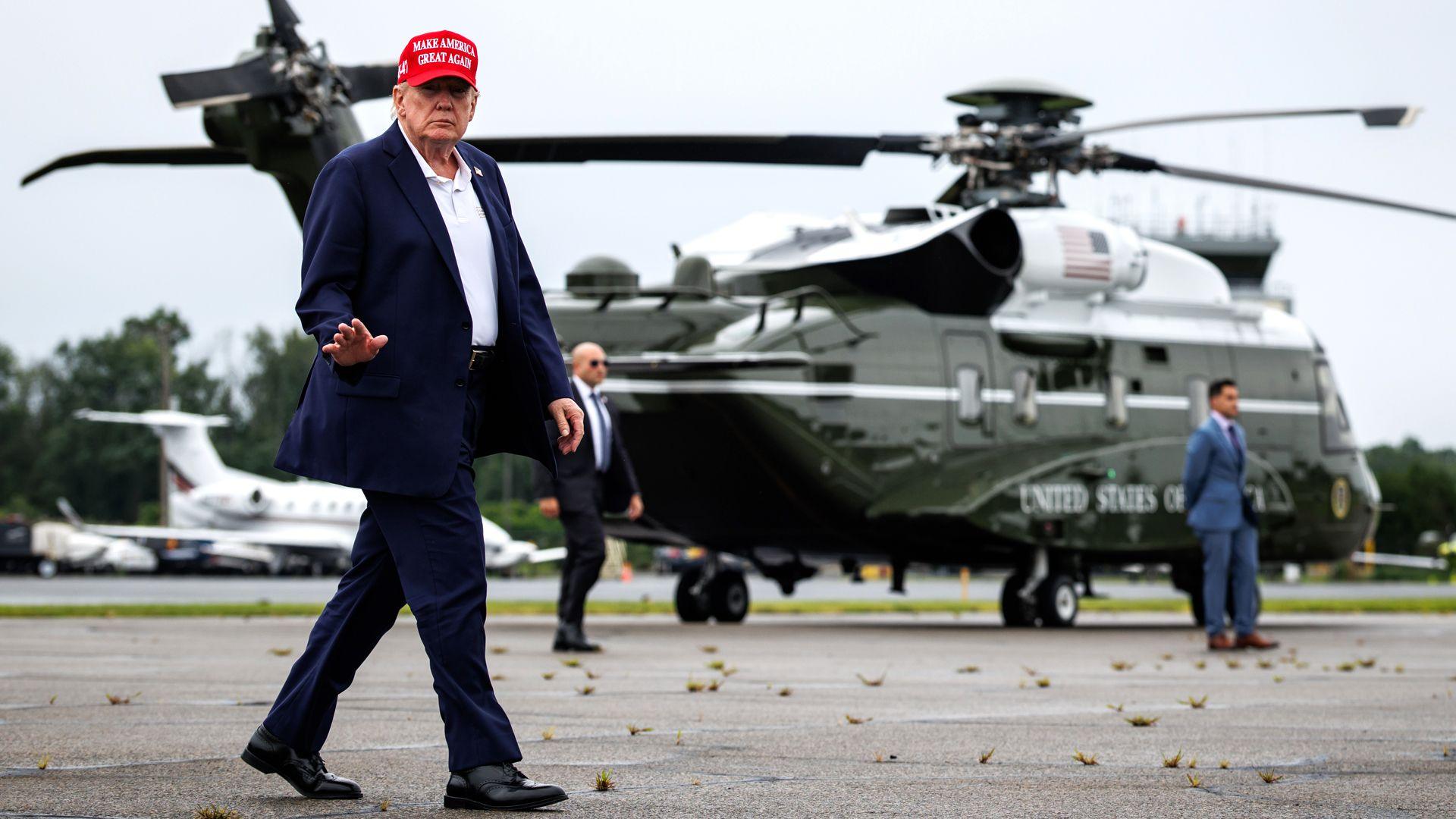
In a heated exchange with reporters on a Fox network, the former president alleged that if Oman were to block a deal between the United States and Iran, the U.S. would launch air strikes against the Gulf nation. The statement was made in an interview conducted over the phone and contained strong profanity, according to the broadcaster.
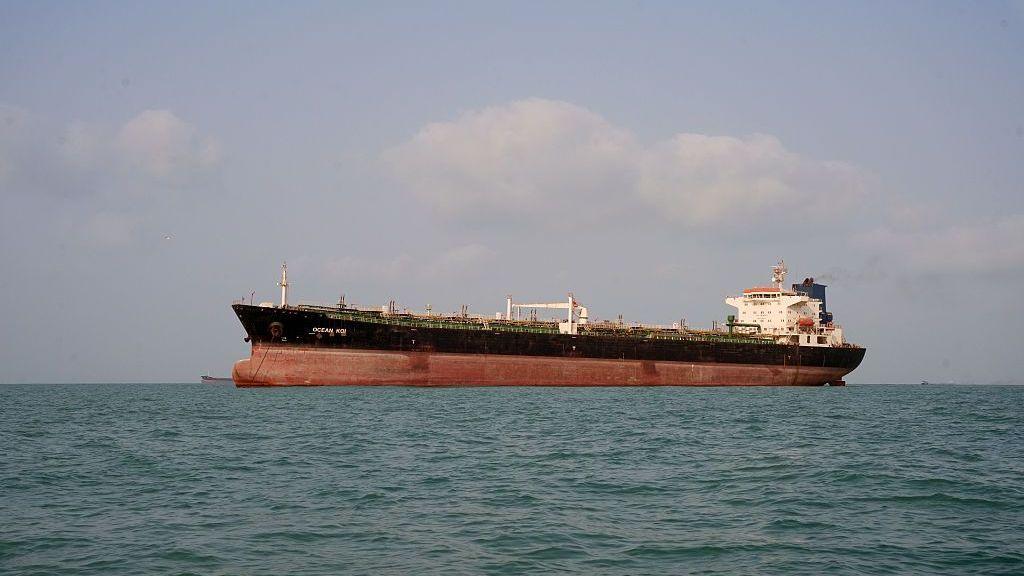
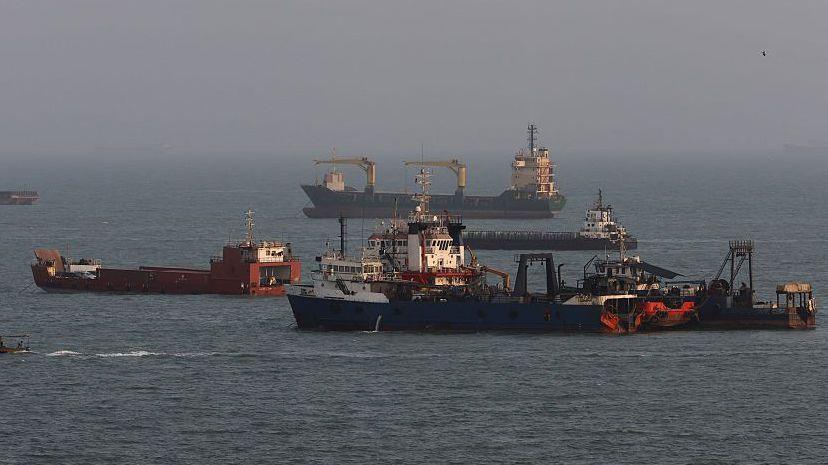
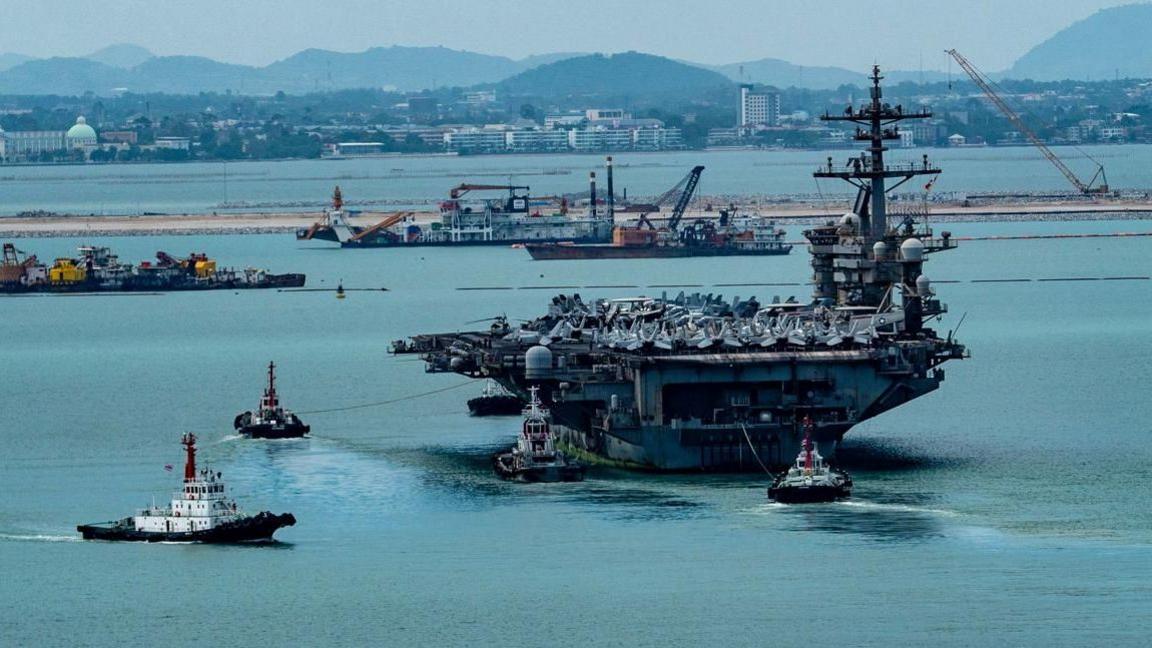
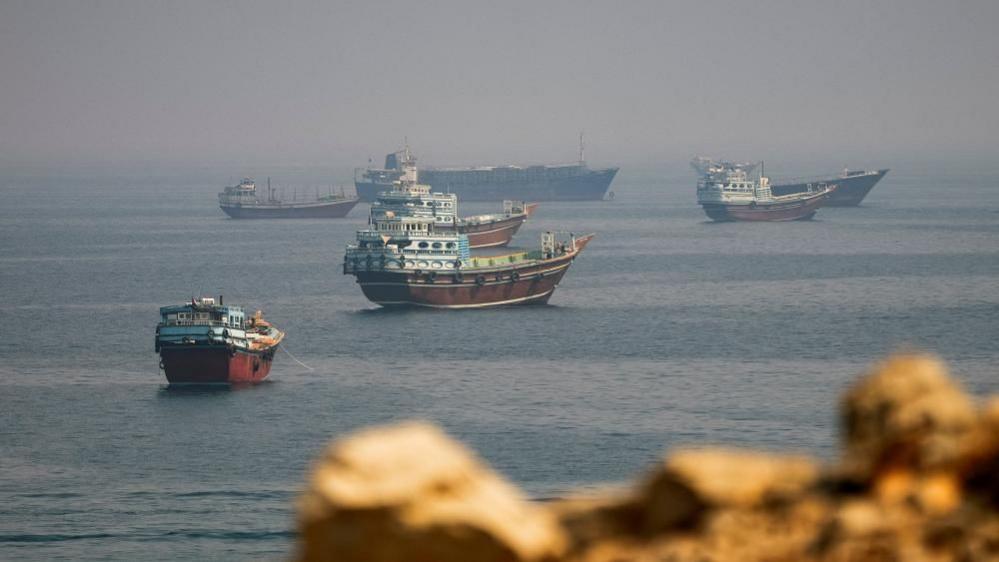
Oman, which sits on the southern end of the Strait of Hormuz – a waterway that carries about 20 % of the world’s oil and liquefied natural gas – has been working quietly with Iran to reopen the channel. The Strait had been closed for six months after the U.S. and Israel intensified military pressure on Tehran in February.
Earlier that day Tehran officials announced a provisional agreement to allow ships again to traverse the strait. On the other hand, the U.S. Memorandum of Understanding signed in June, which had aimed to cease hostilities and restore passage, is set to expire next week. Trump stated during an Oval Office briefing that he would not press for an extension of the memo.
Iran’s foreign ministry spokesman clarified that there are no direct talks between the Islamic Revolutionary Guard Corps and U.S. officials. The spokesperson described Trump’s claim as a false narrative fueled by the administration’s desperation.
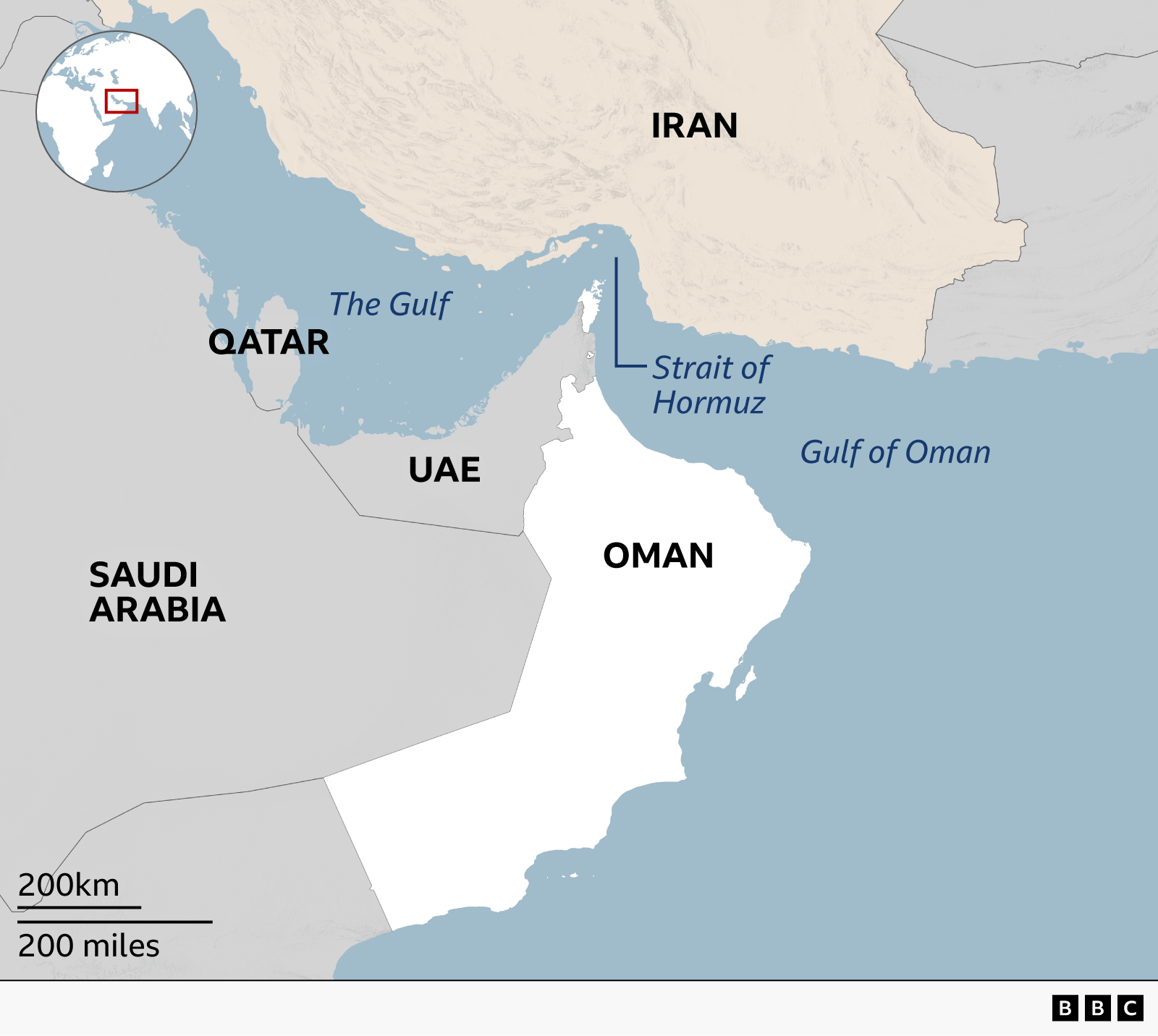
If Oman’s neutrality has been tested, the potential threat of an air strike illustrates the high stakes involved as either side pushes to control the vital maritime route. The conflict underscores the delicate balance of alliances in the Gulf, with Iran opposing U.S. influence while Oman seeks to maintain stability.
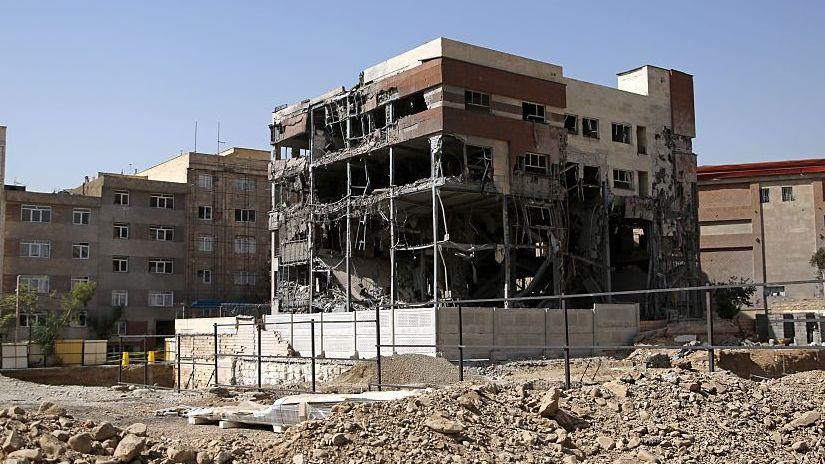
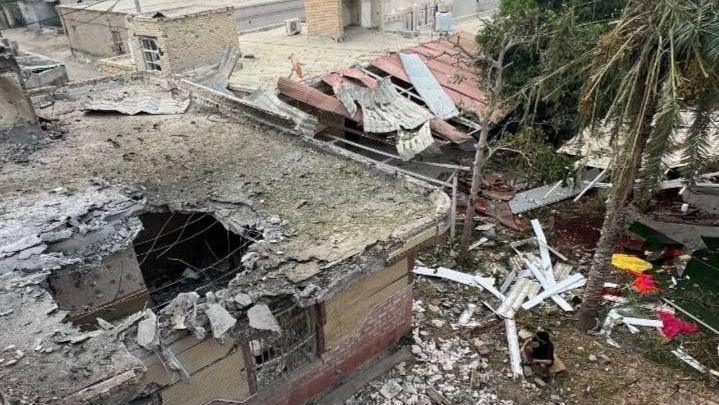
Analysts warn that such a statement could further destabilize an already tense region. The last week saw a slew of missile exchanges between Iran and U.S.-aligned forces in the area, and the added possibility of a military response to Oman could broaden the spotlight on the Gulf’s strategic waterway.
The claim that the United States will bomb a U.S. ally, if orchestrated, could strain international diplomatic channels and elicit global condemnation. It remains unclear how U.S. policy will proceed once the Memorandum expires, and whether any new treaty or military engagement will materialize. The situation continues to evolve as regional actors monitor every move in the days ahead.