Nobel Prize for 'Ghost Particles' From IceCube Neutrino Observatory
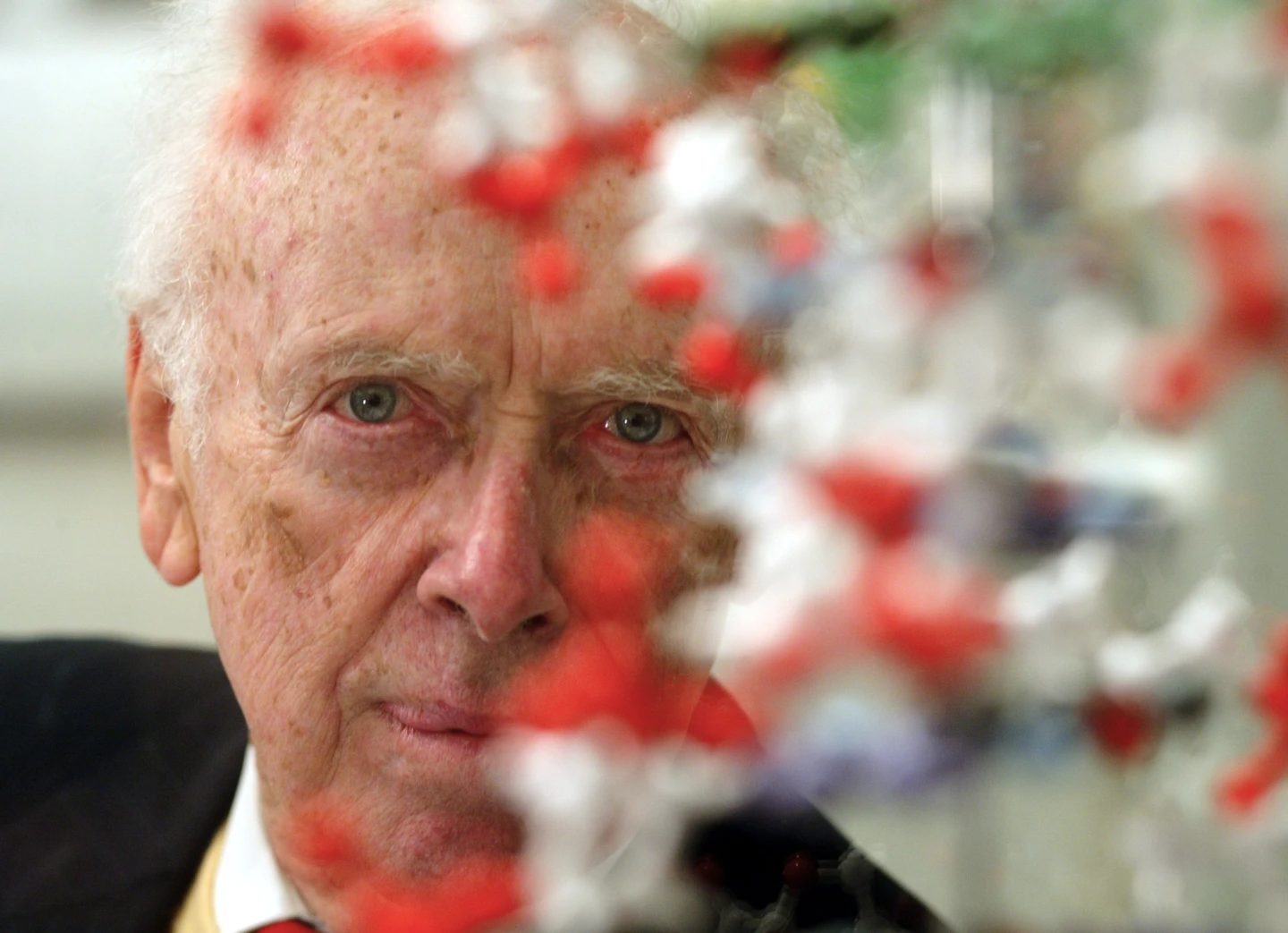
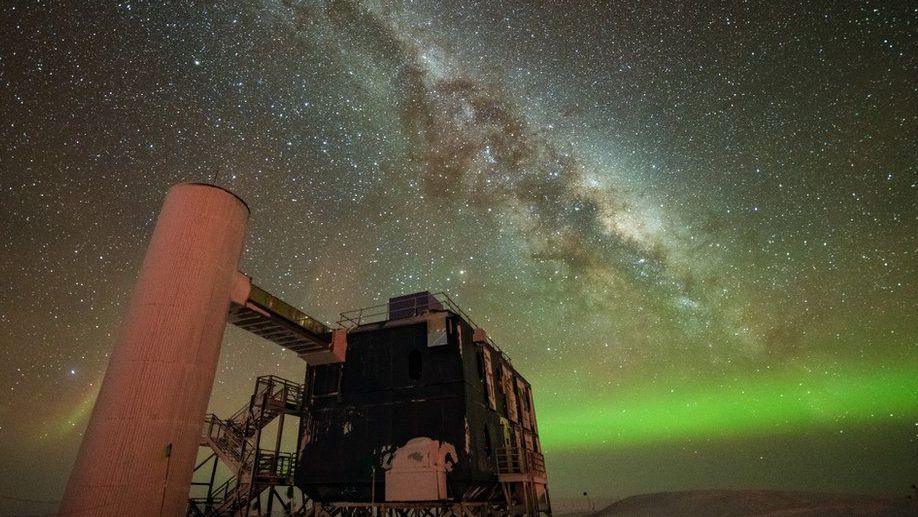
Belgian-born Professor Francis Halzen has been awarded the 2026 Nobel Prize in Physics for pioneering the IceCube neutrino observatory at the South Pole, a detector buried in a cubic kilometre of Antarctic ice.
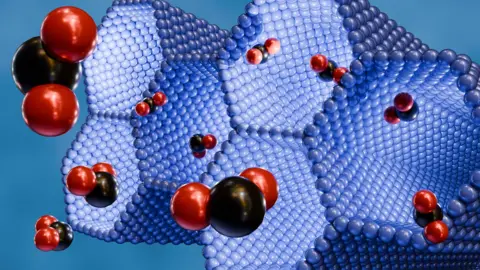
Halzen, now a U.S. citizen and professor at the University of Wisconsin‑Madison, first proposed the idea in 1988. IceCube uses thousands of photomultiplier tubes suspended along vertical cables cut into the ice, detecting the faint blue flashes produced when high‑energy neutrinos collide with atomic nuclei.
Neutrinos can traverse entire planets almost unimpeded, making them perfect messengers from distant, energetic cosmic events such as supernovae or active galactic nuclei. IceCube has already identified several astrophysical neutrino sources, opening a new branch of astronomy that allows scientists to peer into regions opaque to light.
"Francis Halzen has led an international team of researchers and engineers who have provided us with a fantastic instrument," said Prof Mark Pearce, Chair of the Nobel Committee for Physics. "His tenacity and scientific vision has paved the way for a new kind of astronomy."
The Nobel-recognised project illustrates how ambitions at the frontier of particle physics can yield transformative tools for exploring the universe. It also highlights the importance of deep underground or deep underground-like detectors in uncovering phenomena that smooth light cannot reveal.

With the ice at the South Pole acting as a natural detector, each burst of blue light captured by IceCube brings us closer to understanding the most energetic events in the cosmos—an endeavor that Halzen’s vision made possible.