
Nobel Prize spotlights optogenetics: light‑guided cells map emotions
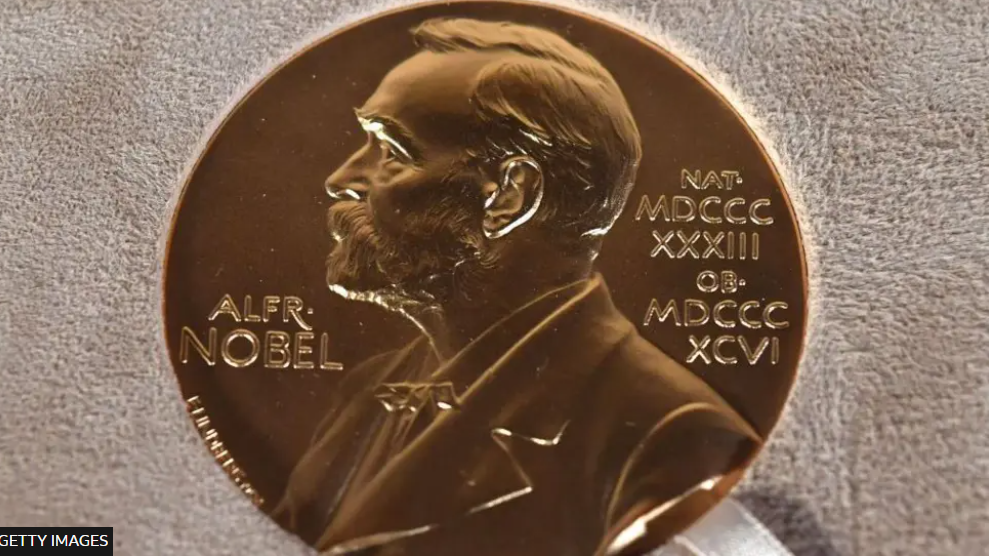
US psychiatrist Karl Deisseroth and his German colleagues Peter Hegemann and Georg Nagel were honoured with this year’s Nobel Prize in Physiology or Medicine for their breakthrough technique called optogenetics. The method employs engineered light‑sensitive proteins to switch neurons on or off with precise illumination, letting scientists observe how the brain encodes memory, mood and behaviour.
Their laboratory experiments revealed the neural circuitry that drives particular feelings and actions, a discovery that the Nobel committee noted could be repurposed to address mental health challenges. Optogenetics has already made an impact on human health: clinicians now use the approach to try to restore vision in people suffering from retinal damage, translating the science from the bench to the clinic.
The award emphasises the shift toward single‑cell resolution in neuroscience. Researchers worldwide are now applying optogenetics to map brain networks in health and disease, offering a roadmap for targeted treatments that were unimaginable a generation ago.
With this prize, the trio not only gains recognition but also validates the potential of light‑controlled therapies to reshape how we treat neurological disorders, opening futures where precise neural manipulation becomes routine in medicine.