Nobel Prize Honors Breakthrough in Brain Mapping Science
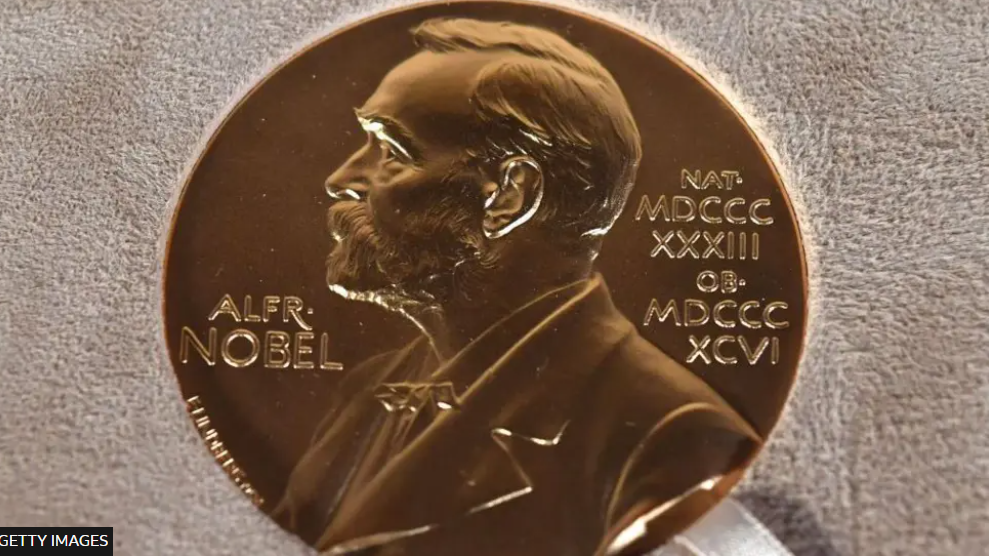
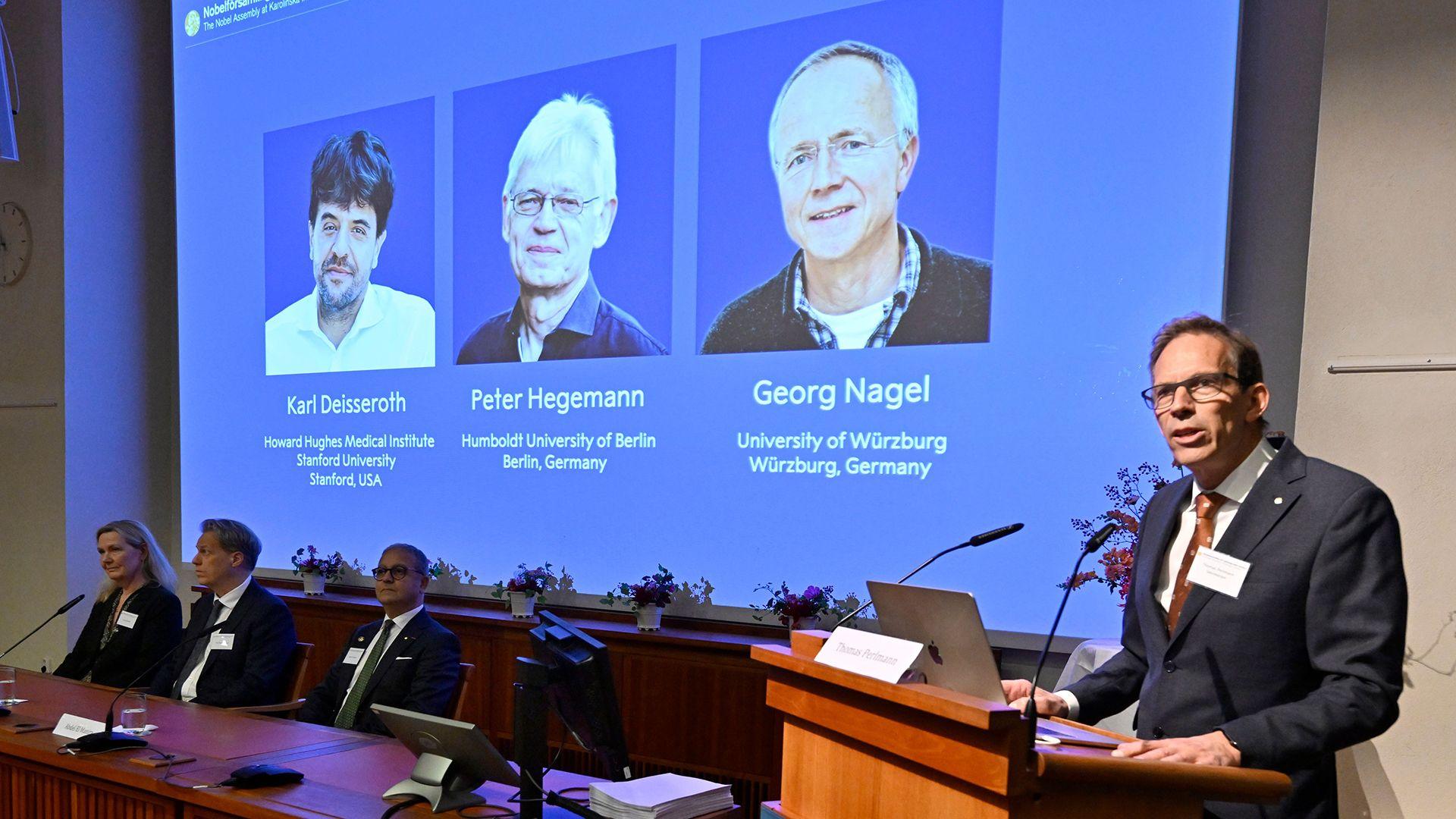
London, 5 October 2026 – The Nobel Committee announced that Karl Deisseroth, along with German peers Peter Hegemann and Georg Nagel, received the 2026 Nobel Prize in Physiology or Medicine for developing optogenetics, a technique that uses light to control neural activity.

What is optogenetics?
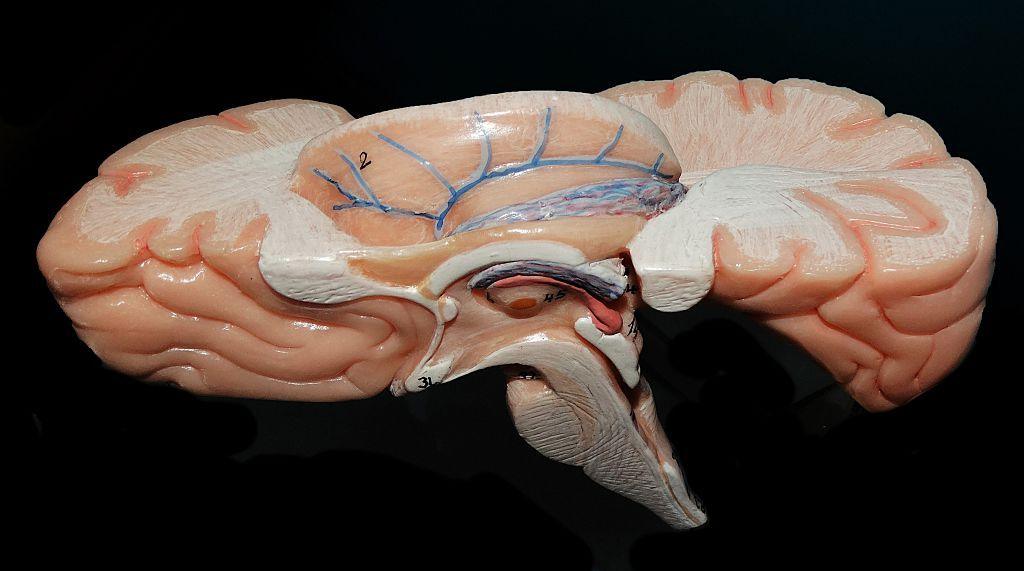
Optogenetics marries a light‑sensitive protein, channelrhodopsin, discovered by Hegemann and Nagel in the early 2000s, with genetic engineering to light‑activate or silence specific neurons. Deisseroth refined the technique to turn on neuronal firing in mice by shining light on the engineered protein, allowing precise mapping of brain circuits.
The Nobel Assembly described optogenetics as "an entirely new way of probing the structure and function of neural networks" and celebrated its ability to "bring memories to life, create feelings and drive behaviours".
Clinical promise: Restoring sight
Beyond basic neuroscience, researchers are already piloting optogenetic therapy in patients with retinitis pigmentosa. By inserting channelrhodopsin into damaged retina cells and using light‑emitting glasses, early trials have helped patients regain partial vision, marking a milestone toward sight restoration.
Together in honour
The trio shared the prize money of £900,000 (about 12 million Swedish kronor) and expressed their friendship and excitement, saying the award was "absolutely wonderful".
For more on optogenetics and its future applications, visit the Nobel Prize website and follow our ongoing coverage of scientific breakthroughs.