As dawn broke on October 7, 2023, attendees at the Nova music festival near the Gaza border were enjoying the illicit effects of recreational substances like MDMA and LSD. These festival-goers found themselves in a horrific situation as Hamas militants stormed the festival, leading to the deaths of 360 people and numerous kidnappings. A recent study conducted by neuroscientists at Haifa University indicates that MDMA, commonly known as ecstasy or molly, may have offered some psychological safeguard against the resulting trauma.
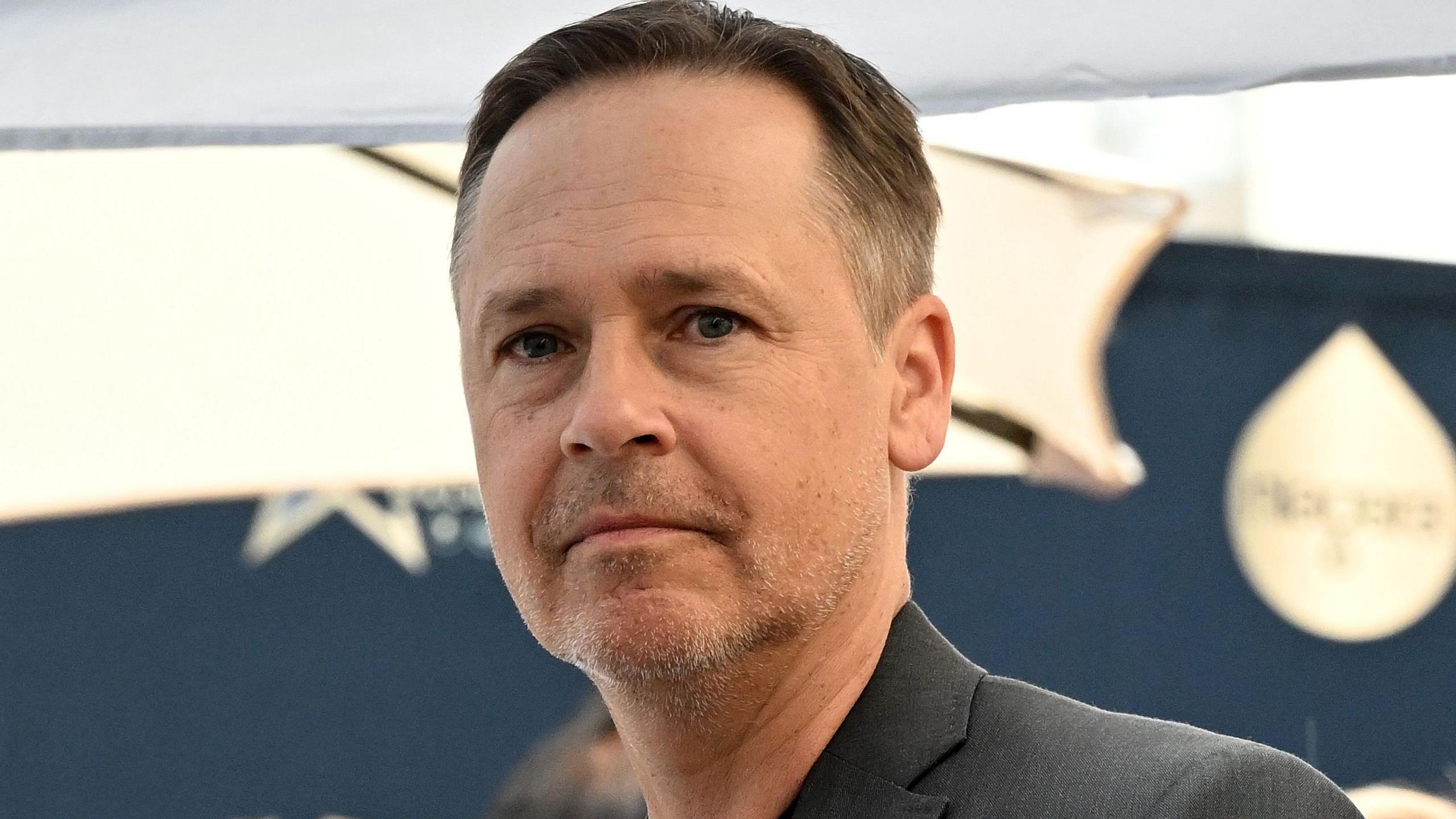
The preliminary findings, currently under peer review, suggest that those who consumed MDMA reported improved emotional states both during the attack and in the subsequent months. This research marks a rare opportunity to analyze a large-scale trauma event involving significant numbers of individuals under the influence of mind-altering drugs, with Prof. Roy Salomon leading the investigation.
During the onslaught, many survivors found refuge beneath the bodies of deceased friends, and the unique circumstances have raised questions about the implications of drug use in crises. "MDMA, especially when pure, appeared to be the most protective substance among those studied," noted Prof. Salomon. The survivors who had taken MDMA fared significantly better in terms of mental health during the critical months of processing their trauma, exhibiting less distress and better sleep patterns than their sober counterparts.
Experts speculate that pro-social hormones triggered by MDMA, such as oxytocin which fosters human connection, may have facilitated a sense of community and solidarity among attendees as they sought escape from the danger. Furthermore, those under the influence exhibited increased receptivity to support from family and friends upon returning home, according to the study's findings.
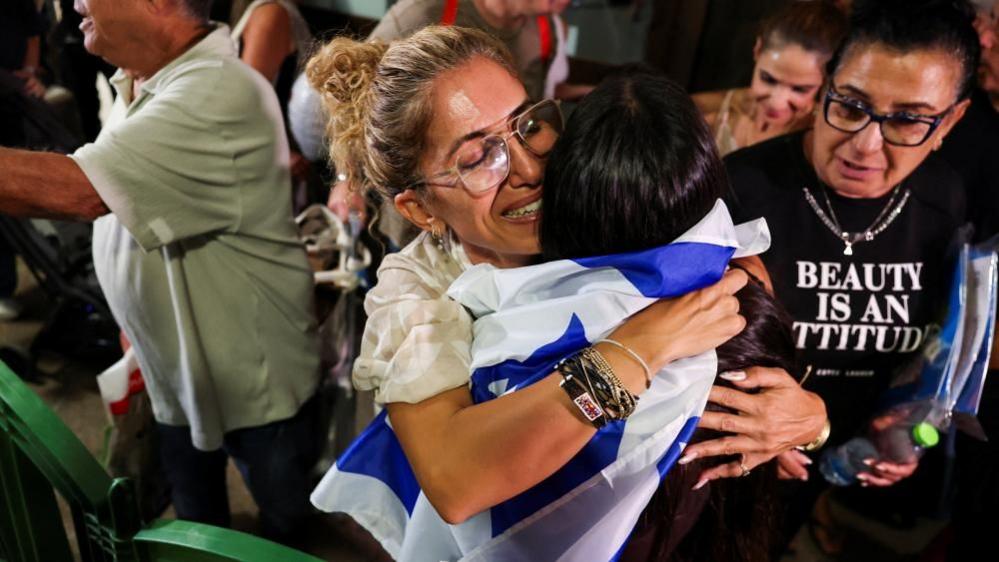
However, researchers acknowledge the limitations in drawing definitive conclusions since the research only includes survivors, and the connection between drug use and survival can’t be quantified with absolute certainty. Nevertheless, many such as festival-goer Michal Ohana credit MDMA with saving their lives during the harrowing experience of the attack. "I was so high, and I felt like I wasn’t in the real world," she stated, reflecting on her perceived ability to escape a potentially fatal fate.
While MDMA is currently classified as a Class A drug in the UK and faces scrutiny in other nations for safety concerns, its application in therapeutic contexts for Post-Traumatic Stress Disorder (PTSD) is gaining traction. Israeli clinicians experimenting with MDMA as a treatment for military veterans dealing with PTSD reflect on the research's promising implications. Dr. Anna Harwood-Gross, a clinical psychologist, expressed optimism about initial findings that indicate MDMA can help with trauma processing even amidst ongoing crisis situations.
The emotional fallout of the October attacks extends beyond immediate survivors. Israel's social fabric is grappling with collective trauma, sparking conversations about the need for extensive psychological care across communities. Trauma specialists note that an influx of individuals seeking therapy comes with a blend of diverse traumatic experiences, from historical to contemporary issues, amid the ongoing conflict that affects both Israeli and Palestinian populations.
As survivors like Ohana continue to navigate their daily lives fraught with reminders of past violence, the quest for healing remains a complex and urgent challenge for both individuals and society at large, in a landscape where peace seems increasingly elusive.