Kasparov Receives US Security Warning Amid Kremlin ‘Assassin Network’ Indictment

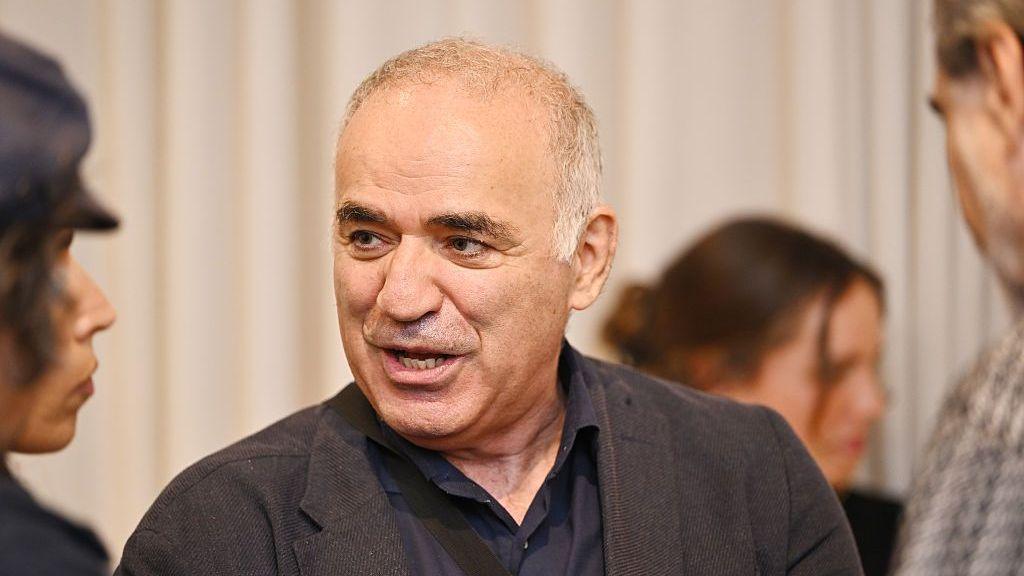
Exiled former chess world champion Garry Kasparov says U.S. and Lithuanian security agencies have warned him that his life is in danger.
Kasparov, 57, told his followers on the Substack platform that he was one of two dissidents advised to take precautionary measures. He spoke after the U.S. Justice Department unsealed a criminal indictment earlier this month that charges five individuals for allegedly working for the Kremlin and orchestrating attacks and murders against Russian defectors and dissidents worldwide.
The allegations are part of what the DOJ calls the “RIS Network,” a global assassination ring that the prosecutor’s office says reaches into the United States and seeks to recruit Americans to carry out Kremlin‑backed killings. The five accused operatives are Yuri Khrameev, Kirill Khrameev, Oemis Romagoza Durruthy, Yaidel Delgado Suarez and Angel Eduardo Castro, all of whom remain at large.
Kasparov wrote that he had not been told explicitly that he or Free Russia Forum co‑founder Ivan Tyutrin were targets, but that both had received warnings about their safety. He added in a separate note: “I will not stop and I will not hide, even if I thought it was possible to do so. My family and I will not truly be safe as long as [Russian President Vladimir] Putin is in power in Russia – a circumstance shared by millions.”
The other person mentioned in the sources, Ilya Ponomarev, was the only Russian MP to vote against the illegal annexation of Crimea in 2014. Ponomarev went into exile in Ukraine and has publicly rejected the alleged plot, calling it “a new level of escalation” by the Kremlin.
The Russian government has branded Kasparov a foreign agent, added him to a list of terrorist and extremist figures in 2024, and promptly rejected the U.S. indictment. Former world champion Kasparov pushed back, claiming the charges are politically motivated and part of a broader campaign to silence opposition voices.
The case casts a stark light on the growing reach of Kremlin‑backed covert operations and underscores the dire risks faced by dissidents abroad. It also raises questions about the extent to which U.S. and allied agencies can effectively neutralise such threats while preserving diplomatic relations with Russia.