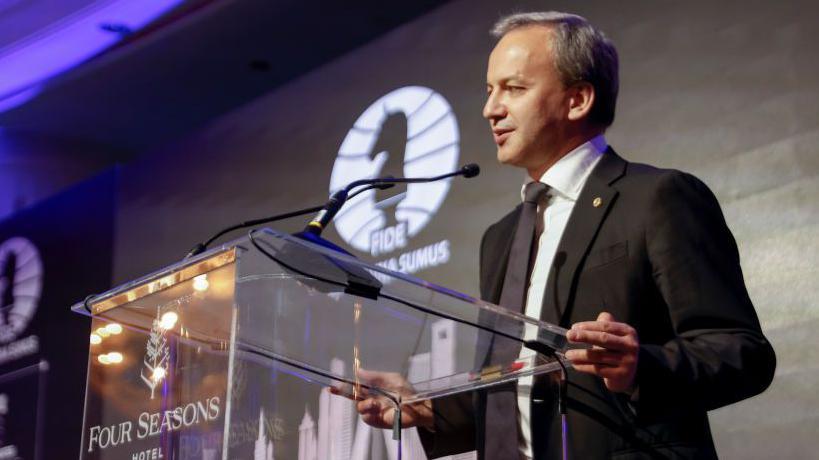
Chess Federation Stirs: FIDE President Faces EU Sanctions Amid Ukraine Conflict
The world of chess has entered a tense period after the European Union added Arkady Dvorkovich, the president of the International Chess Federation (FIDE), to its sanctions list. The move follows allegations that he publicly endorsed the annexation of Crimea and labelled cities occupied by Russian forces as "new territories".
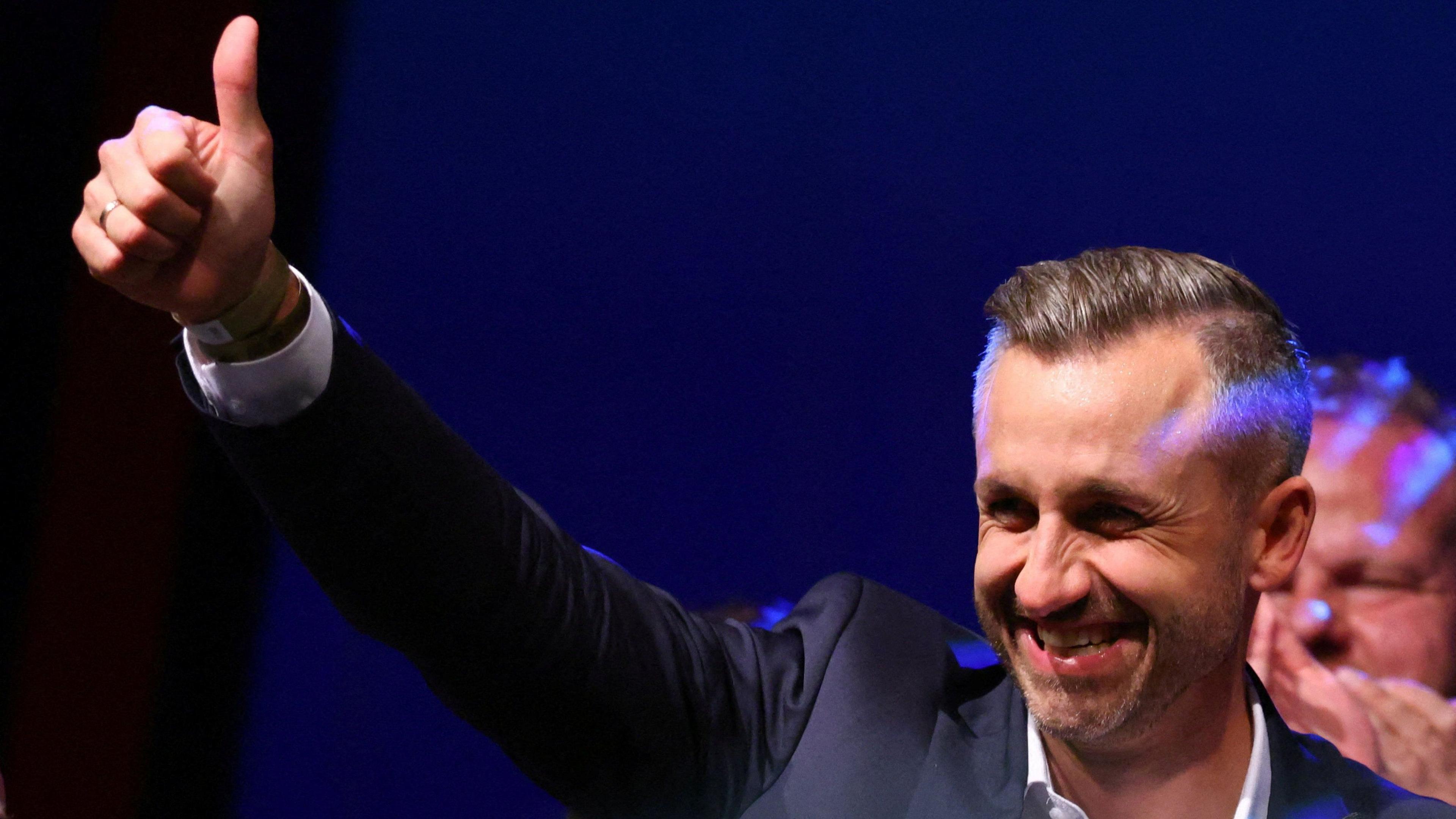
Eighteen‑year‑old Dvorkovich, who previously served as a deputy prime minister in Moscow and adviser to the Kremlin, now faces an EU travel ban and an asset freeze. He has declared that he voluntarily pauses his presidential responsibilities, stating that the sanctions should prevent him from continuing to lead FIDE. Dvorkovich, however, clarified he had not resigned.
Ukraine praised the European decision as a moral victory. "This comes as a powerful blow against the influence of an aggressor state," said Volodymyr Kovalchuk, a senior official in the Ukrainian Chess Federation. Kovalchuk added that Russian tactics to tighten control over FIDE were perceived to be a form of soft power, a sentiment echoed by Malcolm Pein, England’s representative to FIDE.
FIDE’s board, headquartered in Switzerland, has never been the same since Russia invaded Ukraine in 2022. Russian teams had been barred from international competition, but as Dvorkovich led the organisation, analysts say Moscow’s voice grew louder, with reports of a draconian internal takeover and pressure on other federations to back Russia’s positions. In September 2024, the FIDE general assembly upheld the sanctions against Russian teams and Belarusian participants.
Dvorkovich’s potential decision to refuse re‑election this fall faces serious doubts. As the global chess community watches, the possibility of his departure signals a fresh chapter for FIDE, a federation that has long operated under the shadow of Soviet and Russian dominance.
Beyond politics, chess remains a thriving sport worldwide, drawing large audiences and lucrative sponsorships. The leadership turmoil could transform how the sport is governed, offering a chance for greater representation. The global chess scene will continue to adapt to this new reality, whether that is a shift toward a more diverse leadership or a reinforced security framework for all participating nations.