Zelensky Hopes to Secure Patriot Interceptor Licence During Washington Visit
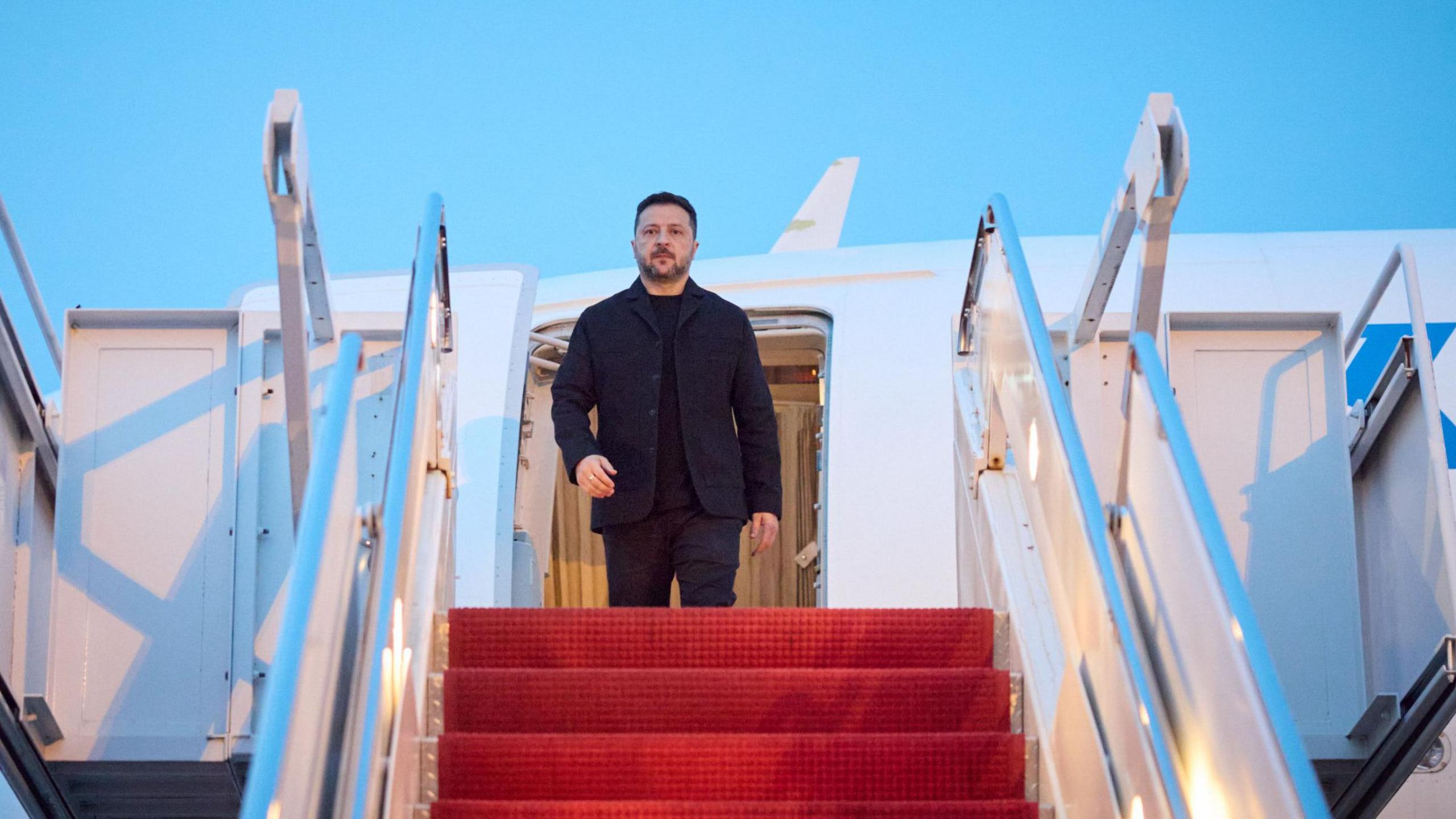
On his first trip to the United States in months, Ukrainian President Volodymyr Zelensky is set to meet President Donald Trump at the White House to push for a formal licence that would allow Kyiv to produce the highly‑sophisticated Patriot PAC‑2 and PAC‑3 interceptor missiles on Ukrainian soil.
The conversation follows a recent surge of ballistic and drone attacks on Russia’s capital, where security officials report that more than 390 Ukrainian‐launched drones struck the Moscow region between 20:30 and 06:30 local time. According to Mayor Sergei Sobyanin, most were intercepted by air defences, but the images released by BBC Verify confirm damage to a high‑rise building in Chekhov and a fire at a Wildberries warehouse in Berezhki.
Zelensky has consistently listed Patriot missiles among Ukraine’s top defence requests. While the United States has approved a licence earlier this month, co‑producing the missiles in Ukraine would require a significant legal, political and technical framework that the country has yet to meet fully. Earlier this week, representatives from Raytheon visited Kyiv to express “readiness to take our partnership to an even higher level.”
The Washington agenda also includes a meeting with Israeli Prime Minister Benjamin Netanyahu, who is attending the funeral of Senator Lindsey Graham, a former Czech diplomat aged 71, to pay tribute to the late senator’s defense legacy. The two leaders will meet in a private session that marks the first time the two have spoken face‑to‑face since Iran’s war over the region intensified in February.
Zelensky and Netanyahu’s congruous appearances are part of a broader Western diplomatic effort to counter the overlapping threats of the ongoing war in Ukraine and the United States‑Iran standoff. Zelensky has urged U.S. officials to investigate whether Romania’s alleged springtime coordination with Iranian forces has allowed the latter to target U.S. military installations in the Gulf.
In Moscow, President Vladimir Putin condemned what he described as “terrorist methods” against civilians carried out by Ukraine’s enemies. He emphasized that the Russian populace would never accept the notion of a forced cease‑fire that could compromise national security, while Reuters reports indicate that the Kremlin’s stance remains unaltered even as Russian non‑military entities face increasing pressure from foreign sanction regimes.
The entire council of meetings underscores the geopolitical positioning of Ukraine’s leaders on the world stage. While the U.S. maintains a strategic partnership with Kyiv, there remains significant debate over how quickly and efficiently the United States can deliver new defence systems to counter the relentless missile and drone threat. The outcomes of this Washington tour are likely to determine the pace and scale of Ukraine’s air‑defence augmentation for the next months.