
In brief
In light of increasing tensions, Israeli forces are set to control a significant area in southern Lebanon, establishing a security zone along the Litani River. This move is part of a broader strategy to mitigate threats from Hezbollah, including recent rocket attacks on northern Israel. Israeli officials assert that displaced Lebanese residents will not be allowed to return until northern Israel is deemed safe. Katz emphasized the intention to dismantle Hezbollah's infrastructure in the region, raising concerns over potential humanitarian crises and criticism from Lebanon's leaders.
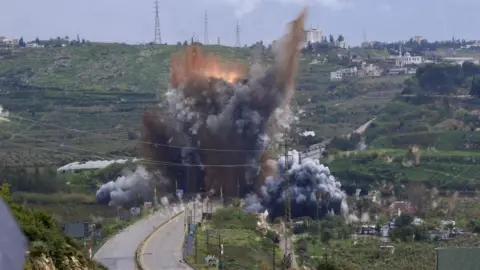
Israeli troops will control a large swathe of southern Lebanon as part of their campaign against Hezbollah, Defence Minister Israel Katz says.
Katz stated that troops would establish a security zone up to the Litani River, approximately 30 km (19 miles) from the Lebanon-Israel border, with displaced residents barred from returning until safety is ensured in northern Israel.
Five bridges—alleged routes for Hezbollah to move terrorists and weaponry—have been destroyed as part of this operation.
The current escalation follows Iranian-backed Hezbollah's rocket fire into northern Israel in retaliation for the killing of Iran's supreme leader and near-daily Israeli strikes on Lebanon, which have continued despite a November 2024 ceasefire.
Since the beginning of the conflict, over 1,000 people have reportedly died in Lebanon, with a significant number of children and health workers among the casualties. Additionally, more than one million people have been displaced, raising concerns about a looming humanitarian disaster.
Israeli officials say the objective is to protect communities in northern Israel from Hezbollah attacks, as southern Lebanon is seen as the heartland of the Shia Muslim community and Hezbollah's main support base.
Despite the Lebanese government expressing a commitment to disarm Hezbollah, the group has so far resisted discussions regarding its weapons.
In a briefing, Katz revealed that the Israel Defense Forces (IDF) were moving into Lebanese territory to create defensive space and remove Hezbollah's military presence, targeting what Katz described as terrorist infrastructures and homes serving as outposts.
Lebanon's President Joseph Aoun condemned the Israeli strategy as collective punishment against civilians, highlighting the delicate balance of power and escalating tensions in the region.
