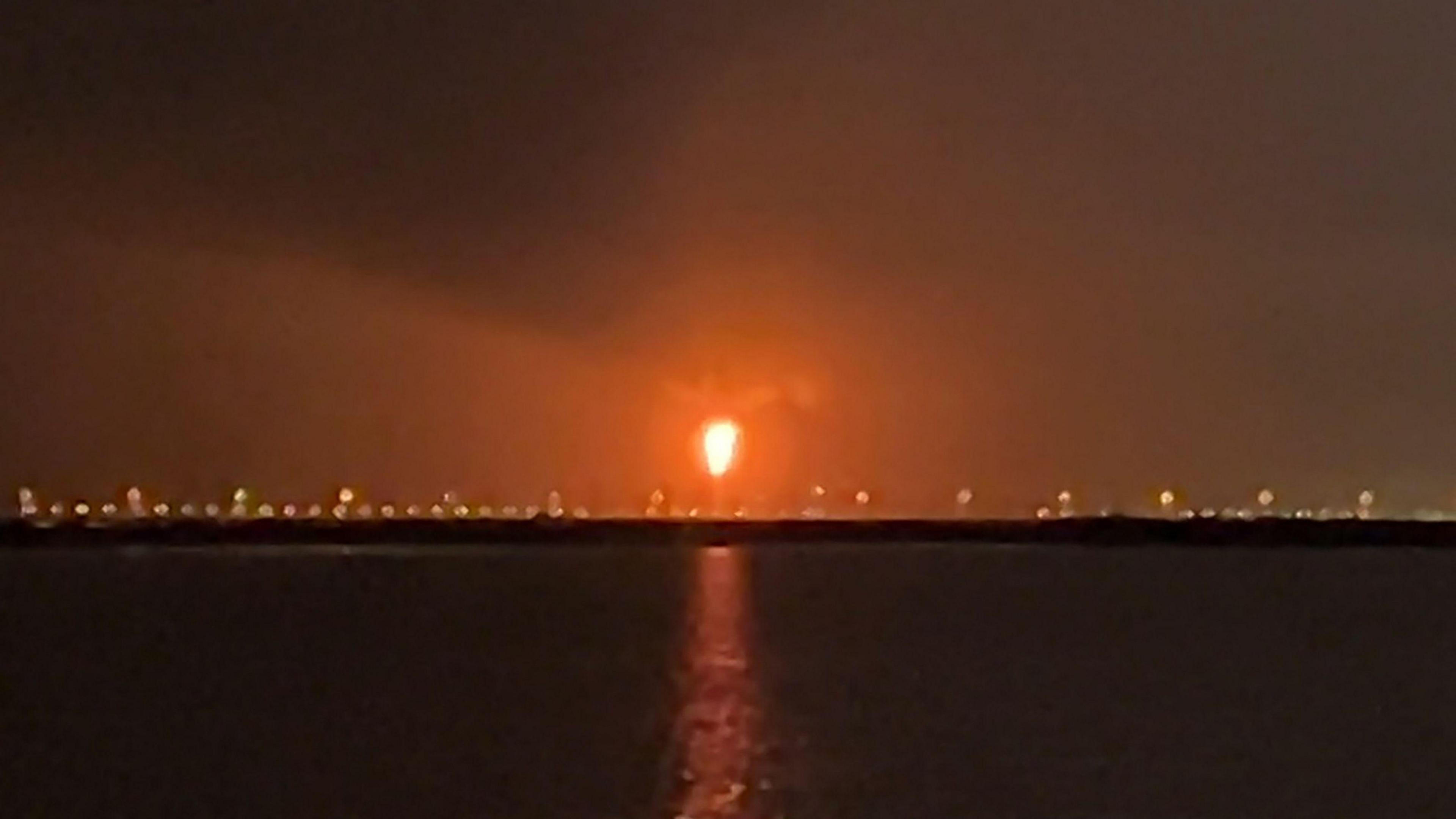
Israel's Prime Minister Benjamin Netanyahu has said Israel 'acted alone' in attacking an Iranian gas field, as tensions mount over strikes on energy infrastructure across the region. Israel hit Iran's South Pars - part of the world's largest natural gas field - and Tehran retaliated by striking an energy complex in Qatar and attacking other energy targets in the Gulf.
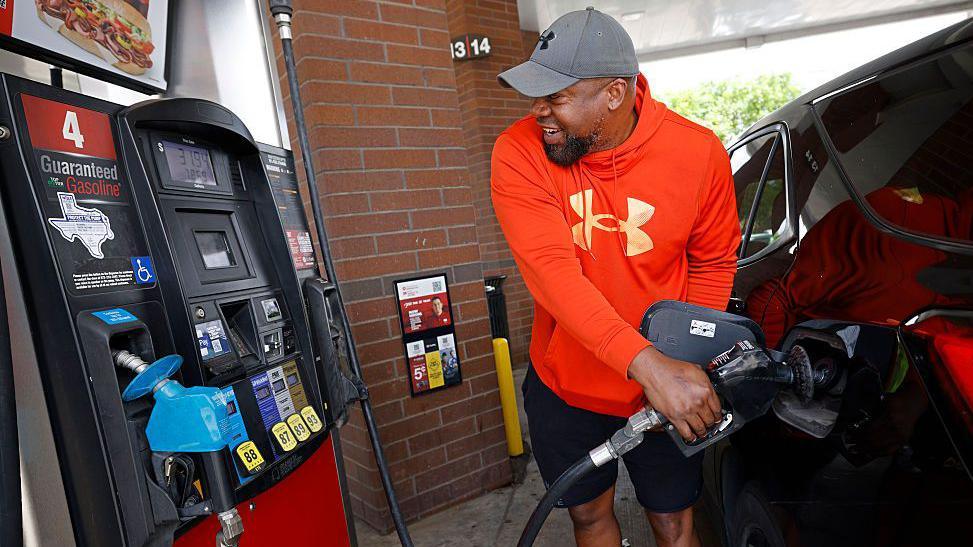
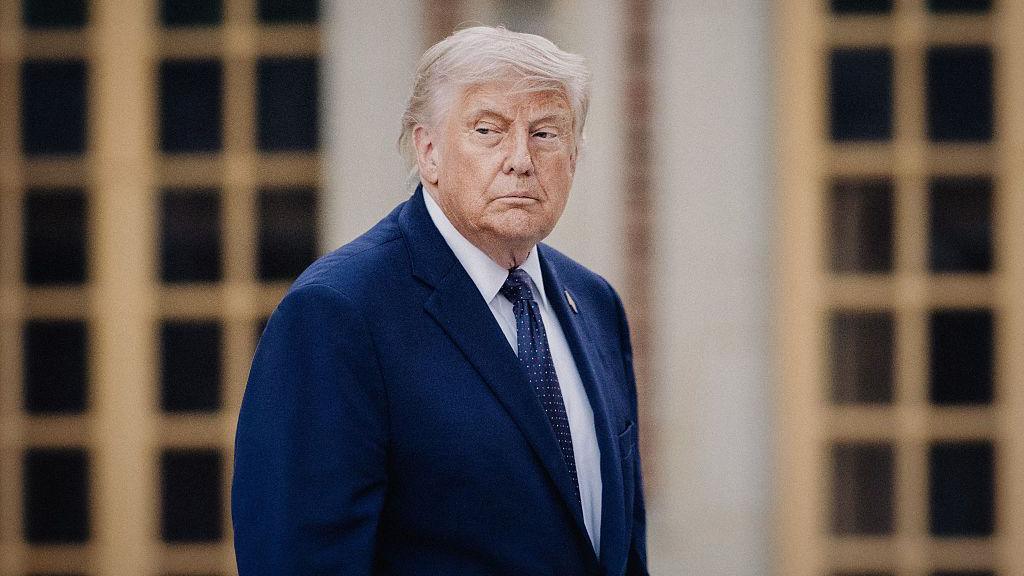
The attacks led to a spike in energy prices, and US President Donald Trump later posted he had not known about them in advance. The fallout has raised questions over how united Israel and the US remain in their war aims.
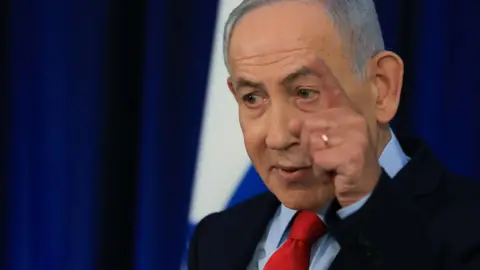
Speaking at a news conference on Thursday, Netanyahu announced that Trump requested there be no further attacks on energy targets. Earlier, three unnamed Israeli officials claimed the attack on South Pars had been coordinated with the US, although they were not surprised by Trump's reaction. Netanyahu denied allegations that Israel had misled the US into the war, asserting, 'No one can tell the US what to do.'
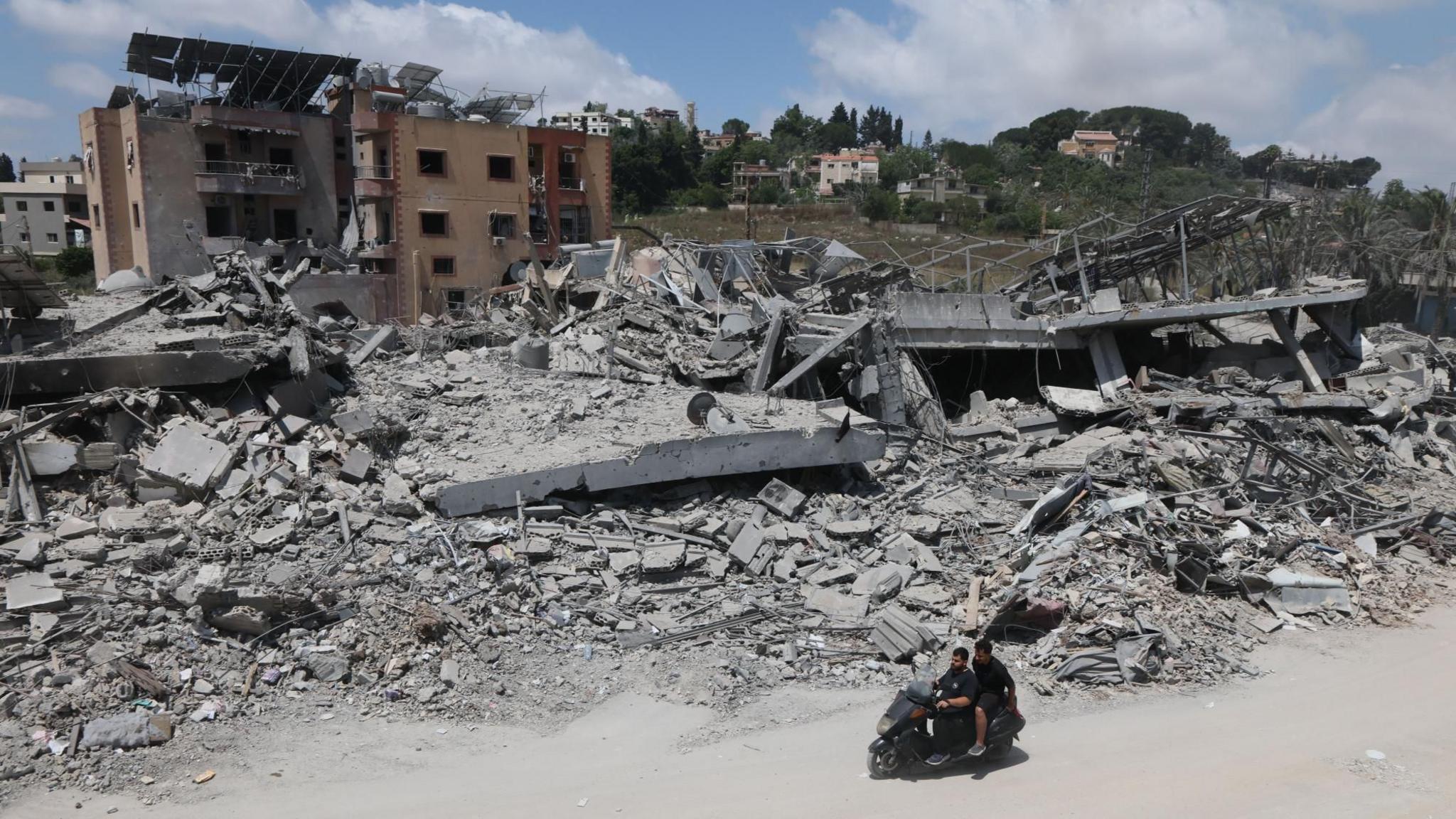
The military actions represent a significant escalation in the conflict initiated by the US and Israel against Iran, which has already begun restricting shipping through the crucial Strait of Hormuz. This strait serves as a vital passage for global oil transportation.
In response to Iran's retaliatory strikes, Qatar's Prime Minister condemned the attacks, warning of significant repercussions on global energy supplies. Iran's Foreign Minister stated that Iran would exert 'zero restraint' against any further strikes. Furthermore, the tension escalated further with footage emerging of an Iranian missile attack on an Israeli oil refinery in Haifa, although damage was described as 'localized and not significant.'
Netanyahu has insisted that Israel is damaging Iran's military capabilities and has targeted its navy, yet he emphasized that it is ultimately the Iranian people's responsibility to lead any change within their regime.
The attacks led to a spike in energy prices, and US President Donald Trump later posted he had not known about them in advance. The fallout has raised questions over how united Israel and the US remain in their war aims.
Speaking at a news conference on Thursday, Netanyahu announced that Trump requested there be no further attacks on energy targets. Earlier, three unnamed Israeli officials claimed the attack on South Pars had been coordinated with the US, although they were not surprised by Trump's reaction. Netanyahu denied allegations that Israel had misled the US into the war, asserting, 'No one can tell the US what to do.'
The military actions represent a significant escalation in the conflict initiated by the US and Israel against Iran, which has already begun restricting shipping through the crucial Strait of Hormuz. This strait serves as a vital passage for global oil transportation.
In response to Iran's retaliatory strikes, Qatar's Prime Minister condemned the attacks, warning of significant repercussions on global energy supplies. Iran's Foreign Minister stated that Iran would exert 'zero restraint' against any further strikes. Furthermore, the tension escalated further with footage emerging of an Iranian missile attack on an Israeli oil refinery in Haifa, although damage was described as 'localized and not significant.'
Netanyahu has insisted that Israel is damaging Iran's military capabilities and has targeted its navy, yet he emphasized that it is ultimately the Iranian people's responsibility to lead any change within their regime.