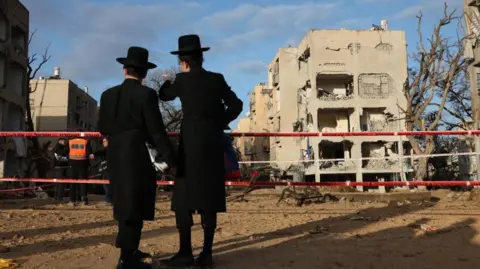
Israel's health ministry confirmed that 180 people were injured, including serious cases, as Iranian missiles struck two southern towns near a nuclear research site. The attack occurred on Saturday evening with significant casualties reported in both Arad (116 injuries) and Dimona (64 injuries).
The International Atomic Energy Agency (IAEA) stated that it is unaware of any damage to the nuclear facility, located approximately 13 kilometers outside Dimona. Iranian state media described the missile strikes as retaliation for a recent attack on its Natanz nuclear facility.
In addition to the attacks on Arad and Dimona, emergency services reported at least seven injuries following an Iranian missile strike on Tel Aviv the day after the initial bombardments. Reports indicate that around 400 missiles have been fired at Israel since a US-Israeli operation aimed at Iran on February 28, with 92% of those intercepted, according to the Israeli Air Force.
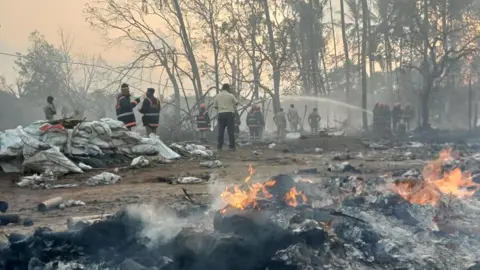
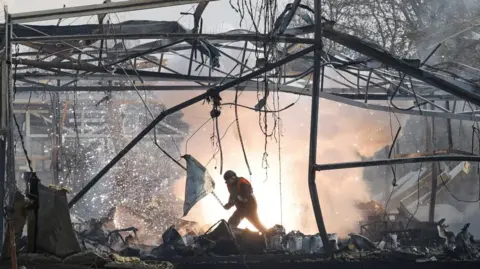
The devastation in Arad included extensive damage to residential buildings, with reports of civilian injuries, particularly among children, from falling debris. Local paramedics recounted witnessing severe injuries in young victims, exacerbating concerns about civilian safety amid ongoing conflict.
The Israeli Prime Minister and President visited the impacted areas, underscoring the gravity of the situation. Despite these attacks, historical patterns indicate that such events may fortify Israel's public resolve in the face of aggression, rather than diminish it.
Investigations are underway to determine how the Iranian missile strikes evaded Israeli air defenses, further complicating the regional security landscape, especially concerning Israel's nuclear assets.