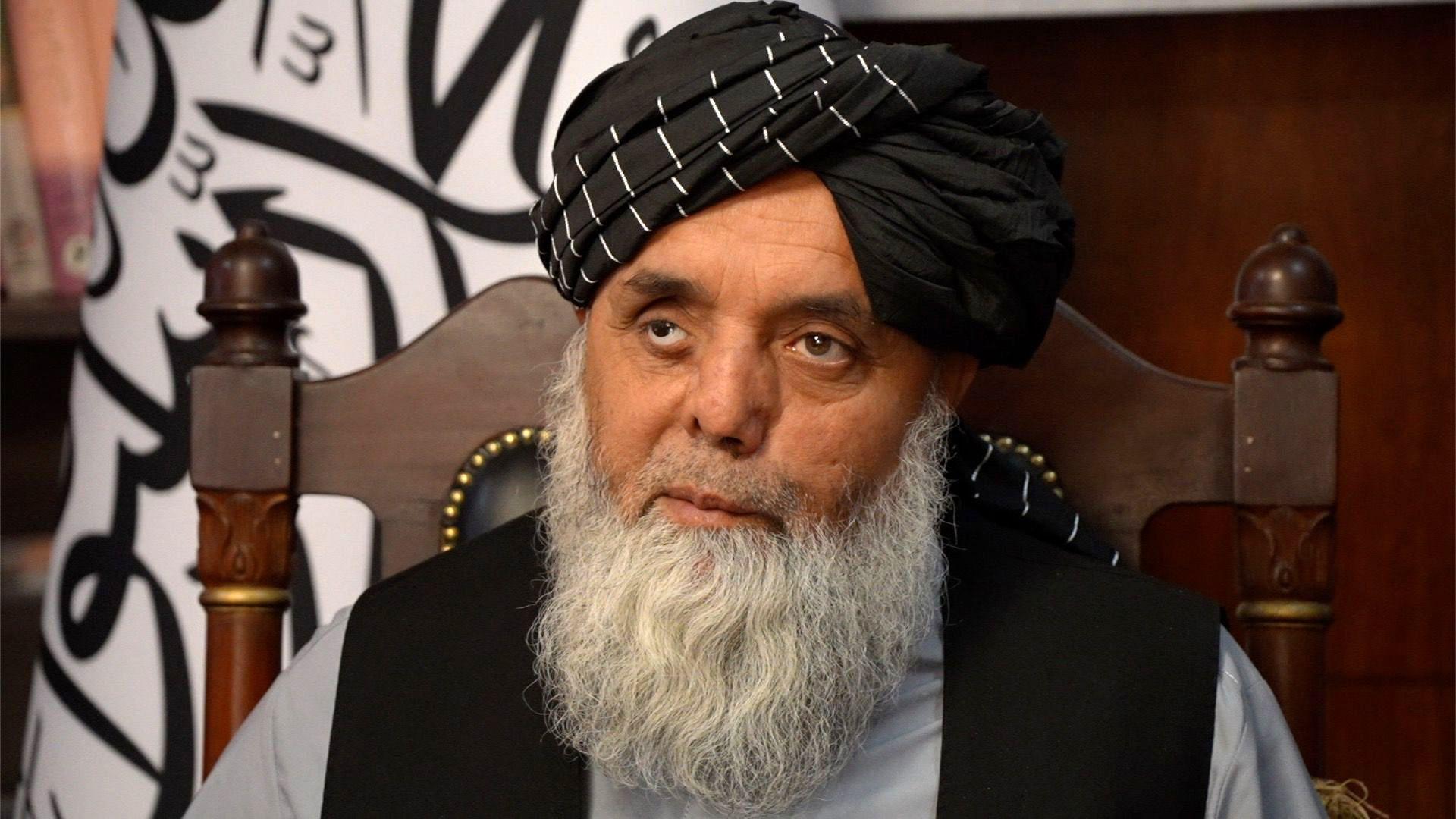
Five years after the Taliban took Afghanistan back, life inside its capital and provinces still echoes the hard‑line Sharia of the 1990s. In the northern city of Sheberghan, former Taliban commander Abdullah Sarhadi now serves as governor and keeps the regime’s iron grip visible.
On a recent visit, Sarhadi handed a boy’s broken arm treatment money and later opened his office to a candlelit discussion with a young woman who sought divorce from an abusive husband. She, veiled and her face obscured by sunglasses, declared she no longer wished to stay in the marriage. He, surrounded by male bodyguards and officials, dismissed her plea and described women as "mindless" and "deficient in intellect", a comment met with laughter. The governor then warned the woman that if she threatened to divorce, she would jeopardise her safety; he also cautioned men not to beat her or face jail.
When Sarhadi was asked why smartphones were now banned for officials, he said the restriction slowed correspondence and that a future ban would "cause trouble" if mentioned. The smartphone ban is a clear sign that the Taliban still cling to strict controls over communication even as it exhibits a veneer of modernity.
In other parts of Afghanistan, former insurgent fighters now hold office or guard checkpoints. A former suicide‑attack planner, Habibullah Badr, drove the BBC through capital streets and spoke reluctant about past violence, warning that discussing civilian attacks could "reopen wounds". He told the reporters the Taliban aimed mainly at foreign convoys, urging civilians to keep far from foreign bases.
The regime’s narrative, shared by the spokesperson Tahir Shah Seddiqi (publicly revealed as Zabihullah Mujahid), is centered on a Sharia‑based vision while pledging women can work or study within that framework. His comments indicate that women’s working rights are framed as inseparable from morality, and that any deviation from government‑approved media or speech is strictly forbidden.
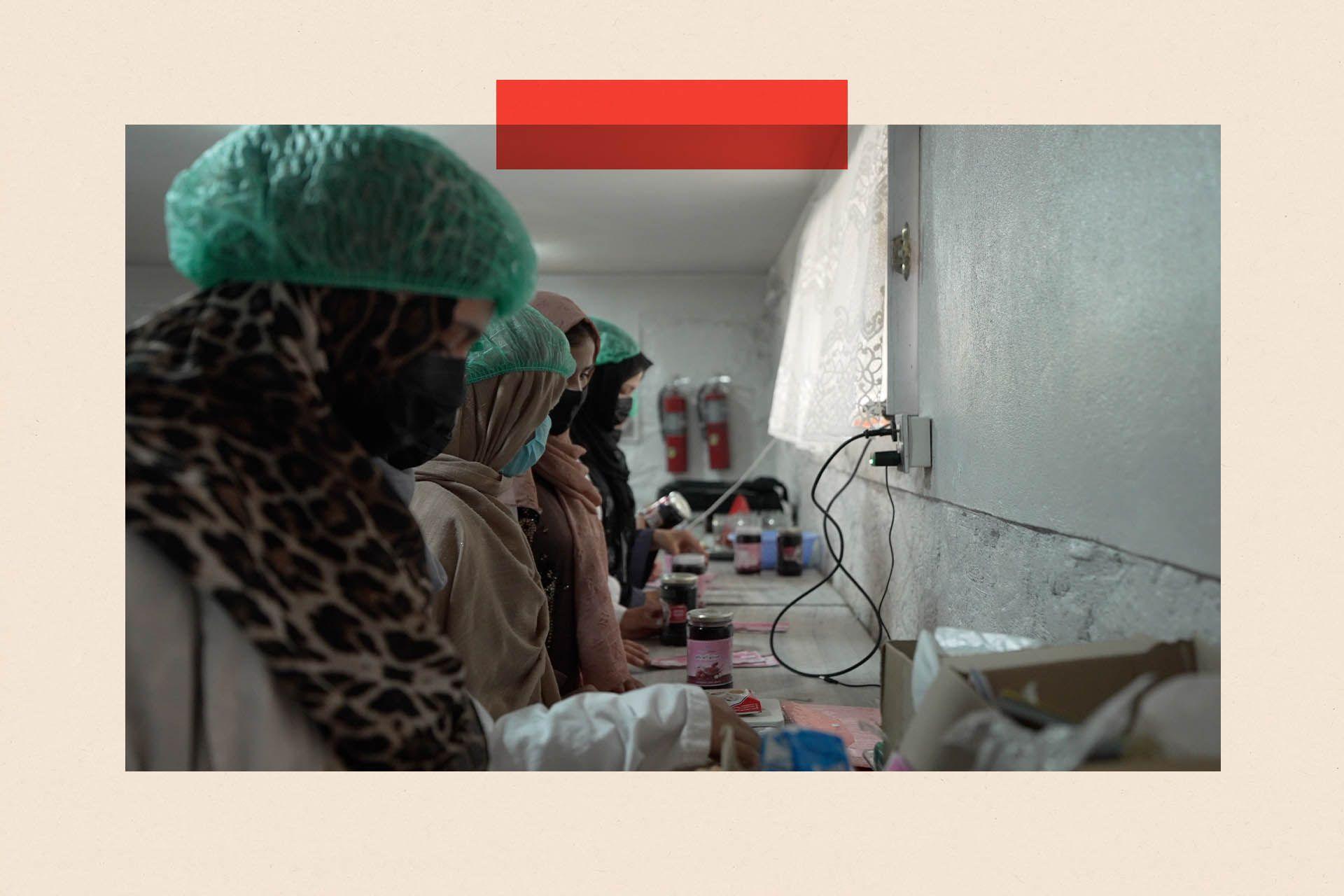
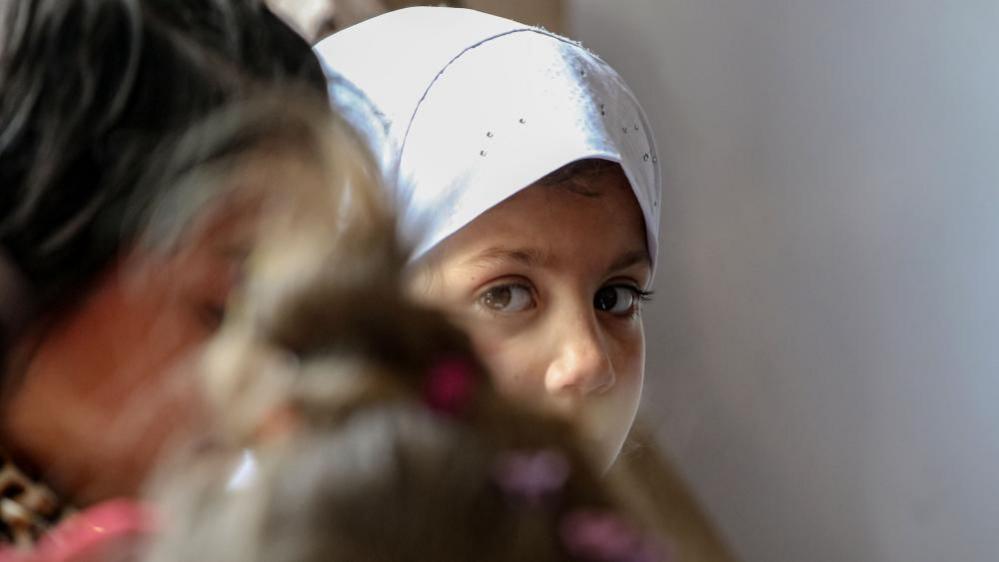
Despite these statements, Afghan women describe living in a state of despair. A protester, Hoda, called the Taliban "scared of educated women" and resigned, that the group prefers a largely uneducated female population to forestall challenges to its rule. Humanitarian reports point to widespread poverty, unemployment and lack of basic services across the country, with the Taliban’s ruling structure seen by many as a main contributor to the crisis.
Through these encounters the BBC gains a rare view into the everyday reality of Afghanistan under Taliban rule – a blend of incremental policy claims and the persistent, forceful enforcement of restrictive social norms.